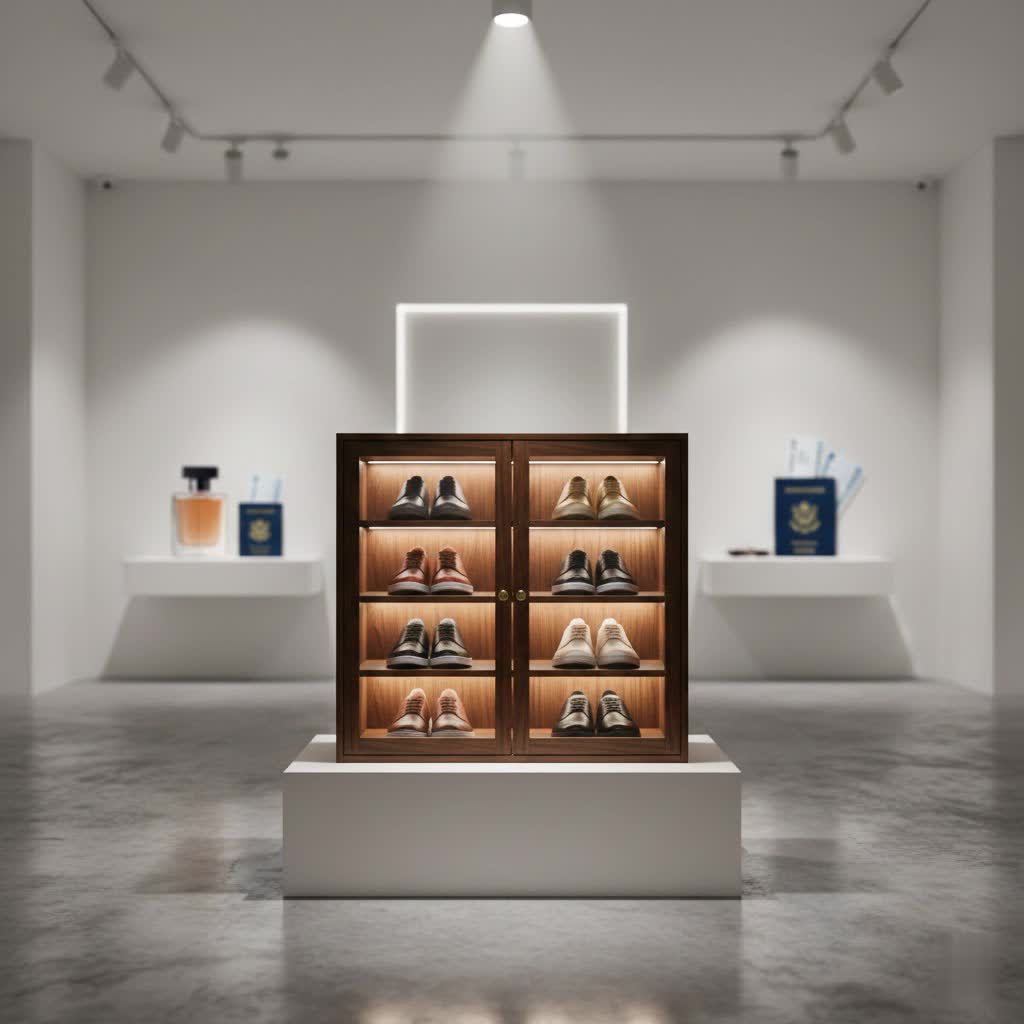
Stepping into a cluttered entryway can instantly diminish the welcoming feel of your home, and few things contribute to this more than a pile of disorganized shoes. For those living in apartments, smaller homes, or simply dealing with tight hallways, finding an effective shoe storage solution is not just about tidiness—it’s about reclaiming precious square footage and maintaining a serene living environment. A Narrow Shoe Storage Cabinet is precisely engineered to tackle this challenge, offering a sleek, discreet, and highly functional way to organize your footwear without sacrificing valuable space or style. This guide will walk you through everything you need to know to choose the perfect slim cabinet that blends seamlessly into your home, transforming chaos into calm.
The Essential Role of Narrow Shoe Storage Cabinets in Small Spaces
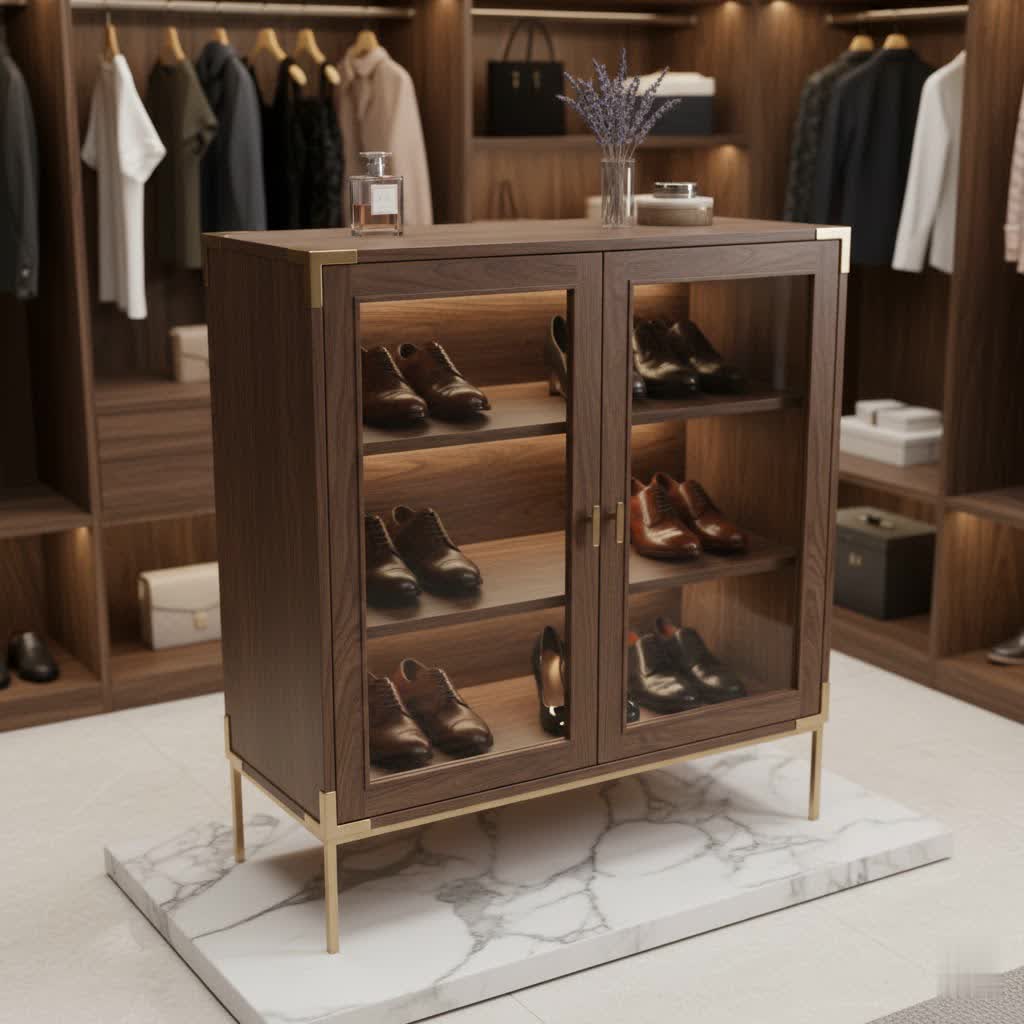
In today’s urbanized world, where living spaces are often compact, every inch counts. This is where the brilliance of a narrow shoe storage cabinet shines. These specialized units are designed with a shallow depth, typically under 12 inches, allowing them to fit comfortably in tight entryways, narrow hallways, behind doors, or in small bedroom corners where traditional furniture would be impractical. They address the common dilemma of keeping shoes tidy and accessible without creating visual clutter or obstructing walkways. By embracing verticality and clever design, these cabinets ensure that your extensive shoe collection remains out of sight but readily available, making your home feel more spacious and organized.
Popular Types of Narrow Shoe Storage Cabinets
When considering a narrow shoe storage cabinet, you’ll discover a variety of designs, each with unique advantages for specific needs and spaces. Understanding these types is the first step toward finding your ideal storage solution.
Flip-Down/Tilt-Out Cabinets
These are perhaps the most popular choice for truly narrow spaces. Flip-down cabinets feature compartments that tilt open, allowing shoes to be stored vertically or at an angle.
- Advantages: Exceptionally slim profile (some as shallow as 7 inches), hidden storage keeps clutter out of sight, modern and minimalist aesthetic.
- Disadvantages: May not accommodate larger shoes like boots or high-tops easily, can have limited capacity per drawer, and assembly can sometimes be tricky.
- Best For: Ultra-narrow entryways, apartments, and those prioritizing a clean, uncluttered look.
|
Our Picks for the Best Shoe Cabinet in 2026
We may earn a commission when you use one of our links to make a purchase.
|
||
| Num | Product | Action |
|---|---|---|
| 1 | Farmhouse Shoe Cabinet with 2 Barn Doors & Wood Legs, 5-Tier Shoe Storage Cabinet with 3 Adjustable Shelves, Tall Shoe Rack Organizer for Closet, Shoe Organizer for Entryway, Hallway, White |

|
| 2 | EOYUTLLY Shoe Cabinet for Entryway with 2 Flip Drawers,Narrow Wooden Shoe Storage Cabinet with Metal Legs,Hold 24 Pairs, 4-Tier Adjustable Shelves–Freestanding Hidden Shoe Organizer for Hallway, Foyer |
|
| 3 | Shoe Cabinet Storage,Modern Freestanding Organizer with 2 Flip Drawers,Narrow Shoe Rack Cabinet for Entryway,Walnut |
|
| 4 | 32" W Farmhouse Shoe Storage Cabinet with 2 Flip Drawers and Barn Door Design, Adjustable Shelves, Modern Hidden Slim Narrow Shoe Rack Cabinet for Entryway, Foyer, Hallway, Living Room, Blue |
|
| 5 | 32" W Farmhouse Shoe Storage Cabinet with 2 Flip Drawers and Barn Door Design, Adjustable Shelves, Modern Hidden Slim Narrow Shoe Rack Cabinet for Entryway, Foyer, Hallway, Living Room, White |
|
| 6 | HOOBRO Shoe Cabinet, 5-Tier Shoe Storage Organizer with Doors, Wooden Shoe Cabinet Storage for Entryway, Freestanding Shoe Rack Cabinet with 3 Adjustable Shelves for Hallway, Gold and Black DB41SC01 |
|
| 7 | 32" W Farmhouse Shoe Storage Cabinet with 2 Flip Drawers and Barn Door Design, Adjustable Shelves, Modern Hidden Slim Narrow Shoe Rack Cabinet for Entryway, Foyer, Hallway, Living Room, BS40A |
|
| 8 | Collapsible Shoe Rack Organizer 9 Tiers-36 Pairs Foldable Shoe Cabinet with Doors, Large Plastic Folding Shoe Cabinet, Easy Assembly Shoe Shelves Organizer for Entryway, Living Room |
|
| 9 | 32" W Farmhouse Shoe Storage Cabinet with 2 Flip Drawers and Barn Door Design, Adjustable Shelves, Hidden Slim Narrow Shoe Rack Cabinet for Entryway, Foyer, Hallway, Living Room, Rustic Walnut |
|
| 10 | HOOBRO Shoe Cabinet, 5-Tier Shoe Storage Organizer with Doors, Wooden Shoe Cabinet Storage for Entryway, Freestanding Shoe Rack Cabinet with 3 Adjustable Shelves for Hallway, Gold and White DW41SC01 |
|
Vertical Shoe Racks/Towers
These cabinets maximize vertical space, often featuring multiple open or closed shelves stacked high.
- Advantages: High storage capacity, easy visibility and access (for open shelves), can be very stable when anchored.
- Disadvantages: Open designs may allow dust accumulation and visible clutter, can appear bulky if not well-integrated.
- Best For: Entryways with ample vertical space but limited width, closets, or utility rooms where aesthetics are less critical than capacity.
Shoe Storage Benches
Combining seating with storage, these benches are often slimmer than traditional benches and provide a convenient spot to sit while putting on or taking off shoes.
- Advantages: Dual functionality (seating + storage), ideal for entryways, can feature hidden compartments or open shelves.
- Disadvantages: Generally wider than pure cabinets, may not fit in extremely narrow areas.
- Best For: Larger entryways that can accommodate a bit more width, adding functional decor.
Wall-Mounted Options
These cabinets attach directly to the wall, leaving the floor space clear.
- Advantages: Frees up floor space, creating an airy and expansive feel; excellent for cleaning under the unit; very sleek and modern.
- Disadvantages: Requires secure installation, typically offers less storage capacity, not ideal for renters due to wall damage.
- Best For: Minimalist homes, extremely small entryways where every square inch of floor space is critical.
Comparing Materials: Finding Your Perfect Match
The material of your narrow shoe storage cabinet significantly impacts its durability, appearance, and suitability for different environments. Consider the aesthetic you desire, your budget, and the practical demands of your home when making your choice.
Wood (Solid & Engineered)
- Solid Wood: Offers classic elegance, superior durability, and a natural texture. It’s a long-term investment that integrates well with traditional or rustic decor. However, it’s typically more expensive, heavier, and requires maintenance to prevent scratches and moisture damage.
- Engineered Wood (MDF/Particle Board): A cost-effective alternative, engineered wood is versatile, smooth, and easily painted or laminated to achieve various finishes, including modern white or black looks. It’s lighter and easier to assemble but is less durable and highly susceptible to moisture damage.
Metal
- Advantages: Exceptional durability, sturdiness, and a modern, industrial appeal. Metal cabinets or racks are excellent for resisting moisture from wet or muddy shoes and are easy to clean.
- Disadvantages: Can be prone to rust if not properly coated (e.g., powder-coated), and the aesthetic might not suit all interior styles.
- Best For: Contemporary homes, areas exposed to moisture, or those seeking a minimalist, sturdy option.
Plastic
- Advantages: Highly affordable, waterproof, and extremely easy to clean. Plastic shoe organizers are lightweight and can be very practical for utilitarian spaces.
- Disadvantages: Often less aesthetically pleasing, can lack the sophisticated look of other materials, and generally has lower durability.
- Best For: Budget-conscious buyers, utility rooms, garages, or children’s rooms where practicality and easy cleaning are paramount.
Rattan/Bamboo
- Advantages: Environmentally friendly (especially bamboo), offers a natural, organic, and trendy aesthetic. Rattan often appears in flip-drawer designs, adding texture and warmth.
- Disadvantages: Durability can vary, and both materials might require more careful cleaning.
- Best For: Bohemian, coastal, or Japandi-inspired interiors, adding a touch of nature and unique texture.
Here’s a quick comparison to help you weigh your options:
| Tiêu Chí | Tủ Giày Gỗ (Solid) | Tủ Giày Gỗ (Engineered) | Tủ Giày Kim Loại | Tủ Giày Nhựa |
|---|---|---|---|---|
| Giá thành | Cao | Rẻ – Trung bình | Trung bình | Rất rẻ |
| Độ bền | Rất cao | Trung bình | Cao | Thấp |
| Khả năng chống nước | Kém (cần xử lý) | Kém | Trung bình (nếu sơn tĩnh điện) | Tốt |
| Mẫu mã | Cổ điển, sang trọng | Đa dạng, hiện đại | Hiện đại, industrial | Hạn chế, đơn giản |
| Phong cách | Cổ điển, tân cổ điển | Hiện đại, tối giản | Industrial, minimalist | Đơn giản, thực dụng |
Buying Guide: How to Choose the Right Narrow Shoe Cabinet
Selecting the perfect narrow shoe storage cabinet involves a thoughtful balance of personal needs, practical considerations, and aesthetic preferences. Here’s a comprehensive guide to help you make an informed decision:
1. Xác Định Nhu Cầu Sử Dụng (Assess Your Needs)
Start by evaluating your specific requirements. How many pairs of shoes do you need to store? Consider everyday footwear, seasonal items, and special occasion shoes. Measure the exact dimensions of the space where the cabinet will go, paying close attention to both width and depth. Also, think about the overall style of your home’s interior—do you want the cabinet to blend in or be a statement piece?
- For instance, a bustling family of four will have vastly different storage needs than a single individual.
2. Lựa Chọn Chất Liệu (Material Matters)
As explored earlier, the material dictates durability, maintenance, and style.
- Prioritize materials that are durable and suitable for your environment. If the cabinet is near a doorway where wet shoes might be placed, opt for water-resistant options like metal or certain treated engineered woods.
- Consider the aesthetic: solid wood for a timeless look, engineered wood for modern versatility, metal for an industrial edge, or rattan for natural warmth.
3. Kiểu Dáng và Kích Thước (Design and Functionality)
The design goes beyond just looks; it impacts usability and capacity.
- Depth is crucial: For narrow spaces, look for cabinets with a depth of under 12 inches; some can be as slim as 7 inches.
- Storage mechanism: Flip-down drawers are excellent for minimal depth, while vertical shelving maximizes height.
- Adjustable shelves: Essential for accommodating different shoe heights, from flats to boots.
- Ventilation: Look for features like cutouts or slatted designs to prevent odor and mold buildup, particularly important for frequently worn shoes.
- Multi-functional elements: Some cabinets offer integrated benches, mirrors, or hooks for keys and umbrellas, providing added utility in a compact design.
4. Giá Cả và Thương Hiệu (Budget and Brand)
Your budget will influence the materials and features available.
- Research and compare prices from multiple retailers to find the best value. Remember that a higher price often correlates with better materials and craftsmanship.
- Read customer reviews and choose reputable brands known for quality and good customer service. A reliable brand can save you headaches in the long run, especially regarding assembly and durability.
“A well-chosen narrow shoe cabinet is more than just storage; it’s a strategic design element that respects your space and enhances your daily routine.” – Sarah Lee, Interior Design Consultant
Trending Narrow Shoe Cabinet Designs for Modern Homes
Modern interior design emphasizes functionality, clean lines, and smart space utilization. Narrow shoe cabinets are evolving to meet these trends, offering stylish solutions that integrate seamlessly into contemporary living.
Tủ Giày Thông Minh (Smart & Sleek Designs)
Today’s popular narrow cabinets often boast minimalist aesthetics with clean, unfussy lines and hidden hardware. They come in neutral colors like white, grey, or natural wood finishes that blend effortlessly into various decor schemes. Many feature smooth, handle-less fronts or subtle knobs, contributing to a streamlined, almost invisible appearance in your hallway. Designs often prioritize subtle elegance that complements rather than competes with your existing decor.
Tủ Giày Treo Tường (Wall-Mounted Innovations)
As floor space becomes increasingly precious, wall-mounted narrow shoe cabinets are gaining traction. These designs lift the storage off the ground, creating a visually lighter, more spacious feel. They are perfect for maximizing vertical space and making cleaning the floor underneath a breeze. Often appearing as floating shelves or sleek, enclosed units, they contribute to a modern, airy ambiance.
Tủ Giày Đa Năng (Multi-functional & Integrated)
The most innovative narrow shoe cabinets are those that do more than just store shoes. Expect to find models that incorporate:
- Integrated Mirrors: A full-length mirror attached to the cabinet door is perfect for last-minute outfit checks and can visually expand a small entryway.
- Seating Areas: Small, narrow benches with hidden or open shoe storage underneath provide a convenient spot to sit while preparing to leave or arrive.
- Hooks and Shelves: Some units feature coat hooks, umbrella stands, or small top shelves for keys, mail, or decorative items, centralizing all entryway essentials.
- Rattan Accents: Adding a touch of natural texture, rattan panels on flip-down drawers are a stylish trend, bringing warmth and a hint of bohemian or natural design into modern spaces.
Conclusion
Choosing the right narrow shoe storage cabinet is a transformative step towards a more organized and aesthetically pleasing home. By understanding the diverse types, materials, and features available, you can select a solution that not only tackles shoe clutter but also enhances the overall design of your compact spaces. Whether you opt for a sleek flip-down unit in engineered wood, a sturdy metal rack, or a multi-functional bench with rattan accents, the perfect narrow shoe cabinet awaits to bring harmony to your entryway and beyond. Don’t let limited space limit your style or your sanity. Invest in smart storage, and enjoy the lasting impact of a clutter-free home. What kind of narrow shoe storage cabinet will best unlock the potential of your small space?
Câu Hỏi Thường Gặp (Frequently Asked Questions)
Nên chọn tủ giày chất liệu gì cho nhà chung cư? (What material should I choose for a shoe cabinet in an apartment?)
For apartments, engineered wood (MDF) is a popular choice due to its affordability, versatility in style, and lighter weight, making it easier to assemble and move. If moisture is a concern near the entrance, consider metal for its durability and resistance to wet shoes. Solid wood offers longevity and elegance but might be heavier and pricier for apartment living.
How deep should a narrow shoe cabinet be for a hallway?
Ideally, a narrow shoe cabinet for a hallway should have a depth of 7 to 12 inches (18 to 30 cm) to ensure it doesn’t obstruct the walkway. Many popular flip-down designs are specifically engineered to stay within this slim profile, allowing for comfortable passage while offering efficient shoe storage.
Can narrow shoe cabinets fit boots?
It depends on the specific design. Traditional flip-down narrow cabinets may struggle with tall boots due to their angled compartments. However, some vertical narrow cabinets with adjustable shelves or specific boot compartments are available. Always check the internal dimensions and shelf adjustability if you plan to store boots.
Are narrow shoe cabinets easy to assemble?
Assembly difficulty varies significantly by brand and design. Many engineered wood or metal flat-pack options come with clear instructions and necessary hardware. Reading customer reviews often provides insights into the ease of assembly for a particular model, as some units may require more time or tools.
How do I prevent odor in a closed narrow shoe cabinet?
To prevent odors, look for cabinets with ventilation holes or slatted designs. Additionally, ensure shoes are dry before storing them. You can also use moisture absorbers, cedar blocks, or activated charcoal packets inside the cabinet to manage humidity and keep shoes fresh. Regular cleaning of the cabinet interior is also recommended.