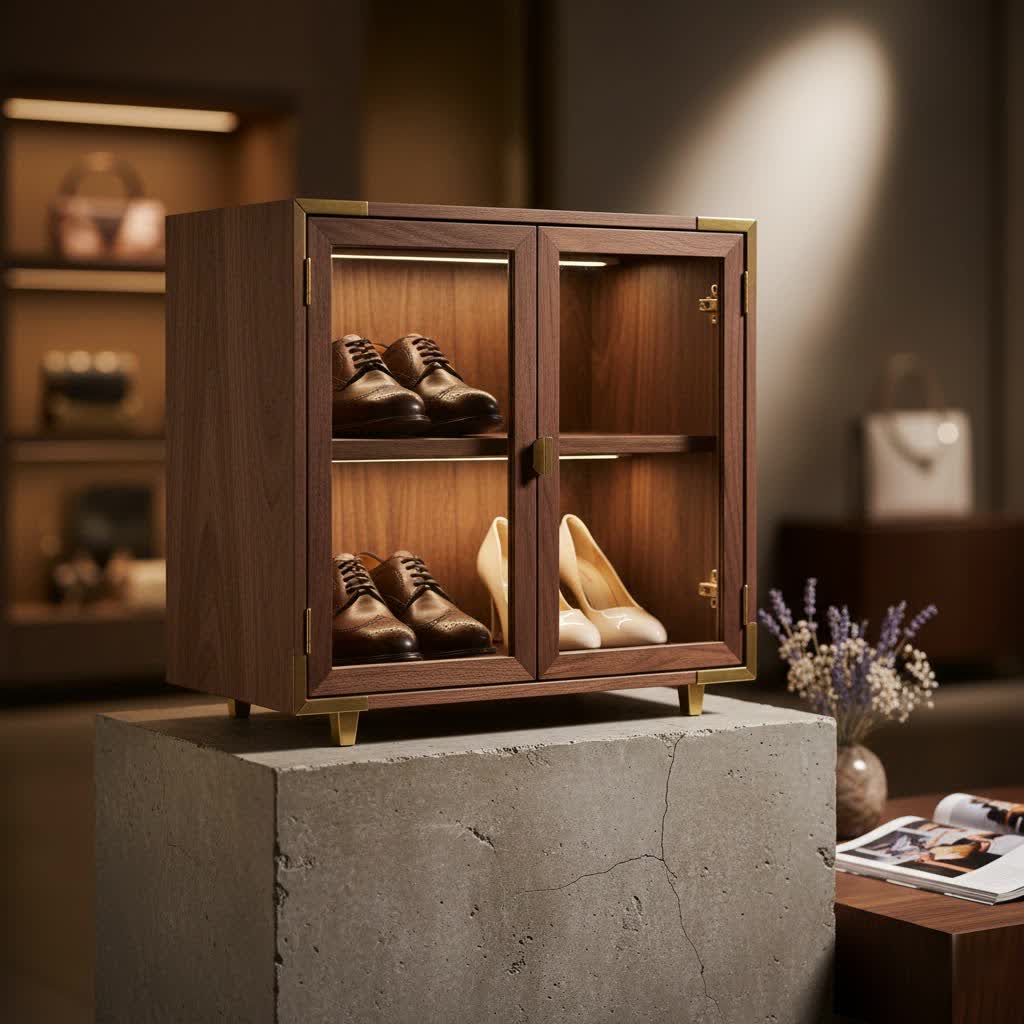
A narrow shoe cabinet is an indispensable ally for compact spaces, offering a clever solution to keep footwear tidy, accessible, and elegantly concealed without sacrificing precious floor space. These specialized cabinets are designed to be slim, maximizing vertical storage while occupying minimal floor area, typically less than 12-14 inches deep. Choosing the right one enhances your home’s flow and aesthetic by transforming cluttered entryways into organized, welcoming spaces.
Popular Types of Narrow Shoe Cabinets
When selecting a narrow shoe cabinet, understanding the different types and their unique benefits is key to finding the perfect fit for your home.
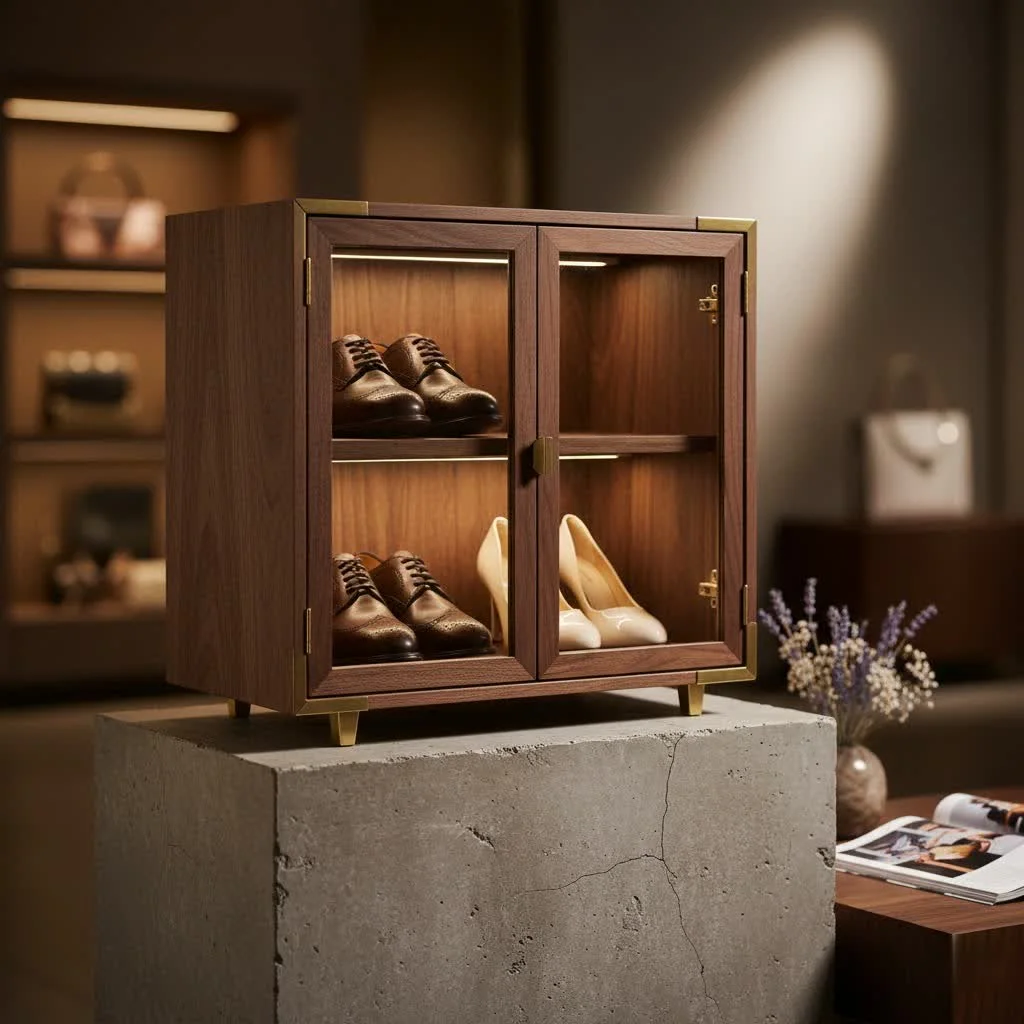
Wooden Narrow Shoe Cabinets
- Advantages: Wooden narrow shoe cabinets, often crafted from solid wood, engineered wood, or MDF, exude timeless elegance and offer excellent durability. They come in a vast array of finishes and styles, from classic to contemporary, allowing them to seamlessly integrate with diverse interior designs. They provide a sturdy structure that can last for years.
- Disadvantages: Higher price point compared to other materials. Without proper treatment, some wood types can be susceptible to moisture damage or pests.
- Best for: Homes with traditional or transitional decor, those prioritizing longevity and aesthetic appeal.
Plastic Narrow Shoe Cabinets
- Advantages: Plastic options are typically the most budget-friendly, making them a great choice for renters or those on a tight budget. They are lightweight, often water-resistant, and incredibly easy to clean, making them practical for areas prone to dirt or moisture.
- Disadvantages: Generally less durable and sturdy than wood or metal, with more limited design choices. They may not offer the same sophisticated look.
- Best for: Small apartments, utility rooms, or areas where cost-effectiveness and easy maintenance are primary concerns.
Metal Narrow Shoe Cabinets
- Advantages: Metal narrow shoe cabinets boast exceptional sturdiness and durability, often featuring a sleek, modern, or industrial aesthetic. They are resistant to pests and, if properly coated (e.g., powder-coated), can offer good protection against rust, making them very long-lasting. Many designs incorporate open slatting or ventilation for air circulation.
- Disadvantages: Can be heavier than plastic options and may be prone to rust if not treated with a protective finish. Design versatility might be less than wood.
- Best for: Contemporary, industrial, or minimalist interiors, and spaces requiring robust storage.
Flip-Drawer Narrow Shoe Cabinets
- Advantages: These cabinets are a major upgrade for extremely narrow spaces. Their ingenious flip-down or pull-out drawer mechanism allows shoes to be stored vertically or at an angle, consuming minimal depth. They keep shoes completely hidden, contributing to a clean, uncluttered look.
- Disadvantages: May not accommodate larger shoes, boots, or high heels without adjusting internal dividers or removing them. Capacity per drawer can be limited.
- Best for: Ultra-slim entryways, tight hallways, or discreet storage where depth is severely restricted.
Vertical/Tall Narrow Shoe Cabinets
|
Our Picks for the Best Shoe Cabinet in 2026
As an Amazon Associate I earn from qualifying purchases.
|
||
| Num | Product | Action |
|---|---|---|
| 1 | HOOBRO Shoe Cabinet, 5-Tier Shoe Storage Organizer with Doors, Wooden Shoe Cabinet Storage for Entryway, Freestanding Shoe Rack Cabinet with 3 Adjustable Shelves for Hallway, Gold and White DW41SC01 |

|
| 2 | 32" W Farmhouse Shoe Storage Cabinet with 2 Flip Drawers and Barn Door Design, Adjustable Shelves, Hidden Slim Narrow Shoe Rack Cabinet for Entryway, Foyer, Hallway, Living Room, Rustic Walnut |
|
| 3 | 32" W Farmhouse Shoe Storage Cabinet with 2 Flip Drawers and Barn Door Design, Adjustable Shelves, Modern Hidden Slim Narrow Shoe Rack Cabinet for Entryway, Foyer, Hallway, Living Room, BS40A |
|
| 4 | Farmhouse Shoe Cabinet with 2 Barn Doors & Wood Legs, 5-Tier Shoe Storage Cabinet with 3 Adjustable Shelves, Tall Shoe Rack Organizer for Closet, Shoe Organizer for Entryway, Hallway, White |
|
| 5 | EOYUTLLY Shoe Cabinet for Entryway with 2 Flip Drawers,Narrow Wooden Shoe Storage Cabinet with Metal Legs,Hold 24 Pairs, 4-Tier Adjustable Shelves–Freestanding Hidden Shoe Organizer for Hallway, Foyer |
|
| 6 | Collapsible Shoe Rack Organizer 9 Tiers-36 Pairs Foldable Shoe Cabinet with Doors, Large Plastic Folding Shoe Cabinet, Easy Assembly Shoe Shelves Organizer for Entryway, Living Room |
|
| 7 | 32" W Farmhouse Shoe Storage Cabinet with 2 Flip Drawers and Barn Door Design, Adjustable Shelves, Modern Hidden Slim Narrow Shoe Rack Cabinet for Entryway, Foyer, Hallway, Living Room, White |
|
| 8 | 32" W Farmhouse Shoe Storage Cabinet with 2 Flip Drawers and Barn Door Design, Adjustable Shelves, Modern Hidden Slim Narrow Shoe Rack Cabinet for Entryway, Foyer, Hallway, Living Room, Blue |
|
| 9 | Shoe Cabinet Storage,Modern Freestanding Organizer with 2 Flip Drawers,Narrow Shoe Rack Cabinet for Entryway,Walnut |
|
| 10 | HOOBRO Shoe Cabinet, 5-Tier Shoe Storage Organizer with Doors, Wooden Shoe Cabinet Storage for Entryway, Freestanding Shoe Rack Cabinet with 3 Adjustable Shelves for Hallway, Gold and Black DB41SC01 |
|
- Advantages: Specifically designed to utilize vertical space, these cabinets are taller than they are wide or deep. They maximize storage capacity in a small footprint, often featuring multiple shelves or compartments stacked one above the other.
- Disadvantages: Can sometimes feel imposing in very small rooms if not balanced with other decor. Requires secure wall mounting to prevent tipping, especially in homes with children or pets.
- Best for: Areas with high ceilings, limited floor space but ample vertical clearance.
Comparing Narrow Shoe Cabinet Types
Choosing the best narrow shoe cabinet means balancing your budget, aesthetic preferences, and practical needs. Here’s a comparative overview:
| Criterion | Wooden Narrow Shoe Cabinet | Plastic Narrow Shoe Cabinet | Metal Narrow Shoe Cabinet | Flip-Drawer Narrow Shoe Cabinet | Vertical/Tall Narrow Shoe Cabinet |
|---|---|---|---|---|---|
| Price Range | High | Low | Medium | Medium-High | Medium-High |
| Durability | High | Low | High | Medium-High | High |
| Water Resistance | Low (unless treated) | High | Medium (if powder-coated) | Medium | Medium |
| Style Variety | Very High | Low | Medium | Medium | Medium-High |
| Space Efficiency | High (depth varies by design) | Medium | High (depth varies by design) | Very High (minimal depth) | Very High (vertical focus) |
| Aesthetic Appeal | High (classic, modern) | Low (functional) | High (modern, industrial) | High (minimalist, discreet) | High (sleek, grand) |
| Best for | Versatile, long-term investment | Budget-friendly, utility | Modern, robust storage | Ultra-narrow spaces | Maximizing capacity in small area |
How to Choose the Best Narrow Shoe Cabinet (Buying Guide)
Selecting the ideal narrow shoe cabinet requires thoughtful consideration of several factors to ensure it meets your storage needs, fits your space, and complements your home’s style.
1. Define Your Usage Needs
Start by assessing how many pairs of shoes you need to store. Consider the types of footwear—do you mainly have sneakers and flats, or do you also need to accommodate boots, heels, or larger shoe sizes? Measure the exact dimensions of the space where the cabinet will go, paying particular attention to the depth. A truly narrow shoe cabinet should typically be less than 12-14 inches deep to avoid obstructing pathways. Finally, think about your overall interior design style; the cabinet should enhance, not detract from, your existing decor.
2. Select the Right Material
The material choice impacts durability, aesthetics, and maintenance. Solid wood offers classic beauty and strength but may require more care. Engineered wood (MDF, particle board) with laminates or veneers provides a cost-effective alternative with good durability and a wide range of finishes. Metal is excellent for modern, industrial looks and superior ventilation. Plastic is lightweight, water-resistant, and economical, ideal for temporary solutions or humid environments. Bamboo offers an eco-friendly and stylish option, often with natural ventilation.
3. Consider Design and Features
Look for features that enhance functionality and usability. Flip-down drawers are exceptionally space-efficient, tucking shoes away neatly. Adjustable shelves are a must for accommodating different shoe heights, from flats to boots. Proper ventilation (slats, cutouts) is crucial to prevent odors and moisture buildup. Check for sturdy construction and smooth operation of doors or drawers. Some narrow cabinets offer additional features like integrated seating or hooks for keys, adding multi-functionality.
4. Optimize Size and Capacity
The “narrow” aspect is crucial. Ensure the cabinet’s depth is suitable for your narrow space, typically under 12 inches for hallways. While maximizing vertical storage is often necessary, also consider the cabinet’s width and height relative to its surroundings. Don’t just count pairs; consider how specific types of shoes (e.g., men’s size 12, ankle boots) will fit into the compartments. Measure your largest shoes if possible.
5. Budget and Brand Reputation
Establish a budget range. While investing in a durable piece is wise, many affordable, stylish options exist. Research brands known for quality and good customer service. Read reviews to gauge real-world performance regarding assembly ease, durability, and true capacity.
Popular Narrow Shoe Cabinet Designs
Modern narrow shoe cabinets go beyond mere storage, integrating smart features and versatile designs to elevate both function and style in confined areas.
Smart & Space-Saving Designs
These designs focus on ingenious mechanisms to store maximum shoes in minimal depth. Ultra-slim cabinets with depths as little as 7 inches are perfect for the tightest entryways, often featuring multi-tier, flip-down compartments that store shoes at an angle. Some innovative units include rotating carousels or pull-out trays to optimize access and space within a narrow frame. The emphasis is on sleek lines and a minimalist profile that almost disappears against the wall.
Wall-Mounted Narrow Shoe Cabinets
Ideal for maintaining clear floor space, wall-mounted shoe cabinets offer a floating aesthetic that makes a small area feel larger and more open. These are particularly beneficial in entryways where every square foot on the floor is valuable. They can be installed at varying heights to suit your preference and are excellent for keeping your shoe collection off the ground, reducing clutter and making cleaning easier.
Multi-functional Narrow Shoe Cabinets
To truly maximize utility in a small space, many narrow shoe cabinets now come with added functionalities. Options include cabinets with a built-in bench for convenient seating while putting on or taking off shoes, often with hidden storage compartments beneath the seat. Some designs integrate a mirror on the front, serving a practical purpose while visually expanding the space. Others feature a flat top surface that can act as a console table for keys, mail, or decorative items, blending storage with everyday utility.
“A well-chosen narrow shoe cabinet isn’t just a piece of furniture; it’s an intelligent design choice that transforms chaotic entryways into models of organization and style.”
Conclusion
A narrow shoe cabinet is far more than a simple storage unit; it’s a strategic investment in maintaining an organized, welcoming, and stylish home, especially when space is at a premium. By carefully considering your specific needs, exploring different types like wooden, metal, plastic, and innovative flip-drawer designs, and prioritizing features such as adjustable shelves and vertical orientation, you can find a solution that perfectly harmonizes with your lifestyle and decor. The goal is to declutter your entryway, protect your footwear, and enhance the overall aesthetic of your living space with a smart, space-saving narrow shoe cabinet.
What is the biggest challenge you face when organizing shoes in a small living area?
Frequently Asked Questions
What material should I choose for a narrow shoe cabinet in a condominium?
For a condominium, engineered wood (MDF) with a stylish laminate or veneer is an excellent choice. It offers good durability, a wide range of aesthetic options to match modern condo decor, and is often more affordable than solid wood. Metal or rattan designs also offer a contemporary look and good ventilation, which is beneficial in smaller, often shared spaces.
Frequently Asked Questions
What is the ideal depth for a narrow shoe cabinet in a hallway?
The ideal depth for a narrow shoe cabinet in a hallway is typically less than 12-14 inches. This ensures the cabinet does not obstruct pathways, making it suitable for tight entryways and corridors. Ultra-slim cabinets can be as shallow as 7 inches deep, perfect for extremely restricted spaces.
Which narrow shoe cabinet material is most durable for daily use?
Metal and solid wood narrow shoe cabinets are generally the most durable for daily use. Metal cabinets offer exceptional sturdiness and resistance to pests, especially if powder-coated. Solid wood provides timeless elegance and a robust structure that can last for many years with proper care.
Are flip-drawer shoe cabinets suitable for all shoe sizes?
Flip-drawer shoe cabinets are highly space-efficient but may not accommodate all shoe sizes, especially larger shoes, boots, or high heels. Their design stores shoes vertically or at an angle, which can limit internal height. It's advisable to check internal dimensions and consider adjustable dividers if you have varied footwear.
How can a narrow shoe cabinet help prevent odors?
A narrow shoe cabinet can help prevent odors by incorporating proper ventilation features like slats, cutouts, or open designs. Good air circulation is crucial to prevent moisture buildup and keep shoes fresh. Metal cabinets often excel in ventilation, while wooden cabinets may require specific designs to ensure airflow.
What material should I choose for a narrow shoe cabinet in a condominium?
For a condominium, engineered wood (MDF) with a stylish laminate or veneer is an excellent choice. It offers good durability, a wide range of aesthetic options to match modern condo decor, and is often more affordable than solid wood. Metal or rattan designs also offer a contemporary look and good ventilation, which is beneficial in smaller, often shared spaces.
How to Choose the Best Narrow Shoe Cabinet
Selecting the ideal narrow shoe cabinet requires thoughtful consideration of several factors to ensure it meets your storage needs, fits your space, and complements your home's style.
Assess how many pairs of shoes you need to store and the types of footwear, including boots or heels. Measure the exact dimensions of the space, focusing on depth, as a truly narrow cabinet should be less than 12-14 inches deep. Consider your overall interior design style to ensure the cabinet enhances your existing decor.
Choose a material based on durability, aesthetics, and maintenance. Solid wood offers classic beauty, engineered wood provides a cost-effective alternative, and metal is excellent for modern looks and ventilation. Plastic is lightweight and water-resistant, while bamboo offers an eco-friendly option.
Look for features like flip-down drawers for space efficiency and adjustable shelves for varying shoe heights. Proper ventilation (slats, cutouts) is crucial to prevent odors. Check for sturdy construction and consider multi-functional options like integrated seating or hooks.
Ensure the cabinet's depth is suitable for your narrow space, typically under 12 inches for hallways. Maximize vertical storage and consider the cabinet's width and height relative to its surroundings. Measure your largest shoes to ensure they fit comfortably within the compartments.
Set a budget range and research brands known for quality and good customer service. Read reviews to gauge real-world performance regarding assembly ease, durability, and true capacity. Investing in a durable piece is wise, but many affordable, stylish options exist.
Get our weekly buyer guide
Practical specs, not advice. Unsubscribe anytime.

This type of cabinet is a lifesaver for small entryways! I specifically looked for one that was under 14 inches deep, and the one I chose from a local furniture store has transformed our cluttered space. It’s amazing how much more organized and welcoming our home feels now. No more tripping over shoes right when you walk in the door.
We got one of the slim, vertical storage units for our mudroom, and it’s mostly great. It holds a surprising amount of shoes without taking up much floor space, which was our main goal. My only minor complaint is that my husband’s larger boots don’t fit quite as easily, but for regular shoes and sneakers, it’s fantastic. Keeps everything much tidier.
I was really excited about getting a narrow shoe cabinet to help organize our front door area. While it does fit in the tight spot I had in mind, the assembly was a bit more challenging than I expected. The instructions weren’t super clear, and it took longer than I thought it would. Once it was together, it looks decent, but that initial setup was a bit of a pain.
I finally pulled the trigger on a wooden narrow shoe cabinet for our entryway, and it’s been a game-changer! Our small space always felt so cluttered with shoes, but this cabinet is less than 12 inches deep and fits perfectly. It looks really elegant too, much better than the open rack we had before. Definitely recommend for anyone with a tight hallway.