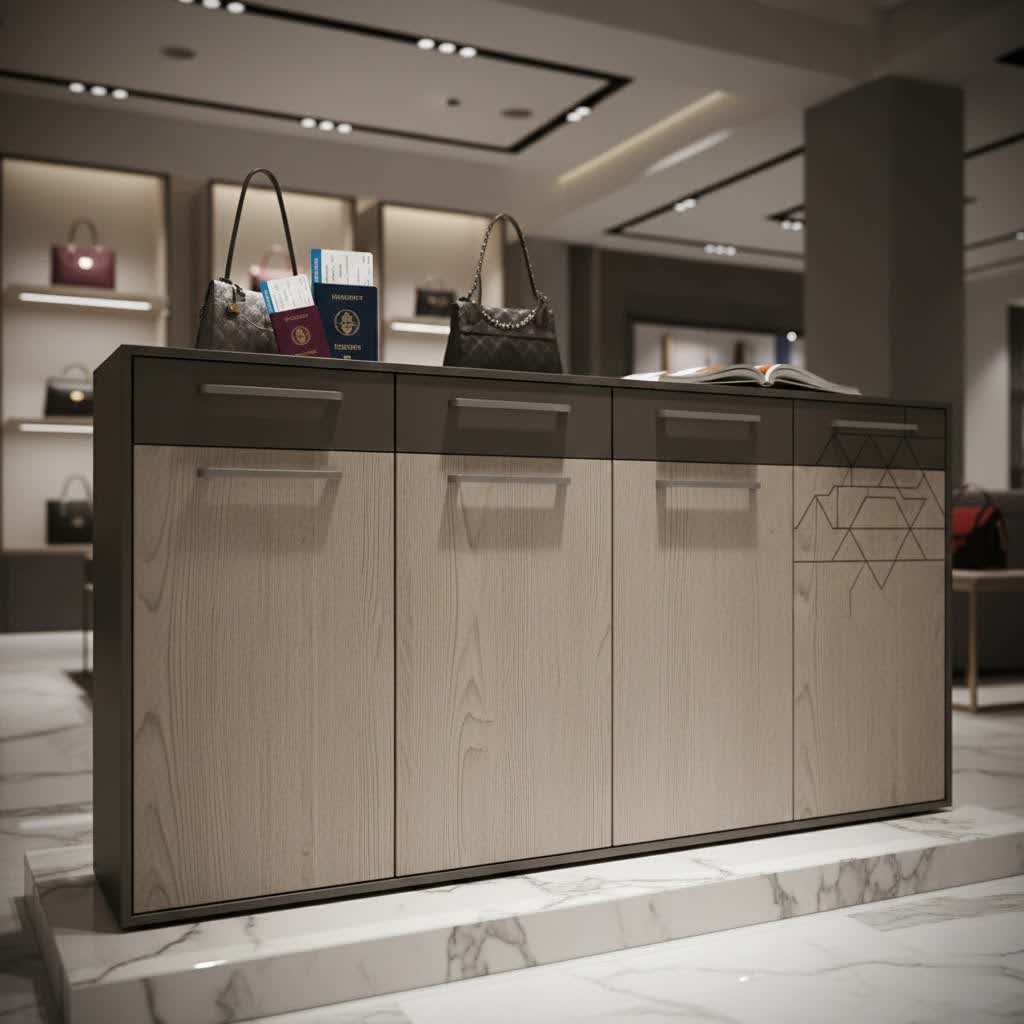
Stepping into a home filled with scattered footwear can instantly disrupt the sense of calm and order. For many, a collection of shoes isn’t just a necessity but a passion, leading to a constant battle against clutter in entryways, hallways, or closets. Finding the perfect big shoe cabinet isn’t just about storage; it’s about reclaiming your space, protecting your investment, and enhancing your home’s aesthetic. This comprehensive guide, informed by years of industry experience, will walk you through everything you need to know to select a large shoe storage solution that truly fits your lifestyle and decor.
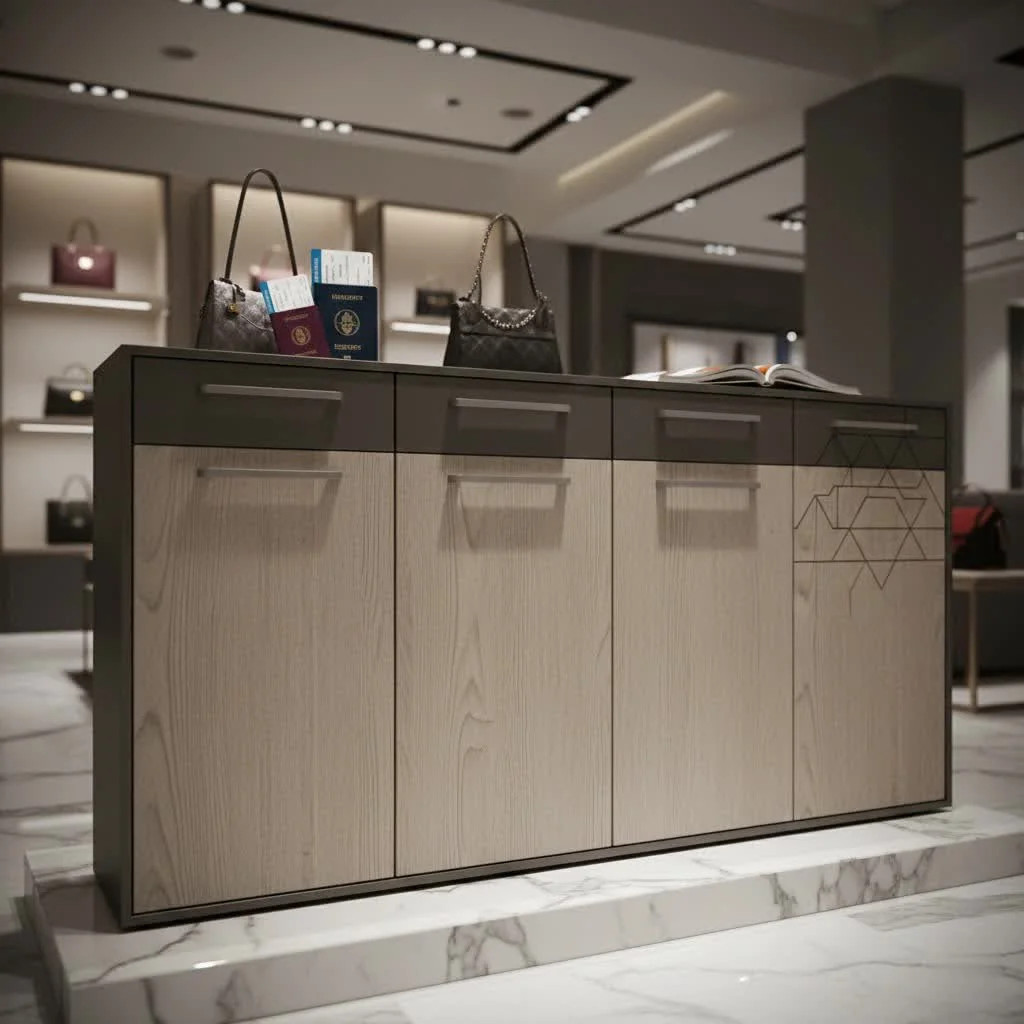
Popular Types of Big Shoe Cabinets
When considering a big shoe cabinet, you’ll discover a variety of types, each offering unique benefits in terms of style, functionality, and space utilization. Understanding these differences is key to making the right choice for your home. For browse all shoe storage articles on this site.
Wooden Shoe Cabinets
Wooden shoe cabinets are timeless, bringing warmth and classic elegance to any space. Crafted from materials like sheesham, teak, mahogany, or oak, they are known for their durability and luxurious appearance. They often feature intricate designs, making them ideal for traditional, classical, or even mid-century modern interiors. While they offer superior aesthetics and longevity, wooden cabinets can be heavier and might require more specific care to protect against moisture and pests.
Engineered Wood Shoe Cabinets
Offering a premium look at a more accessible price point, engineered wood shoe cabinets are a popular alternative. These cabinets come in various finishes like walnut, dark walnut, or white, providing versatility to match diverse decor styles. They are often treated to be pest-resistant and offer good sturdiness, making them a practical and stylish choice for many households.
Metal Shoe Cabinets
For those who prefer a contemporary or industrial aesthetic, metal shoe cabinets are an excellent option. Lightweight yet robust, they boast clean lines and often feature rust-resistant coatings for enhanced longevity. Their sleek design makes them easy to clean and maintain, fitting seamlessly into modern minimalist or industrial-themed homes. However, proper care is essential to prevent potential rusting if the coating is compromised.
Plastic Shoe Cabinets
Plastic shoe cabinets are typically the most budget-friendly option, known for their lightweight nature and excellent water resistance. They are easy to clean and can be a practical choice for humid areas or small, temporary spaces. However, they generally offer less durability and fewer design options compared to wood or metal cabinets, making them more suitable for utility areas rather than prominent living spaces.
Smart and Flip-Drawer Shoe Cabinets
|
Our Picks for the Best Shoe Cabinet in 2026
As an Amazon Associate I earn from qualifying purchases.
|
||
| Num | Product | Action |
|---|---|---|
| 1 | EOYUTLLY Shoe Cabinet for Entryway with 2 Flip Drawers,Narrow Wooden Shoe Storage Cabinet with Metal Legs,Hold 24 Pairs, 4-Tier Adjustable Shelves–Freestanding Hidden Shoe Organizer for Hallway, Foyer |

|
| 2 | 32" W Farmhouse Shoe Storage Cabinet with 2 Flip Drawers and Barn Door Design, Adjustable Shelves, Modern Hidden Slim Narrow Shoe Rack Cabinet for Entryway, Foyer, Hallway, Living Room, White |
|
| 3 | HOOBRO Shoe Cabinet, 5-Tier Shoe Storage Organizer with Doors, Wooden Shoe Cabinet Storage for Entryway, Freestanding Shoe Rack Cabinet with 3 Adjustable Shelves for Hallway, Gold and White DW41SC01 |
|
| 4 | Collapsible Shoe Rack Organizer 9 Tiers-36 Pairs Foldable Shoe Cabinet with Doors, Large Plastic Folding Shoe Cabinet, Easy Assembly Shoe Shelves Organizer for Entryway, Living Room |
|
| 5 | Farmhouse Shoe Cabinet with 2 Barn Doors & Wood Legs, 5-Tier Shoe Storage Cabinet with 3 Adjustable Shelves, Tall Shoe Rack Organizer for Closet, Shoe Organizer for Entryway, Hallway, White |
|
| 6 | Shoe Cabinet Storage,Modern Freestanding Organizer with 2 Flip Drawers,Narrow Shoe Rack Cabinet for Entryway,Walnut |
|
| 7 | 32" W Farmhouse Shoe Storage Cabinet with 2 Flip Drawers and Barn Door Design, Adjustable Shelves, Modern Hidden Slim Narrow Shoe Rack Cabinet for Entryway, Foyer, Hallway, Living Room, Blue |
|
| 8 | 32" W Farmhouse Shoe Storage Cabinet with 2 Flip Drawers and Barn Door Design, Adjustable Shelves, Hidden Slim Narrow Shoe Rack Cabinet for Entryway, Foyer, Hallway, Living Room, Rustic Walnut |
|
| 9 | HOOBRO Shoe Cabinet, 5-Tier Shoe Storage Organizer with Doors, Wooden Shoe Cabinet Storage for Entryway, Freestanding Shoe Rack Cabinet with 3 Adjustable Shelves for Hallway, Gold and Black DB41SC01 |
|
| 10 | 32" W Farmhouse Shoe Storage Cabinet with 2 Flip Drawers and Barn Door Design, Adjustable Shelves, Modern Hidden Slim Narrow Shoe Rack Cabinet for Entryway, Foyer, Hallway, Living Room, BS40A |
|
Designed with ingenious forward-tilting compartments, smart or flip-drawer shoe cabinets are masters of space-saving. Their slim profiles are perfect for narrow hallways and entryways where every inch counts. These modern designs often conceal shoes completely, maintaining a neat and uncluttered look while offering quick access to your footwear.
Wall-Mounted Shoe Cabinets
If floor space is a luxury you can’t afford to spare, a wall-mounted shoe cabinet provides an elegant solution. By utilizing vertical space, these cabinets free up your floor, creating an illusion of greater roominess and facilitating easier cleaning beneath. They are particularly effective in small apartments or entryways, combining functionality with a minimalist aesthetic.
Multi-functional Shoe Cabinets
Beyond just shoe storage, multi-functional cabinets integrate additional features to optimize your living space. Many include comfortable seating benches, allowing you to sit down while putting on or taking off shoes—a convenient addition for entryways. Others might combine shoe compartments with drawers for small items or decorative display areas, truly maximizing utility and style.
Comparing Different Big Shoe Cabinet Types
Choosing the best big shoe cabinet involves weighing various factors. This table offers a quick comparison to help you understand the core differences between common materials and designs.
| Criterion | Wooden Shoe Cabinets | Engineered Wood Shoe Cabinets | Metal Shoe Cabinets | Plastic Shoe Cabinets |
|---|---|---|---|---|
| Price | High | Medium | Medium | Low |
| Durability | Very High | High | High | Low to Medium |
| Water Resist. | Low (requires treatment) | Medium (often treated) | Medium (if coated) | High |
| Style Variety | Classic, Traditional, Rustic | Modern, Contemporary | Industrial, Modern, Minimalist | Basic, Functional |
| Best For | Elegant homes, long-term use | Budget-conscious style, versatility | Modern/Industrial decor, easy clean | Utility, high humidity, temporary |
How to Choose the Right Big Shoe Cabinet (Buying Guide)
Selecting the perfect big shoe cabinet goes beyond just finding a large enough unit. It requires careful consideration of your specific needs, the available space, and your personal style.
Determine Your Usage Needs
Start by assessing your shoe collection. How many pairs do you need to store? Do you have many boots, high heels, or larger-sized shoes that require more vertical or horizontal space? Consider your household size—a single person may need a 6-9 pair capacity, while large families or avid collectors might require units holding 24 or more pairs. Also, think about where the cabinet will be placed; an entryway, mudroom, bedroom, or even a garage each has different demands.
Select the Ideal Material
The material of your shoe cabinet significantly impacts its durability, appearance, and maintenance requirements. Solid wood offers unmatched elegance and longevity but comes at a higher cost and demands more care. Engineered wood provides a cost-effective solution with diverse finishes, blending style with practicality. Metal is a robust, modern choice that is easy to clean, fitting industrial or contemporary themes. For areas prone to moisture, plastic offers excellent water resistance but may lack the aesthetic appeal and sturdiness of other materials.
Consider Style and Size
The design and dimensions of your big shoe cabinet should complement your home’s existing decor and the available space. Measure your intended area carefully, accounting for height, width, and depth, especially if opting for flip-out or door-access cabinets. Choose a style—whether modern minimalist, traditional wooden, industrial metal, or Scandinavian chic—that enhances your home’s aesthetic rather than clashing with it. Ensure the cabinet’s capacity matches the volume of your footwear without overcrowding.
Evaluate Price and Brand
While price is often a primary factor, it’s essential to balance cost with quality and durability. Higher-priced cabinets often reflect superior materials, craftsmanship, and enhanced features like soft-close hinges or custom finishes. Research reputable brands known for quality furniture to ensure your investment stands the test of time. Look for warranties and positive customer reviews to gauge product reliability.
Most Popular Big Shoe Cabinet Models Today
Modern big shoe cabinets are designed to be more than just storage; they are integrated solutions that enhance living spaces. Here are some of the most sought-after designs.
Smart Flip-Out Shoe Cabinets
These cabinets are celebrated for their sleek, space-saving design, making them ideal for narrow entryways and contemporary homes. Their unique flip-out mechanism allows for shoes to be stored vertically within a minimal footprint, keeping them neatly out of sight and maintaining an uncluttered appearance. They offer a perfect blend of modern aesthetics and practical functionality.
Wall-Mounted Shoe Cabinets
For those struggling with limited floor space, wall-mounted shoe cabinets are a revelation. By lifting storage off the ground, they create a sense of openness and make floor cleaning effortless. Available in various designs, from simple floating shelves to enclosed units, they offer a stylish and practical way to manage footwear in compact living areas, contributing to a clean and airy ambiance.
Multi-functional Shoe Cabinets with Seating
Combining storage with comfort, multi-functional shoe cabinets that include a seating bench are incredibly popular, especially for entryways and mudrooms. These units allow for a convenient spot to sit while preparing to leave or arriving home, often featuring cushioned tops for added comfort. Below the seat, they typically offer ample space for shoes, and sometimes extra compartments for umbrellas, keys, or other entryway essentials, truly optimizing the space.
“A well-chosen shoe cabinet doesn’t just store shoes; it transforms an entryway from chaos to calm, reflecting the home’s meticulous care.”
Conclusion
Choosing the right big shoe cabinet is a critical step in maintaining a tidy, hygienic, and aesthetically pleasing home. From the enduring elegance of wooden units to the space-saving ingenuity of flip-out designs and the robust practicality of metal, the options are plentiful. By considering your specific storage needs, preferred materials, design style, and available space, you can find a cabinet that not only organizes your footwear but also enhances your home’s overall decor. Investing in a thoughtfully selected big shoe cabinet means investing in a more organized, stylish, and welcoming environment for years to come.
What kind of big shoe cabinet would best simplify your daily routine and elevate your home’s first impression?
Frequently Asked Questions
Which material is best for a big shoe cabinet?
The best material depends on your priorities. Solid wood offers luxury and strength for a classic look, engineered wood provides affordability and versatility for modern homes, and metal ensures durability with a contemporary edge. Plastic is best for water resistance in utility areas.
How much space should I leave around my shoe cabinet?
For optimal access, maintain at least 2 to 3 feet of clear space in front of the cabinet. Additionally, leave about 6 inches from walls to allow for proper ventilation, especially for closed units, and ensure doors or drawers can open without obstruction.
Can a big shoe cabinet be used in rooms other than the entryway?
Absolutely! While commonly found in entryways, a big shoe cabinet can be effectively placed in bedrooms, walk-in closets, mudrooms, or garages. Choose compact and stylish designs for personal spaces, and larger, more robust units for utility areas.
What is the difference between a tilt-out and a traditional shoe rack?
A tilt-out shoe rack features slim, forward-tilting compartments that maximize storage in narrow spaces by stacking shoes vertically. Traditional shoe racks, conversely, typically use open shelves or standard cabinets with doors, offering easy visibility and access to footwear.
Are shoe cabinets with locks necessary?
A shoe cabinet with a lock can be beneficial for added security, especially in shared living situations, homes with young children, or for individuals who own valuable footwear. It helps keep your collection protected and maintains an organized appearance.
Get our weekly buyer guide
Practical specs, not advice. Unsubscribe anytime.
