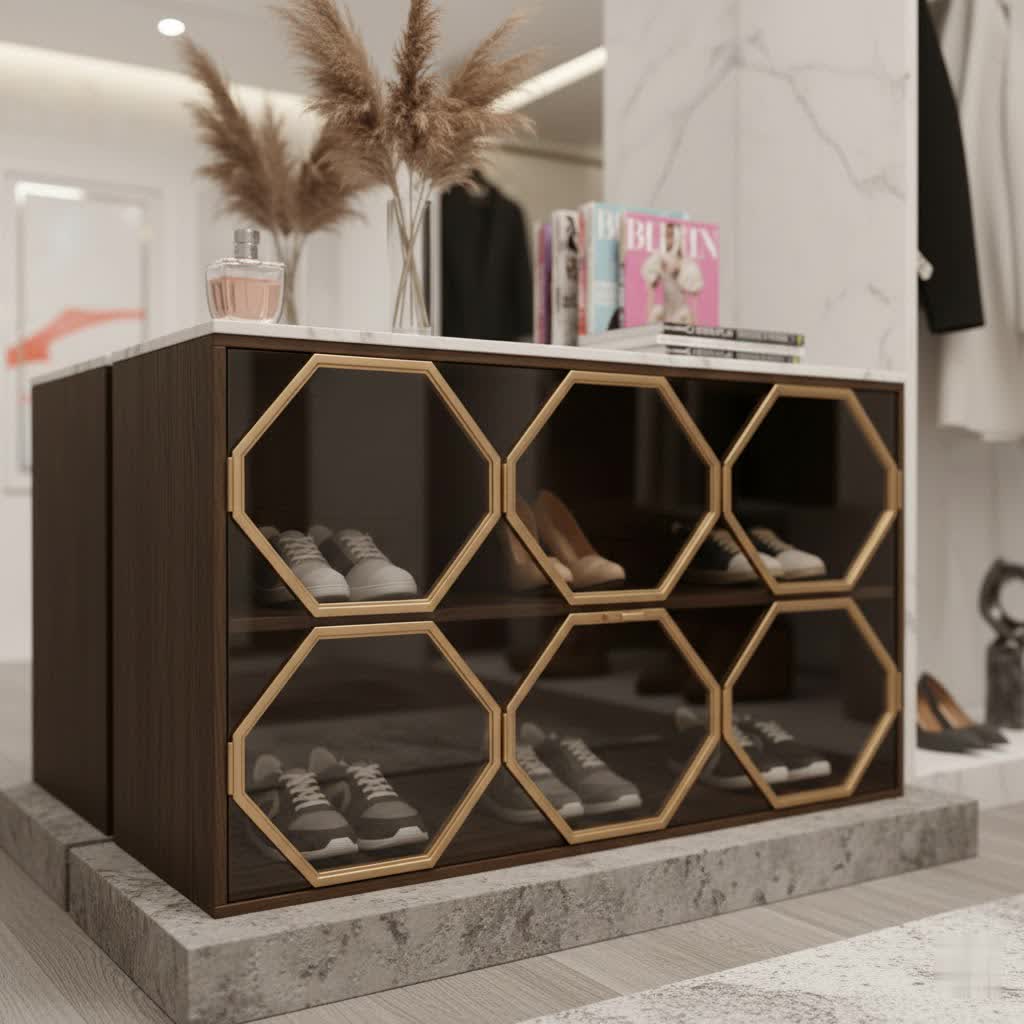
The entryway, often the first impression of your home, frequently becomes a chaotic zone piled high with shoes. If you’ve ever tripped over a stray sneaker or searched endlessly for a matching pair, you understand the struggle of maintaining a tidy and welcoming entrance. This article, drawing on years of experience in interior design, offers practical advice and deep insights to help you select the perfect entryway shoe cabinet – a piece that not only declutters your space but also reflects your personal style.
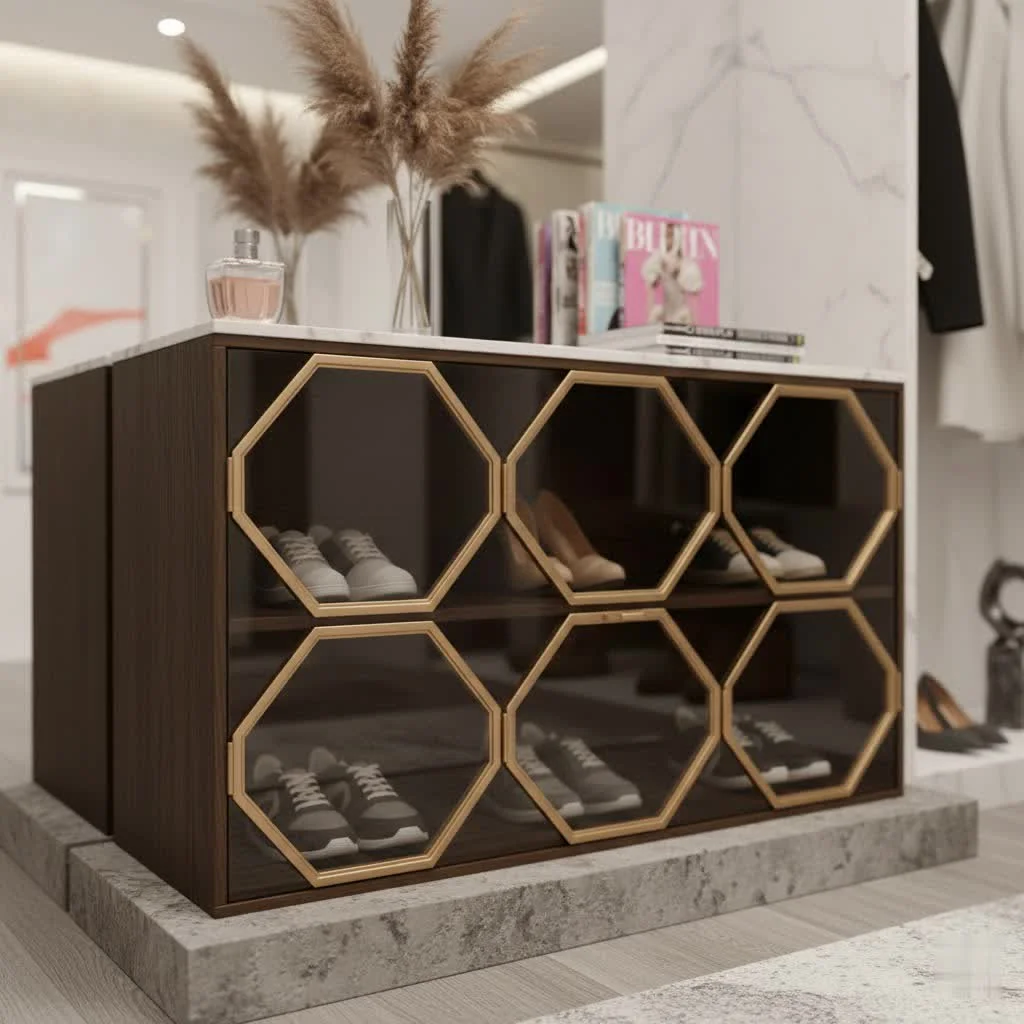
Why an Entry Way Shoe Cabinet is an Essential Home Upgrade
An entryway shoe cabinet is more than just a storage unit; it’s a strategic investment in home organization and aesthetics. It provides a dedicated, concealed space for footwear, eliminating visual clutter and making your entryway feel more spacious and inviting. Beyond the visual appeal, a well-chosen cabinet protects your shoes from dust and damage, potentially prolonging their life. It sets the tone for your home, transforming a busy transitional area into a functional and stylish statement.
Popular Types of Entry Way Shoe Cabinets
Entryway shoe cabinets come in a variety of designs, each offering unique benefits to suit different needs and spaces. Understanding these types is the first step toward finding your ideal storage solution.
Flip-Drawer Shoe Cabinets
These cabinets are characterized by their pull-down or flip-out drawers that often store shoes vertically or at an angle. They are renowned for their slim profiles, making them an excellent choice for narrow hallways and compact entryways where traditional swinging doors might obstruct movement. Many models feature adjustable dividers within the flip drawers, allowing for customization to fit various shoe sizes.
- Pros: Exceptional space-saving design, sleek and modern aesthetic, keeps shoes neatly hidden.
- Cons: May not accommodate larger boots or unusually shaped footwear without adjustments, access can be less immediate than open shelving.
- Best for: Small apartments, tight hallways, contemporary decor.
Traditional Door Shoe Cabinets
With classic swinging or sliding doors, these cabinets offer a more conventional storage approach, akin to a compact wardrobe for your footwear. They often feature multiple shelves, sometimes adjustable, behind solid doors, providing complete concealment for your shoe collection. These designs can range from simple, utilitarian pieces to ornate furniture.
- Pros: Offers complete enclosure for a tidy look, can provide more versatile storage for various shoe types, blends well with traditional or transitional decor.
- Cons: Requires clearance for door swings, can be bulky for very small spaces.
- Best for: Larger entryways, homeowners preferring a classic furniture aesthetic, those wanting maximum concealment.
Shoe Storage Benches
|
Our Picks for the Best Shoe Cabinet in 2026
As an Amazon Associate I earn from qualifying purchases.
|
||
| Num | Product | Action |
|---|---|---|
| 1 | EOYUTLLY Shoe Cabinet for Entryway with 2 Flip Drawers,Narrow Wooden Shoe Storage Cabinet with Metal Legs,Hold 24 Pairs, 4-Tier Adjustable Shelves–Freestanding Hidden Shoe Organizer for Hallway, Foyer |

|
| 2 | 32" W Farmhouse Shoe Storage Cabinet with 2 Flip Drawers and Barn Door Design, Adjustable Shelves, Modern Hidden Slim Narrow Shoe Rack Cabinet for Entryway, Foyer, Hallway, Living Room, Blue |
|
| 3 | Shoe Cabinet Storage,Modern Freestanding Organizer with 2 Flip Drawers,Narrow Shoe Rack Cabinet for Entryway,Walnut |
|
| 4 | HOOBRO Shoe Cabinet, 5-Tier Shoe Storage Organizer with Doors, Wooden Shoe Cabinet Storage for Entryway, Freestanding Shoe Rack Cabinet with 3 Adjustable Shelves for Hallway, Gold and White DW41SC01 |
|
| 5 | 32" W Farmhouse Shoe Storage Cabinet with 2 Flip Drawers and Barn Door Design, Adjustable Shelves, Modern Hidden Slim Narrow Shoe Rack Cabinet for Entryway, Foyer, Hallway, Living Room, BS40A |
|
| 6 | 32" W Farmhouse Shoe Storage Cabinet with 2 Flip Drawers and Barn Door Design, Adjustable Shelves, Modern Hidden Slim Narrow Shoe Rack Cabinet for Entryway, Foyer, Hallway, Living Room, White |
|
| 7 | 32" W Farmhouse Shoe Storage Cabinet with 2 Flip Drawers and Barn Door Design, Adjustable Shelves, Hidden Slim Narrow Shoe Rack Cabinet for Entryway, Foyer, Hallway, Living Room, Rustic Walnut |
|
| 8 | Farmhouse Shoe Cabinet with 2 Barn Doors & Wood Legs, 5-Tier Shoe Storage Cabinet with 3 Adjustable Shelves, Tall Shoe Rack Organizer for Closet, Shoe Organizer for Entryway, Hallway, White |
|
| 9 | Collapsible Shoe Rack Organizer 9 Tiers-36 Pairs Foldable Shoe Cabinet with Doors, Large Plastic Folding Shoe Cabinet, Easy Assembly Shoe Shelves Organizer for Entryway, Living Room |
|
| 10 | HOOBRO Shoe Cabinet, 5-Tier Shoe Storage Organizer with Doors, Wooden Shoe Cabinet Storage for Entryway, Freestanding Shoe Rack Cabinet with 3 Adjustable Shelves for Hallway, Gold and Black DB41SC01 |
|
Combining seating with storage, shoe storage benches are a practical and inviting addition to any entryway. They typically feature cubbies, shelves, or lift-top compartments beneath a comfortable seating surface, allowing you to sit down while putting on or removing shoes. Some even include hooks for coats or bags, creating a comprehensive entryway station.
- Pros: Multi-functional, provides convenient seating, adds warmth and welcome to the entryway.
- Cons: May offer less overall shoe capacity compared to dedicated cabinets, some designs have open storage which might show clutter.
- Best for: Families with children, those who value comfort and convenience, homes needing a compact mudroom alternative.
Multi-functional & Specialty Cabinets
These innovative cabinets integrate various features to maximize utility in the entryway. This category includes designs with integrated coat racks, open shelving for displaying decorative items or quick-access essentials like keys and mail, or even built-in mirrors. Wall-mounted or floating shoe cabinets also fall into this category, freeing up floor space for a lighter, more modern feel.
- Pros: Optimizes space with combined functions, enhances overall entryway utility, can be customized to specific needs.
- Cons: Can sometimes be more complex in design, potentially higher cost, may require professional installation for wall-mounted units.
- Best for: Maximizing utility in compact spaces, creating a cohesive entryway statement, contemporary and minimalist homes.
Choosing the Right Material for Your Entry Way Shoe Cabinet
The material of your entryway shoe cabinet profoundly impacts its durability, aesthetic appeal, and maintenance requirements. Selecting the right one ensures your cabinet not only looks good but also stands the test of time and daily use.
Wood Cabinets
Wood, in its various forms, remains a popular choice for entryway shoe cabinets due to its timeless appeal and robustness.
- Solid Wood: Offers unparalleled durability, a rich, natural aesthetic, and the ability to be refinished over time. Options include oak, maple, and walnut, providing diverse grain patterns and hues.
- Pros: Highly durable, classic elegance, long lifespan.
- Cons: Typically the most expensive, susceptible to moisture and humidity changes, requires regular maintenance.
- Suitable for: Traditional, rustic, or high-end interior styles.
- Engineered Wood (MDF/Particle Board with Veneer/Laminate): A more budget-friendly alternative, these materials are constructed from wood fibers or particles bonded with resin, often finished with a wood veneer or laminate to mimic solid wood.
- Pros: More affordable, lightweight, resistant to warping, wide range of finishes.
- Cons: Less durable than solid wood, can be damaged by moisture if finishes are compromised, difficult to repair if scratched or chipped.
- Suitable for: Modern, minimalist, or budget-conscious interior styles.
- Rattan: Often seen as an accent or a primary material in cabinet doors, rattan offers a natural, textural element that is highly fashionable.
- Pros: Adds a warm, bohemian, or farmhouse aesthetic, lightweight, provides natural ventilation.
- Cons: Can be less robust than solid wood, may fray over time, susceptible to damage from direct sun or excessive moisture.
- Suitable for: Boho, farmhouse, coastal, or relaxed contemporary interiors.
Metal Cabinets
Metal shoe cabinets, while less common for fully enclosed designs, offer a distinctive look and exceptional durability, particularly for racks or industrial-style units.
- Pros: Extremely durable, resistant to moisture (especially if powder-coated), easy to clean, offers a modern/industrial aesthetic.
- Cons: Can be heavy, may scratch floors if not properly padded, limited design warmth compared to wood.
- Suitable for: Industrial, minimalist, or contemporary urban spaces. Good for areas where shoes might be wet or muddy.
Plastic Cabinets
(As per the original prompt’s types, though less emphasized in search results for entryway cabinets)
Plastic shoe cabinets are typically lightweight and highly affordable, making them a practical solution for utility spaces or temporary needs.
- Pros: Very affordable, waterproof, easy to clean, lightweight and portable.
- Cons: Less aesthetically pleasing for a primary entryway, generally lower durability, can look cheap.
- Suitable for: Utility rooms, garages, children’s rooms, or very casual entryways.
Comparing Entry Way Shoe Cabinet Materials
| Criteria | Wood (Solid) | Engineered Wood (MDF/Laminate) | Rattan (Accent) | Metal | Plastic |
|---|---|---|---|---|---|
| Price Range | High | Medium to Low | Medium | Medium | Low |
| Durability | Very High | Medium | Medium | Very High | Low |
| Water Resistance | Low (can warp/stain) | Low (if unprotected) | Medium (some resistance) | High (if coated) | Very High |
| Design Variety | High (classic to modern) | Very High (mimics many) | Medium (boho/natural) | Medium (industrial/sleek) | Low (basic/functional) |
| Style Compatibility | Traditional, Rustic, Farmhouse | Modern, Contemporary, Transitional | Boho, Farmhouse, Coastal | Industrial, Modern, Minimalist | Casual, Utility |
Ultimate Buying Guide: How to Select Your Perfect Entry Way Shoe Cabinet
Choosing the right entryway shoe cabinet involves a thoughtful balance of functionality, style, and practical considerations.
1. Assess Your Storage Needs
Start by evaluating the size and quantity of your footwear. Do you need to store dozens of pairs, or just a few? Consider the types of shoes – bulky winter boots, high heels, or mostly sneakers? Look for features like adjustable shelves that can accommodate varying heights, or flip drawers designed for specific shoe types. Some cabinets can hold “16-20 pairs” or even “over 30 pairs,” so match capacity to your household’s needs.
2. Measure Your Entryway Space
Accurate measurements are crucial. Note the width, depth, and height of the area where the cabinet will reside. For narrow entryways, a slim cabinet with flip drawers or a wall-mounted design is ideal, as it won’t impede traffic flow. Ensure there’s enough clearance for doors or drawers to open fully without hitting walls or other furniture. A cabinet that is not very deep can offer extra storage while still allowing free movement.
3. Consider Design & Style
Your entryway shoe cabinet should complement your home’s overall aesthetic. If your home has a farmhouse vibe, a distressed wood or rattan cabinet would fit beautifully. For modern minimalist homes, sleek metal or a high-gloss engineered wood cabinet in a neutral tone is perfect. Options range from rustic white to natural oak and dark walnut.
4. Look for Smart Features
Modern shoe cabinets offer various features that enhance functionality:
- Adjustable Shelves: Provide flexibility for different shoe heights.
- Ventilation: Slatted doors or built-in vents help circulate air and prevent odors.
- Anti-Tip Fittings: Essential for tall, freestanding units, especially in homes with children or pets.
- Integrated Elements: Features like a built-in bench for seating, hooks for coats or bags, or an open shelf for keys and decorative items can maximize utility.
5. Budget & Brand Reputation
Entryway shoe cabinets vary widely in price based on material, size, and brand. Determine a budget range, but remember that investing in a quality piece can offer better durability and longevity. Research reputable brands known for their craftsmanship and customer service. Reading reviews can provide insights into a product’s real-world performance.
Top Trends and Models in Entry Way Shoe Cabinets
The market for entryway shoe cabinets is constantly evolving, blending practicality with contemporary design trends.
Slim & Narrow Designs
For many homeowners, space is a premium. Slim and narrow shoe cabinets, often featuring flip-down drawers, are incredibly popular for their ability to provide significant storage without encroaching on precious entryway space. These designs are perfect for apartment living or tight hallways, offering a streamlined aesthetic.
Rattan Accents
Embracing natural textures, rattan has become a favorite accent in interior design. Shoe cabinets with rattan panels or woven doors add a touch of bohemian, farmhouse, or coastal charm, introducing warmth and a handcrafted feel to your entryway.
Integrated Seating
The convenience of a place to sit while lacing up shoes is invaluable. Shoe cabinets that double as benches, often with hidden storage compartments beneath the seat, are highly sought after. Some even come with padded tops for extra comfort, blending seamlessly into a welcoming entryway.
Smart Storage Solutions
Innovation in shoe cabinet design focuses on maximizing every inch. This includes cabinets with multiple functions, such as combining shoe storage with a coat rack, a mirror, or open shelving for decorative elements. These “all-in-one” units are perfect for creating a cohesive and highly functional entryway station.
Maintaining Your Entry Way Shoe Cabinet for Freshness
Keeping your shoes fresh and preventing unpleasant odors inside your cabinet is key to a welcoming entryway.
- Ensure Good Ventilation: Opt for cabinets with slatted doors or built-in vents that allow air to circulate. This helps shoes breathe and reduces moisture buildup, which can lead to odors.
- Utilize Odor Absorbers: Place activated charcoal bags, baking soda sachets, or cedar blocks inside the cabinet. These natural absorbers effectively soak up moisture and neutralize smells.
- Store Clean and Dry Shoes Only: Always ensure your shoes are clean and completely dry before placing them in the cabinet. Wet or dirty shoes introduce moisture and bacteria, which are primary causes of odor and can lead to mold or mildew.
- Regularly Air Out the Cabinet: Periodically open the cabinet doors for an hour or two to allow fresh air to circulate and refresh the interior.
“A good shoe cabinet is not just a place to store shoes, but also an important part of creating a tidy and aesthetic living space.” – Nguyễn Văn A, Interior Design Expert. This sentiment underscores the transformative power of a well-chosen piece in your home.
Conclusion
Choosing the ideal entryway shoe cabinet is a journey toward a more organized, stylish, and welcoming home. By understanding the diverse types, materials, and smart features available, you can confidently select a piece that not only keeps your footwear neatly tucked away but also enhances the overall ambiance of your entrance. From sleek, space-saving flip-drawer designs to versatile storage benches, there’s a perfect solution waiting to transform your entryway from cluttered to chic.
What unique features are you looking for in your next entryway shoe cabinet to truly make it your own?
Frequently Asked Questions
Which material is best for a shoe cabinet in a condominium?
For a condominium, engineered wood with a good laminate or veneer finish is often ideal. It offers a stylish look that can complement modern interiors, is more affordable than solid wood, and provides sufficient durability for indoor use. Rattan accents can also be a great choice for adding texture and warmth.
How can I make my entryway shoe cabinet smell better?
To combat odors, choose a cabinet with ventilation. Always store clean, dry shoes. Place odor absorbers like activated charcoal, baking soda sachets, or cedar blocks inside. Regularly open the cabinet doors to allow for air circulation.
Are shoe cabinets better than open shoe racks for entryways?
Generally, shoe cabinets are preferred for entryways as they keep shoes out of sight, reducing clutter and contributing to a tidier appearance. They also protect shoes from dust. While open racks offer easy access, cabinets provide a more polished and organized look, aligning better with home decor.
How do I measure my entryway for a shoe cabinet?
Measure the available width, depth, and height where you plan to place the cabinet. Crucially, consider any door swings or traffic paths to ensure the cabinet, especially its opening doors or drawers, doesn’t obstruct movement. For narrow spaces, prioritize slim designs.
Can entryway shoe cabinets accommodate boots and high heels?
Many modern shoe cabinets are designed with adjustable shelves or specialized flip drawers that can be configured to accommodate various shoe heights, including boots and high heels. Always check the product specifications and look for cabinets with flexible storage options to ensure compatibility with your footwear collection.
Get our weekly buyer guide
Practical specs, not advice. Unsubscribe anytime.
