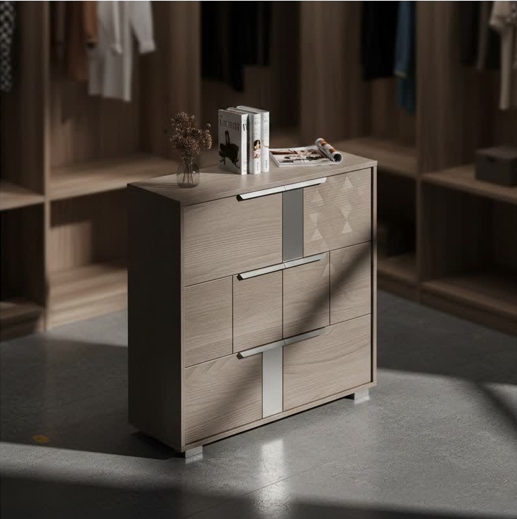
Stepping into a home where shoes are scattered can instantly diminish its appeal. We all understand the struggle of keeping our footwear organized while ensuring our living spaces remain stylish and inviting. With over a decade of experience in interior design, particularly with shoe storage solutions, I’ve seen firsthand how the right shoe cabinet can transform a chaotic entryway into a harmonious welcome. This comprehensive guide, built on practical insights and industry knowledge, aims to equip you with the best advice for selecting a shoe cabinet that not only serves its purpose but also elevates your home’s aesthetic.
A well-chosen shoe cabinet is more than just a storage unit; it’s a statement piece that reflects your personal style and commitment to an organized life. It protects your cherished footwear, keeps dust at bay, and frees up valuable floor space, making your home feel instantly tidier and more sophisticated. The journey to a clutter-free home begins with understanding the diverse world of shoe cabinets. For more shoe storage guides on this site.
Popular Shoe Cabinet Types to Consider
The market offers an array of shoe cabinet designs, each catering to different needs, spaces, and aesthetic preferences. Understanding the unique characteristics of each type will help you make an informed decision for your home.
Wooden Shoe Cabinets
Wooden shoe cabinets are a timeless choice, bringing natural warmth and elegance to any interior. Crafted from various wood types, they offer robust construction and a classic appeal that can endure for years.
- Advantages: Wooden cabinets boast a luxurious appearance, exceptional durability, and come in a vast range of styles from rustic to contemporary.
- Disadvantages: Typically higher in price, they can be susceptible to moisture damage and require proper treatment to prevent issues like warping or pests.
- Best for: Homes with classic, traditional, or contemporary decor, where durability and a sophisticated look are paramount.
Plastic Shoe Cabinets
Plastic shoe cabinets are a lightweight and economical solution, often favored for their practicality and ease of maintenance. They are particularly suitable for areas where moisture might be a concern.
- Advantages: Highly affordable, plastic cabinets are water-resistant and incredibly easy to clean. Their lightweight nature makes them simple to move and reconfigure.
- Disadvantages: Generally, plastic offers less durability and a more limited range of sophisticated designs compared to wood or metal.
- Best for: Smaller spaces, apartments, utility areas, or environments prone to dampness where budget-friendliness and easy cleaning are key.
Metal Shoe Cabinets
Metal shoe cabinets bring a sleek, modern, and often industrial edge to home interiors. Known for their strength and longevity, they are a practical option for durable shoe storage.
- Advantages: Metal cabinets are exceptionally sturdy and durable, offering a contemporary aesthetic. When properly powder-coated, they resist rust and corrosion, making them long-lasting.
- Disadvantages: Without proper finishes, they can be prone to rust in humid conditions. Their designs can sometimes feel less warm or versatile than wood.
- Best for: Industrial, minimalist, or modern decor schemes where robustness and a clean-lined look are desired.
Other innovative types of shoe storage include:
- Open Racks: These provide easy access and excellent ventilation, ideal for frequently worn shoes.
- Closed Cabinets: Perfect for keeping shoes protected from dust and out of sight, offering a neat and uncluttered look.
- Revolving Shoe Racks: A smart solution for maximizing storage in tight corners or small spaces.
- Stackable Units: Offer flexibility to expand your storage as your shoe collection grows.
- LED Display Cases: For those who wish to showcase their prized sneaker collection with a modern, illuminated touch.
Comparing Popular Shoe Cabinet Materials
To help you visualize the differences, here’s a comparison table summarizing the key aspects of popular shoe cabinet materials:
| Criterion | Wooden Shoe Cabinet | Plastic Shoe Cabinet | Metal Shoe Cabinet |
|---|---|---|---|
| Price Range | High | Low | Medium |
| Durability | High (with proper care) | Low to Medium | High |
| Moisture Resistance | Low (requires treatment) | High | Medium (if powder-coated) |
| Design Versatility | Very High (classic to modern) | Low (modern, simple) | Medium (industrial, minimalist) |
| Maintenance | Moderate (dusting, occasional polish) | Low (easy to wipe clean) | Low (wipe clean, check for rust) |
| Aesthetic Appeal | Elegant, timeless | Functional, casual | Sleek, contemporary |
Your Essential Guide to Buying a Shoe Cabinet
Choosing the perfect shoe cabinet involves more than just picking a design you like. It requires a thoughtful assessment of your needs, space, and lifestyle.
Determine Your Storage Needs
|
Our Picks for the Best Shoe Cabinet in 2026
As an Amazon Associate I earn from qualifying purchases.
|
||
| Num | Product | Action |
|---|---|---|
| 1 | HOOBRO Shoe Cabinet, 5-Tier Shoe Storage Organizer with Doors, Wooden Shoe Cabinet Storage for Entryway, Freestanding Shoe Rack Cabinet with 3 Adjustable Shelves for Hallway, Gold and Black DB41SC01 |

|
| 2 | 32" W Farmhouse Shoe Storage Cabinet with 2 Flip Drawers and Barn Door Design, Adjustable Shelves, Modern Hidden Slim Narrow Shoe Rack Cabinet for Entryway, Foyer, Hallway, Living Room, BS40A |
|
| 3 | EOYUTLLY Shoe Cabinet for Entryway with 2 Flip Drawers,Narrow Wooden Shoe Storage Cabinet with Metal Legs,Hold 24 Pairs, 4-Tier Adjustable Shelves–Freestanding Hidden Shoe Organizer for Hallway, Foyer |
|
| 4 | Farmhouse Shoe Cabinet with 2 Barn Doors & Wood Legs, 5-Tier Shoe Storage Cabinet with 3 Adjustable Shelves, Tall Shoe Rack Organizer for Closet, Shoe Organizer for Entryway, Hallway, White |
|
| 5 | 32" W Farmhouse Shoe Storage Cabinet with 2 Flip Drawers and Barn Door Design, Adjustable Shelves, Hidden Slim Narrow Shoe Rack Cabinet for Entryway, Foyer, Hallway, Living Room, Rustic Walnut |
|
| 6 | 32" W Farmhouse Shoe Storage Cabinet with 2 Flip Drawers and Barn Door Design, Adjustable Shelves, Modern Hidden Slim Narrow Shoe Rack Cabinet for Entryway, Foyer, Hallway, Living Room, Blue |
|
| 7 | HOOBRO Shoe Cabinet, 5-Tier Shoe Storage Organizer with Doors, Wooden Shoe Cabinet Storage for Entryway, Freestanding Shoe Rack Cabinet with 3 Adjustable Shelves for Hallway, Gold and White DW41SC01 |
|
| 8 | Collapsible Shoe Rack Organizer 9 Tiers-36 Pairs Foldable Shoe Cabinet with Doors, Large Plastic Folding Shoe Cabinet, Easy Assembly Shoe Shelves Organizer for Entryway, Living Room |
|
| 9 | Shoe Cabinet Storage,Modern Freestanding Organizer with 2 Flip Drawers,Narrow Shoe Rack Cabinet for Entryway,Walnut |
|
| 10 | 32" W Farmhouse Shoe Storage Cabinet with 2 Flip Drawers and Barn Door Design, Adjustable Shelves, Modern Hidden Slim Narrow Shoe Rack Cabinet for Entryway, Foyer, Hallway, Living Room, White |
|
Start by evaluating your shoe collection. How many pairs do you own, and how many do you anticipate owning in the future? Consider the types of shoes – boots, heels, sneakers – as this will influence the shelf height and compartment size you need. Also, think about where the cabinet will be placed: entryway, closet, or bedroom? This dictates the design and size.
Choose the Right Material
The material significantly impacts both the cabinet’s durability and its overall look.
- Wood: For a classic, robust, and elegant solution that complements traditional or upscale decor. Ensure it’s treated for moisture resistance if placed in a humid area.
- Plastic: An excellent budget-friendly, lightweight, and moisture-resistant option, ideal for casual spaces or utility areas.
- Metal: Offers superior durability and a modern, industrial aesthetic, perfect for contemporary homes. Look for rust-resistant finishes.
- Composite Materials: Often a blend of wood and other materials, providing a balance of durability, style, and affordability.
Style and Size Considerations
The cabinet’s design should harmonize with your home’s existing decor. For a cohesive look, opt for a cabinet with similar colors or finishes to your current furniture. If you prefer a bolder statement, a contrasting color can create an impactful visual effect.
Measure your available space carefully – not just the width and height, but also the depth, keeping door swings and walkways in mind. A cabinet that is too large will overwhelm a small room, while one that is too small will quickly become cluttered. Consider vertical designs or slim flip-drawer cabinets for narrow hallways to maximize space without impeding movement.
Ventilation and Accessibility
Proper ventilation is crucial to prevent odors and moisture buildup, especially in enclosed cabinets. Look for designs with slatted doors, mesh panels, or built-in ventilation holes to ensure good airflow and keep your shoes fresh.
Accessibility is also key. Flip-down compartments offer quick access, while sliding or hinged doors suit different spatial constraints. For ease of use, consider multi-functional units like a shoe bench with integrated storage, providing both a place to sit and hidden compartments for footwear.
Budget and Brand Reputation
Set a realistic budget, but remember that investing in a higher-quality cabinet can offer long-term value. Research reputable brands known for their craftsmanship and customer service. Read reviews to gauge product quality and ease of assembly. Sometimes, added features like adjustable shelves or integrated lighting can justify a slightly higher price point.
Our Top Picks: Popular Shoe Cabinet Models
Modern shoe cabinet designs are constantly evolving to meet contemporary living needs, offering both innovative functionality and aesthetic appeal.
Smart Shoe Cabinets
These cabinets are designed with convenience in mind, often featuring flip-down drawers that cleverly store shoes vertically, saving significant space. Some advanced models include integrated LED lighting to illuminate your collection or even smart ventilation systems to keep shoes odor-free. They are a fantastic choice for those who appreciate sleek design and intelligent storage solutions.
Wall-Mounted and Slim Designs
Ideal for homes with limited floor space, wall-mounted shoe cabinets free up precious floor area, creating a more open and airy feel. Slim designs, often with a narrow profile and flip-down compartments, are perfect for tight entryways and hallways, offering substantial storage without protruding too much.
Multi-Functional Shoe Cabinets
Why have a shoe cabinet when you can have a shoe cabinet that also serves another purpose? Multi-functional units are excellent for optimizing space. This includes shoe benches that provide a comfortable seating area for putting on or taking off shoes, combined with hidden storage. Others might integrate coat hooks, shelves for keys, or even display tops for decorative items, making them versatile pieces for an entryway or mudroom.
“A good shoe cabinet is not just a place to store footwear; it’s an essential element in creating a tidy and aesthetically pleasing living space.”
Conclusion
Choosing the right shoe cabinet is a pivotal step toward achieving an organized and elegant home. From selecting the appropriate material and size to considering innovative features and designs, each decision contributes to a more harmonious living environment. Embrace the opportunity to transform your shoe storage from a mere necessity into a stylish and functional asset. With a thoughtful approach, your shoe cabinet will not only keep your shoes impeccably organized but also serve as a beautiful testament to your personal style.
What features do you prioritize most when searching for the perfect shoe cabinet for your home?
Frequently Asked Questions
What material should I choose for a shoe cabinet in an apartment?
For apartment living, consider metal or composite material shoe cabinets for durability and a modern aesthetic, or plastic for a lightweight and budget-friendly option, especially if space is limited. Focus on slim designs or wall-mounted units to maximize vertical space.
Can shoe cabinets help with shoe odor?
Yes, many shoe cabinets are designed with ventilation features like slatted doors or air holes to promote airflow, which helps reduce odor and keeps shoes fresh. Combining a ventilated cabinet with regular shoe care can effectively manage odors.
How do I determine the right size shoe cabinet for my entryway?
First, measure the exact dimensions of your entryway, noting any obstacles like doors or existing furniture. Then, count your shoe pairs and consider future purchases to ensure adequate capacity. Opt for a cabinet that fits comfortably within your measured space, perhaps a slim or tall design for narrow areas.
Are stackable shoe cabinets a good option?
Stackable shoe cabinets are an excellent choice for flexibility and expanding storage as your collection grows. They are particularly useful for small spaces or closets, allowing you to customize height and capacity as needed.
What are “smart” shoe cabinets?
Smart shoe cabinets incorporate modern features like flip-down drawers for space efficiency, LED lighting to highlight your footwear, and sometimes even integrated ventilation systems for odor control. They blend advanced functionality with contemporary design for an elevated storage experience.
Get our weekly buyer guide
Practical specs, not advice. Unsubscribe anytime.
