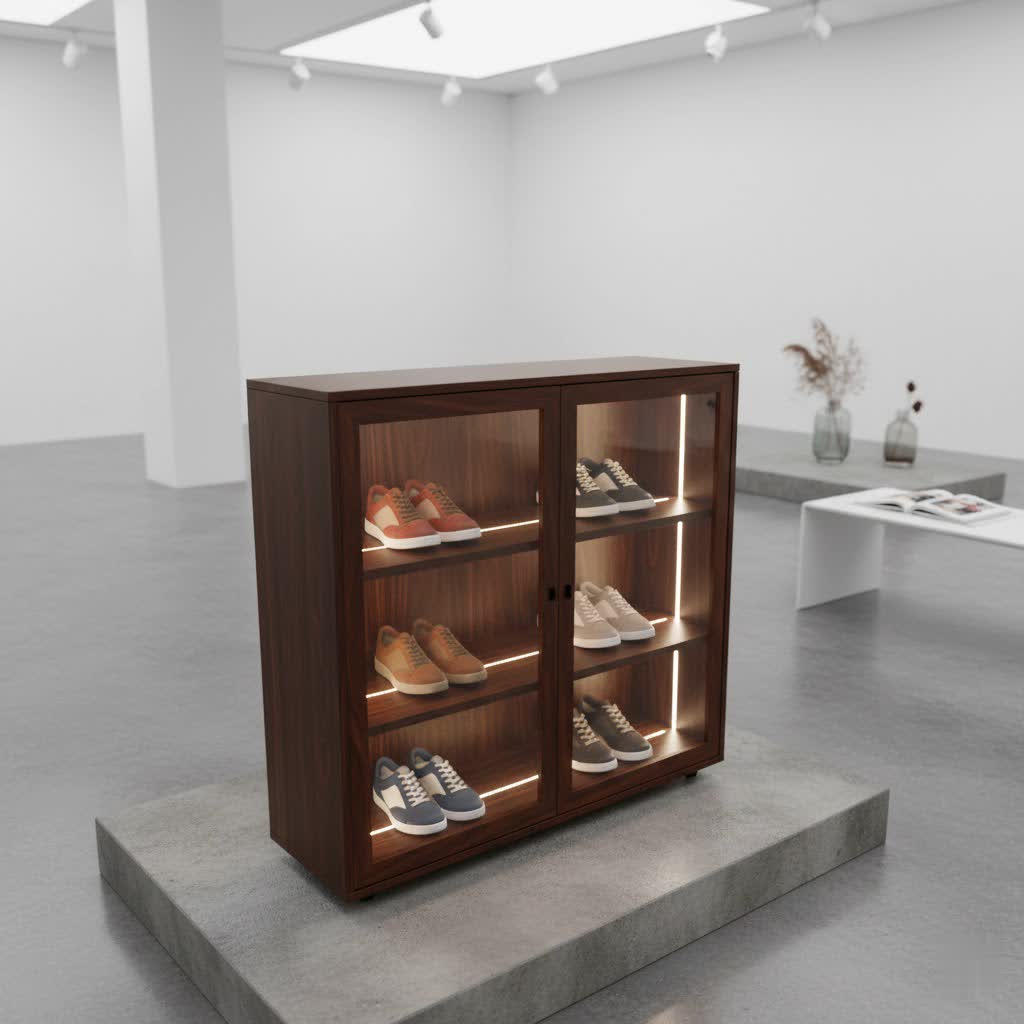
Tired of tripping over shoes scattered across your entryway or finding them piled haphazardly in your closet? In homes of all sizes, shoe clutter can quickly become a persistent challenge, diminishing both tidiness and peace of mind. But what if you could transform an often-overlooked space into an efficient, stylish shoe sanctuary? Enter the corner shoe cabinet – a clever, compact solution designed to reclaim unused corners, bring order to chaos, and elevate your home’s aesthetic. This guide, drawing on extensive experience in furniture and interior design, is crafted to help you navigate the options and choose a corner shoe cabinet that perfectly fits your needs and style.
Popular Types of Corner Shoe Cabinets
Corner shoe cabinets come in various forms, each offering unique advantages in terms of material, design, and functionality. Understanding these differences is key to selecting the perfect fit for your home. For best shoe storage roundups on this site.
Wooden Shoe Cabinets
Wooden shoe cabinets are a timeless choice, bringing warmth and natural elegance to any interior. From solid hardwood to engineered wood, the material offers diverse finishes and styles.
- Advantages: Wooden cabinets boast exceptional durability and a classic, sophisticated appeal. They are available in a wide array of designs, from rustic to contemporary, easily matching various decor themes.
- Disadvantages: Higher-end wooden cabinets can be more expensive. Without proper treatment, they can be susceptible to moisture damage or pests like termites.
- Best Suited For: Homes with traditional, classical, or modern farmhouse aesthetics, where quality and a rich finish are prioritized.
Plastic Shoe Cabinets
Plastic shoe cabinets offer a practical and budget-friendly alternative, particularly in areas prone to moisture. They are often lightweight and easy to assemble.
- Advantages: These cabinets are typically very affordable, water-resistant, and simple to clean, making them ideal for utility areas or humid climates. Their lightweight nature also makes them easy to move.
- Disadvantages: Plastic generally offers less durability and a more limited range of sophisticated designs compared to wood or metal. They might not blend seamlessly with high-end decor.
- Best Suited For: Small, informal spaces, children’s rooms, mudrooms, or any area where moisture resistance and ease of maintenance are top concerns.
Metal Shoe Cabinets
For a sleek, modern, or industrial touch, metal shoe cabinets are an excellent option. They are known for their strength and often feature open or perforated designs.
- Advantages: Metal cabinets are highly sturdy and durable, capable of holding many pairs of shoes without warping. Their minimalist design complements contemporary and industrial aesthetics. They often offer good ventilation.
- Disadvantages: If not properly coated, metal can be prone to rust, especially in damp environments. The design options, while modern, might not suit more traditional homes.
- Best Suited For: Industrial lofts, minimalist apartments, or modern entryways where a robust and no-nonsense storage solution is desired.
Multi-functional Shoe Cabinets
|
Our Picks for the Best Shoe Cabinet in 2026
As an Amazon Associate I earn from qualifying purchases.
|
||
| Num | Product | Action |
|---|---|---|
| 1 | 32" W Farmhouse Shoe Storage Cabinet with 2 Flip Drawers and Barn Door Design, Adjustable Shelves, Modern Hidden Slim Narrow Shoe Rack Cabinet for Entryway, Foyer, Hallway, Living Room, White |

|
| 2 | 32" W Farmhouse Shoe Storage Cabinet with 2 Flip Drawers and Barn Door Design, Adjustable Shelves, Modern Hidden Slim Narrow Shoe Rack Cabinet for Entryway, Foyer, Hallway, Living Room, Blue |
|
| 3 | Farmhouse Shoe Cabinet with 2 Barn Doors & Wood Legs, 5-Tier Shoe Storage Cabinet with 3 Adjustable Shelves, Tall Shoe Rack Organizer for Closet, Shoe Organizer for Entryway, Hallway, White |
|
| 4 | HOOBRO Shoe Cabinet, 5-Tier Shoe Storage Organizer with Doors, Wooden Shoe Cabinet Storage for Entryway, Freestanding Shoe Rack Cabinet with 3 Adjustable Shelves for Hallway, Gold and White DW41SC01 |
|
| 5 | HOOBRO Shoe Cabinet, 5-Tier Shoe Storage Organizer with Doors, Wooden Shoe Cabinet Storage for Entryway, Freestanding Shoe Rack Cabinet with 3 Adjustable Shelves for Hallway, Gold and Black DB41SC01 |
|
| 6 | 32" W Farmhouse Shoe Storage Cabinet with 2 Flip Drawers and Barn Door Design, Adjustable Shelves, Modern Hidden Slim Narrow Shoe Rack Cabinet for Entryway, Foyer, Hallway, Living Room, BS40A |
|
| 7 | Shoe Cabinet Storage,Modern Freestanding Organizer with 2 Flip Drawers,Narrow Shoe Rack Cabinet for Entryway,Walnut |
|
| 8 | 32" W Farmhouse Shoe Storage Cabinet with 2 Flip Drawers and Barn Door Design, Adjustable Shelves, Hidden Slim Narrow Shoe Rack Cabinet for Entryway, Foyer, Hallway, Living Room, Rustic Walnut |
|
| 9 | EOYUTLLY Shoe Cabinet for Entryway with 2 Flip Drawers,Narrow Wooden Shoe Storage Cabinet with Metal Legs,Hold 24 Pairs, 4-Tier Adjustable Shelves–Freestanding Hidden Shoe Organizer for Hallway, Foyer |
|
| 10 | Collapsible Shoe Rack Organizer 9 Tiers-36 Pairs Foldable Shoe Cabinet with Doors, Large Plastic Folding Shoe Cabinet, Easy Assembly Shoe Shelves Organizer for Entryway, Living Room |
|
Many corner shoe cabinets go beyond simple storage, integrating additional features to enhance utility and save space.
- With Seating: These cabinets often feature a cushioned bench top, providing a convenient spot to sit while putting on or taking off shoes. This is particularly useful in entryways or mudrooms.
- Additional Storage: Some designs include drawers, open shelves, or compartments for accessories like keys, wallets, or decorative items, optimizing the corner for more than just shoes.
Open Shelf vs. Closed Door Designs
The choice between open and closed designs significantly impacts both aesthetics and shoe care.
- Open Shelving: Offers quick access and excellent ventilation, which helps prevent odors. It’s ideal for frequently worn shoes and for showcasing a curated collection.
- Closed Door/Drawer Designs: Provides a tidier appearance by keeping shoes out of sight and protects them from dust, dirt, and direct sunlight. Options include swing doors, space-saving sliding doors, or flip-down compartments, perfect for narrow hallways.
Comparing Corner Shoe Cabinet Materials
Choosing the right material involves balancing cost, durability, aesthetics, and practical considerations like moisture resistance and maintenance.
| Feature | Wooden Shoe Cabinet | Plastic Shoe Cabinet | Metal Shoe Cabinet |
|---|---|---|---|
| Cost | High | Low | Medium |
| Durability | High | Low to Medium | High |
| Moisture Resist. | Low (unless treated) | High | Medium (if coated) |
| Aesthetics | Classic, elegant, versatile | Modern, functional, simple | Modern, industrial, sleek |
| Ventilation | Varies by design | Varies by design | Good (often open/perforated) |
| Maintenance | Moderate (dusting, occasional polishing) | Low (easy to wipe clean) | Low to Moderate (wiping, rust checks) |
How to Choose the Perfect Corner Shoe Cabinet (Buying Guide)
Selecting a corner shoe cabinet isn’t just about finding a storage unit; it’s about integrating a functional piece that enhances your living space. Consider these factors to make an informed decision.
Determine Your Storage Needs
Start by assessing your current shoe collection. How many pairs do you own, and what types are they?
- Number of Shoes: Count your daily wear, seasonal rotation, and special occasion footwear. This dictates the required capacity of your cabinet.
- Shoe Types: Boots, high heels, sneakers, and flats all require different shelf heights or specialized compartments. Ensure the cabinet can accommodate your most challenging pairs.
- Space Dimensions: Measure the corner where you plan to place the cabinet (height, width of each wall meeting the corner, and depth). Remember to account for door swing or pathway clearance.
Select the Right Material
The material choice impacts durability, aesthetics, and maintenance.
- Longevity: For a long-term investment, solid wood or well-constructed metal are excellent choices.
- Environment: If placed in a humid area like a mudroom or near an entryway, consider plastic or coated metal for better moisture resistance. Wooden cabinets should be treated or sealed.
- Aesthetic Harmony: Choose a material and finish that complements your existing furniture and home decor for a cohesive look.
Evaluate Design and Features
The internal and external design elements contribute significantly to functionality and user experience.
- Door Mechanisms: Swing doors require more clearance, while sliding or tilt-out doors are ideal for narrow spaces.
- Adjustable Shelving: This feature provides flexibility to store different shoe sizes and types, from tall boots to multiple pairs of flats.
- Ventilation: Proper airflow is crucial to prevent odors and maintain the condition of your shoes. Look for designs with vents, slatted doors, or consider leaving cabinet doors slightly ajar.
- Multi-purpose Functionality: Do you need a cabinet with an integrated bench for seating or extra compartments for other items?
Consider Price and Brand Reputation
Researching price points and brand reliability ensures you get good value for your investment.
- Budget: Corner shoe cabinets range widely in price based on material, size, and features. Set a budget, but prioritize quality for durability.
- Reviews: Check customer reviews for insights into product quality, ease of assembly, and actual capacity.
- Warranty: A good warranty can offer peace of mind regarding your purchase.
Popular Corner Shoe Cabinet Designs Today
Innovation in furniture design has led to a variety of stylish and highly functional corner shoe cabinet ideas that cater to diverse needs and spaces.
Intelligent and Space-Saving Designs
Modern living often demands smart solutions, and corner shoe cabinets have evolved to meet this need.
- Tall, Vertical Units: These designs maximize vertical space, occupying minimal floor area. They are excellent for small apartments or entryways where horizontal space is limited.
- L-shaped or Triangular Designs: Specifically engineered to fit snugly into corners, these shapes make the most of an often-underutilized area, providing substantial storage without protruding awkwardly.
Wall-Mounted and Integrated Solutions
Beyond freestanding units, integrated solutions offer seamless storage.
- Wall-Mounted Cabinets: Free up floor space, creating a lighter, more open feel. They are customizable to various wall sizes and styles.
- Hidden Storage: Creative solutions like pull-out shelves beneath stairs or custom-built units integrated into existing cabinetry offer discreet and efficient shoe storage, perfect for minimalist aesthetics.
Modular and Customizable Systems
For those with evolving needs or unique collections, modular systems provide flexibility.
- Expandable Racks: Some systems allow you to add or remove sections, adapting to your growing shoe collection or changing space requirements.
- Customizable Compartments: These units allow you to adjust shelf heights or add dividers, ensuring every pair of shoes has its perfect spot.
“A well-designed shoe cabinet isn’t just about storage; it’s about respecting your investment in footwear and contributing to the overall harmony and organization of your home.”
Conclusion
A corner shoe cabinet is far more than just a place to stash your shoes; it’s an investment in organization, aesthetics, and the efficient use of your home’s often-neglected corners. By carefully considering your storage needs, material preferences, and desired features, you can choose a solution that not only declutters your space but also enhances its style and functionality. Embrace the potential of these smart storage units to transform your home into a more organized and welcoming environment.
Which corner in your home is ready for a stylish shoe storage upgrade?
Frequently Asked Questions
What’s the best material for a corner shoe cabinet in a humid climate?
For humid climates, plastic or metal cabinets with rust-resistant coatings are generally the best choice due to their excellent moisture resistance. If you prefer wood, ensure it’s made from treated engineered wood or sealed solid wood to prevent warping and mold.
How do I ensure proper ventilation for my shoes in a cabinet?
To ensure proper ventilation, look for cabinets with slatted doors, mesh panels, or built-in vents. For closed cabinets without these features, leaving the doors slightly ajar when shoes are stored can help air circulate and prevent odors and moisture buildup.
Can corner shoe cabinets fit in very small entryways?
Yes, many corner shoe cabinets are specifically designed for small spaces. Look for slim, vertical designs, L-shaped units, or cabinets with space-saving features like tilt-out or sliding doors that don’t require much clearance when opened.
How many pairs of shoes can a typical corner shoe cabinet hold?
The capacity of a corner shoe cabinet varies greatly depending on its size and design. Small, compact units might hold 6-12 pairs, while tall, multi-tier cabinets can often store 20-30 pairs or more. Always check the product specifications for exact capacity.
Are wall-mounted corner shoe cabinets a good idea?
Wall-mounted corner shoe cabinets are an excellent idea for maximizing floor space and creating a sleek, minimalist look. They are particularly beneficial in small entryways or rooms where maintaining an open floor plan is important, and they can be customized to suit various heights and wall dimensions.
Get our weekly buyer guide
Practical specs, not advice. Unsubscribe anytime.
