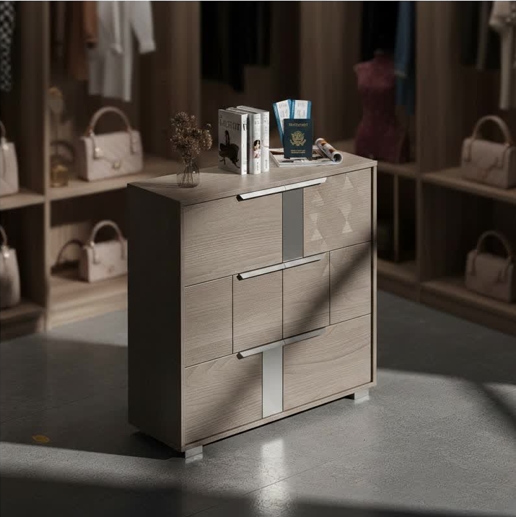
Stepping through your front door should usher you into a calm, inviting space, not a battlefield of scattered shoes. For years, I’ve observed how the right furniture can transform a home, and when it comes to keeping footwear neatly tucked away, a shoe cabinet with a drawer is an undisputed champion. It’s more than just a storage unit; it’s a statement of sophistication and a testament to clever organization. This comprehensive guide, built on a decade of industry insight, will walk you through selecting a shoe cabinet that not only keeps your entryway immaculate but also elevates your home’s aesthetic, tailored to your unique needs and style.
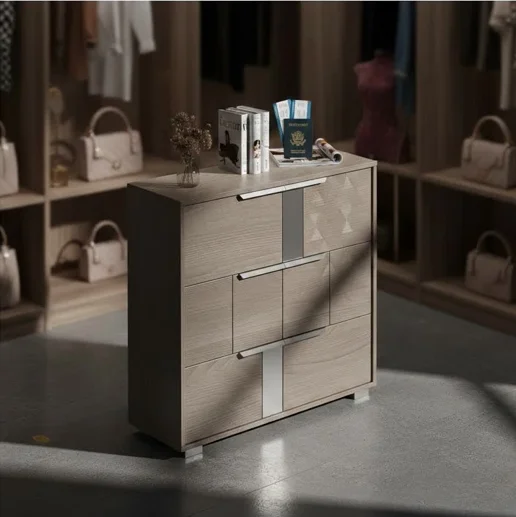
Exploring the Versatile World of Shoe Cabinets with Drawers
Shoe cabinets featuring drawers offer diverse solutions to common footwear clutter, blending functionality with design. Understanding the different configurations available is the first step toward finding your ideal match.
Flip-Down (Tilt-Out) Drawer Shoe Cabinets
Flip-down or tilt-out drawers are a hallmark of modern, space-saving shoe cabinet design. These drawers pivot outwards, allowing shoes to be stored vertically within a surprisingly slim profile.
- Advantages:
- Exceptional Space-Saving: Their narrow depth makes them perfect for cramped entryways, hallways, or behind doors where traditional storage might be too bulky.
- Discreet Organization: Shoes are completely hidden from view, maintaining a clean and minimalist aesthetic.
- Adjustable Storage: Many models feature adjustable or removable dividers within each flip-down compartment, enabling you to customize space for different shoe types, from flats to sneakers, and even some mid-calf boots.
- Disadvantages:
- Limited Capacity for Bulky Footwear: While adjustable, very large shoes or high boots might still struggle to fit comfortably without removing dividers entirely, potentially reducing overall capacity.
- Mechanism Complexity: The tilt mechanism, while efficient, can sometimes feel less robust than standard drawers if not constructed with quality hardware.
- Best for: Homes with narrow entryways, those seeking a minimalist look, and individuals with a collection primarily consisting of standard-sized shoes and flats.
Standard Pull-Out Drawer Shoe Cabinets
Beyond dedicated shoe compartments, many cabinets integrate conventional pull-out drawers, often positioned at the top or side of the unit. These drawers serve a different but equally vital organizational purpose.
- Advantages:
- Versatile Storage for Essentials: Perfect for stashing keys, wallets, sunglasses, mail, or even shoe-care accessories like brushes and polish.
- Easy Access: Offers quick and effortless access to everyday items you need when coming and going.
- Streamlined Surfaces: Keeps clutter off the cabinet’s top surface, contributing to a tidy entryway.
- Disadvantages:
- Less Shoe-Specific: While useful, these drawers are typically not designed for shoe storage themselves, meaning they don’t contribute directly to your shoe capacity.
- Can Add Bulk: Depending on their depth, they can make the overall cabinet slightly deeper than a purely flip-down design.
- Best for: Households needing a convenient drop-zone for daily essentials, those who appreciate multi-functional furniture, and homes with a bit more space in the entryway.
Combined Design Shoe Cabinets
|
Our Picks for the Best Shoe Cabinet in 2026
As an Amazon Associate I earn from qualifying purchases.
|
||
| Num | Product | Action |
|---|---|---|
| 1 | Shoe Cabinet Storage,Modern Freestanding Organizer with 2 Flip Drawers,Narrow Shoe Rack Cabinet for Entryway,Walnut |

|
| 2 | HOOBRO Shoe Cabinet, 5-Tier Shoe Storage Organizer with Doors, Wooden Shoe Cabinet Storage for Entryway, Freestanding Shoe Rack Cabinet with 3 Adjustable Shelves for Hallway, Gold and Black DB41SC01 |
|
| 3 | 32" W Farmhouse Shoe Storage Cabinet with 2 Flip Drawers and Barn Door Design, Adjustable Shelves, Modern Hidden Slim Narrow Shoe Rack Cabinet for Entryway, Foyer, Hallway, Living Room, White |
|
| 4 | EOYUTLLY Shoe Cabinet for Entryway with 2 Flip Drawers,Narrow Wooden Shoe Storage Cabinet with Metal Legs,Hold 24 Pairs, 4-Tier Adjustable Shelves–Freestanding Hidden Shoe Organizer for Hallway, Foyer |
|
| 5 | 32" W Farmhouse Shoe Storage Cabinet with 2 Flip Drawers and Barn Door Design, Adjustable Shelves, Hidden Slim Narrow Shoe Rack Cabinet for Entryway, Foyer, Hallway, Living Room, Rustic Walnut |
|
| 6 | Farmhouse Shoe Cabinet with 2 Barn Doors & Wood Legs, 5-Tier Shoe Storage Cabinet with 3 Adjustable Shelves, Tall Shoe Rack Organizer for Closet, Shoe Organizer for Entryway, Hallway, White |
|
| 7 | 32" W Farmhouse Shoe Storage Cabinet with 2 Flip Drawers and Barn Door Design, Adjustable Shelves, Modern Hidden Slim Narrow Shoe Rack Cabinet for Entryway, Foyer, Hallway, Living Room, BS40A |
|
| 8 | HOOBRO Shoe Cabinet, 5-Tier Shoe Storage Organizer with Doors, Wooden Shoe Cabinet Storage for Entryway, Freestanding Shoe Rack Cabinet with 3 Adjustable Shelves for Hallway, Gold and White DW41SC01 |
|
| 9 | 32" W Farmhouse Shoe Storage Cabinet with 2 Flip Drawers and Barn Door Design, Adjustable Shelves, Modern Hidden Slim Narrow Shoe Rack Cabinet for Entryway, Foyer, Hallway, Living Room, Blue |
|
| 10 | Collapsible Shoe Rack Organizer 9 Tiers-36 Pairs Foldable Shoe Cabinet with Doors, Large Plastic Folding Shoe Cabinet, Easy Assembly Shoe Shelves Organizer for Entryway, Living Room |
|
The ultimate solution for comprehensive organization often comes in cabinets that marry both flip-down shoe compartments and traditional pull-out drawers.
- Advantages:
- Maximized Utility: Provides dedicated, space-efficient shoe storage alongside accessible drawers for small items and accessories.
- Enhanced Organization: Allows for a highly organized entryway where everything has its designated spot.
- Aesthetic Versatility: Available in a wide array of styles, from sleek modern to classic wooden finishes, to complement any interior decor.
- Disadvantages:
- Potentially Larger Footprint: Due to the dual functionality, these units might be slightly wider or deeper than single-purpose cabinets.
- Higher Price Point: Combining multiple features and mechanisms can sometimes lead to a higher cost.
- Best for: Anyone seeking a comprehensive, all-in-one entryway solution that tackles both shoe clutter and miscellaneous items, optimizing both function and form.
Shoe Cabinet with Drawer Comparison
| Criteria | Flip-Down (Tilt-Out) Drawers | Standard Pull-Out Drawers | Combined Designs |
|---|---|---|---|
| Primary Function | Space-saving shoe storage | Accessory and small item storage | Comprehensive shoe and accessory storage |
| Space Efficiency | Excellent (slim profile) | Moderate (adds depth if primary function is shoes) | Good (balances different storage needs) |
| Shoe Capacity | High (for standard shoes/flats) | Low (not primary shoe storage) | High (optimized for diverse footwear) |
| Access to Items | Direct to shoes | Direct to accessories | Direct to both shoes and accessories |
| Versatility | Adjustable shelves for various shoes | For miscellaneous items | High (accommodates shoes, keys, socks, etc.) |
| Aesthetic Impact | Sleek, minimalist, conceals shoes | Can be integrated subtly | Balanced, offers clean lines while being highly functional |
| Ideal Placement | Narrow entryways, hallways, behind doors | Entryways, living rooms | Entryways, mudrooms, larger hallways |
Your Ultimate Buying Guide: How to Choose the Perfect Shoe Cabinet with Drawers
Selecting the right shoe cabinet with drawers involves more than just picking a pretty piece of furniture. It requires a thoughtful assessment of your lifestyle, space, and organizational needs.
1. Assess Your Storage Needs & Available Space
Start by taking inventory. How many pairs of shoes do you own? Consider daily wear, seasonal footwear, and any specialized shoes. Also, factor in future additions to your collection. Simultaneously, precisely measure the area where you plan to place the cabinet. Note the width, depth, and height. Remember to account for clearance needed for drawers to open fully, especially with flip-down mechanisms, so they don’t obstruct walkways or other furniture [cite: 2 from third search]. A slim profile is crucial for high-traffic areas, while a larger space might accommodate a multi-functional unit.
2. Consider Material and Durability
The material dictates both the aesthetics and longevity of your shoe cabinet.
- Engineered Wood/MDF: Often more affordable, offering a wide range of finishes. Look for high-density options with good laminates for durability and ease of cleaning.
- Solid Wood: Offers classic elegance, superior durability, and can be refinished. It’s often a higher investment but lasts for generations.
- Metal: Provides a modern, industrial look and excellent sturdiness. Ensure it has a good powder coating to prevent rust.
- Plastic: Lightweight and water-resistant, often the most budget-friendly, but typically less durable and aesthetically refined.
Prioritize materials that are easy to clean and maintain, as shoe cabinets are prone to dust and dirt [cite: 1 from third search].
3. Evaluate Style and Design
Your shoe cabinet should seamlessly integrate with your home’s existing decor.
- Modern/Minimalist: Look for sleek lines, neutral colors (white, grey, black), and handle-less designs or subtle metal pulls.
- Classic/Traditional: Opt for solid wood, intricate detailing, or richer tones like espresso or cherry.
- Industrial: Metal frames, distressed wood, and exposed hardware fit this aesthetic well.
- Rustic/Farmhouse: Natural wood finishes, often lighter tones, with simple or barn-door style hardware.
Beyond aesthetics, consider functional design elements like louvered doors for ventilation, which can help prevent odors, or solid doors for a completely concealed look [cite: 2 from second search].
4. Look for Functional Features
Modern shoe cabinets offer features that enhance their utility:
- Adjustable/Removable Shelves: Essential for customizing storage to fit different shoe heights, from flat sandals to taller boots [cite: 1 from first search, 1 from second search].
- Anti-Toppling Devices: A crucial safety feature, especially in homes with children or pets, to secure the cabinet to the wall [cite: 2 from first search, 3 from first search].
- Ventilation: Some designs incorporate slats or gaps to allow air circulation, preventing moisture and odor buildup.
- Spacious Top Surface: A flat top offers a practical spot for decorative items, keys, or a small plant, adding to the cabinet’s utility [cite: 1 from first search].
5. Budget & Assembly Considerations
Shoe cabinets with drawers vary widely in price based on material, size, and brand. Set a realistic budget, but consider the long-term value of a more durable piece. Also, factor in assembly. Many cabinets arrive flat-packed and require self-assembly, which can range from quick and easy to time-consuming and complex [cite: 5 from first search, 2 from second search]. If you’re not confident in your DIY skills, look for options with simpler instructions or factor in professional assembly costs.
Popular Features Enhancing Shoe Cabinets with Drawers
The market continually innovates, offering shoe cabinets that go beyond basic storage to become integrated pieces of home furniture.
Smart & Space-Saving Designs
Modern living often demands smart solutions, and shoe cabinets with drawers are no exception. Slim-profile designs, especially those with multiple flip-down drawers, are engineered to maximize storage in minimal footprints. These designs make them ideal for narrow hallways or apartment living where every inch counts. Some even feature hidden compartments or rotating sections, offering surprising capacity without appearing bulky. They often come in sleek finishes, contributing to a clean and uncluttered environment.
Wall-Mounted Options
For ultimate floor space utilization and a contemporary aesthetic, wall-mounted shoe cabinets with drawers are an excellent choice. By lifting the unit off the floor, they create a sense of openness and make cleaning underneath effortless. These are particularly popular in minimalist homes or small entryways where maintaining clear floor space is a priority. Installation typically involves secure mounting to wall studs, ensuring stability and safety.
Multi-Functional Units
Beyond shoes and accessories, some cabinets offer integrated features that expand their utility:
- With Seating: A shoe cabinet combined with a bench provides a convenient spot to sit while putting on or taking off shoes, enhancing comfort in the entryway.
- With Hooks or Mirror: Units that incorporate coat hooks or a full-length mirror provide additional utility, making them a complete entryway station for quick checks before heading out.
- Decorative & Display: High-quality cabinets can serve as statement pieces, with their top surfaces or open shelves used to display decor, photo frames, or houseplants, elevating the overall ambiance of your space.
“A well-chosen shoe cabinet is more than just furniture; it’s a foundational element for a harmonious home, effortlessly blending practicality with personal style.” – Emily Thorne, Interior Design Consultant
Conclusion
Choosing the ideal shoe cabinet with drawers is an investment in both organization and aesthetics, transforming cluttered entryways into welcoming passages. From the space-saving genius of flip-down compartments to the versatile utility of pull-out drawers, these pieces are designed to meet diverse needs while complementing your home’s unique style. By carefully considering capacity, materials, design, and functional features, you can select a cabinet that not only keeps your footwear impeccably organized but also serves as a sophisticated addition to your interior decor. So, are you ready to elevate your home’s entryway and simplify your daily routine with the perfect shoe cabinet?
Frequently Asked Questions
What material is best for a shoe cabinet with drawers?
The best material depends on your budget, style preference, and desired durability. Engineered wood (MDF) offers versatility and affordability, while solid wood provides timeless elegance and superior longevity. Metal cabinets offer a modern, sturdy option, and plastic is best for extreme budget-friendliness and water resistance. For a balance of durability and aesthetic appeal, high-quality engineered wood or solid wood is often recommended.
How many shoes can a typical shoe cabinet with drawers hold?
The capacity of a shoe cabinet with drawers varies significantly based on its size, design, and the type of shoes you store. Many standard flip-down cabinets claim to hold 12-18 pairs, but real-world capacity, especially for larger sizes or bulkier footwear, might be closer to 8-10 pairs per flip drawer. Always check product dimensions and customer reviews for a more accurate understanding of practical capacity.
Can a shoe cabinet with drawers accommodate boots?
Many shoe cabinets with flip-down drawers feature adjustable or removable dividers, which can help accommodate ankle boots or shorter-calf boots by creating taller compartments. However, tall knee-high or over-the-knee boots typically do not fit well in flip-down drawers and might require a cabinet with taller, open shelves or specific boot compartments. Always measure your boots and compare them to the cabinet’s internal dimensions.
Are shoe cabinets with drawers difficult to assemble?
Assembly difficulty varies greatly by brand and design complexity. Many shoe cabinets with drawers arrive flat-packed and require self-assembly, which can take anywhere from one to several hours. Clear, detailed instructions and labeled parts can simplify the process, but some users report challenges with hardware quality or aligning components. If you’re not comfortable with DIY assembly, consider looking for products with simpler designs or professional assembly services.
Get our weekly buyer guide
Practical specs, not advice. Unsubscribe anytime.
