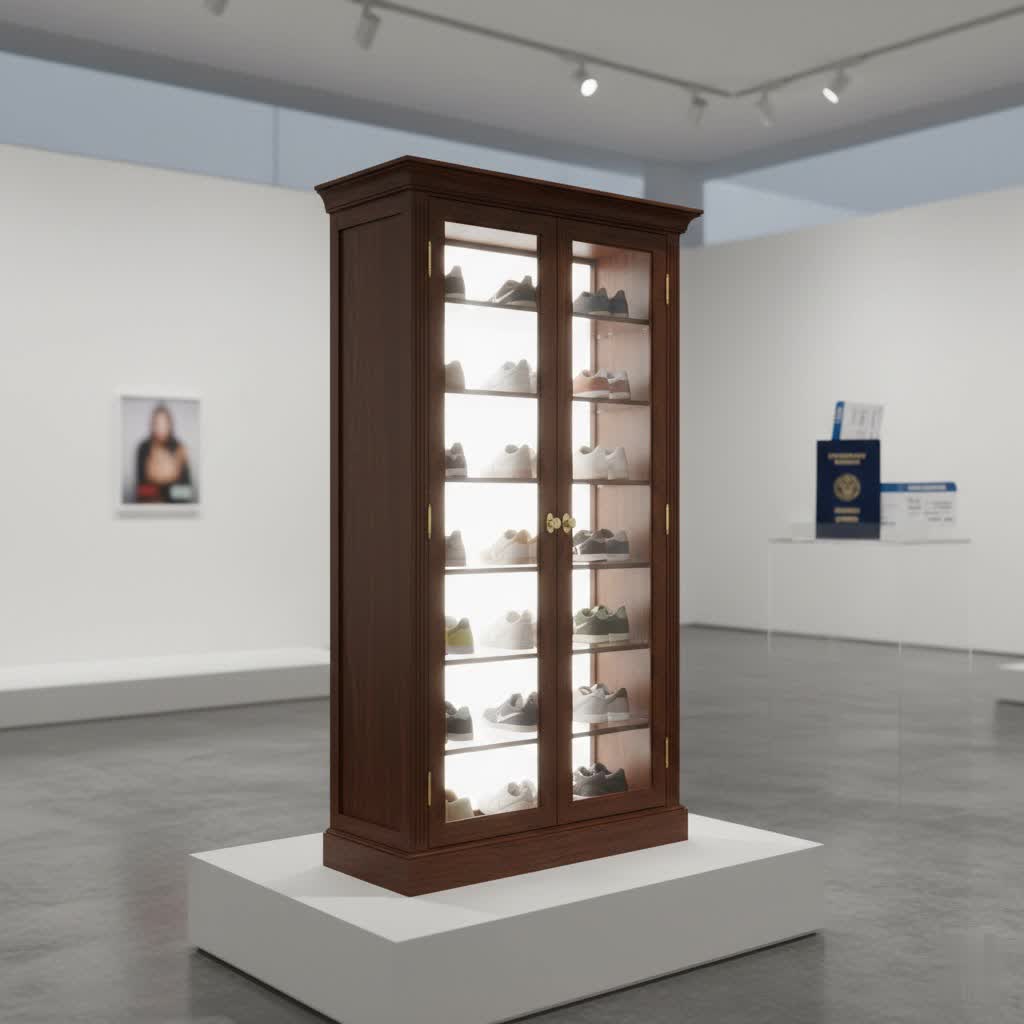
The daily pile of shoes by the door is a common struggle, often turning a welcoming entryway into a chaotic zone. Finding the right shoe rack and cabinet isn’t just about tidiness; it’s about transforming your living space, enhancing functionality, and reflecting your personal style. With over a decade of experience in furniture, especially shoe storage solutions, I’ve seen how market trends and consumer needs constantly evolve. This comprehensive guide, built on practical insights and deep knowledge, aims to equip you with the best advice to make a wise decision for your home.
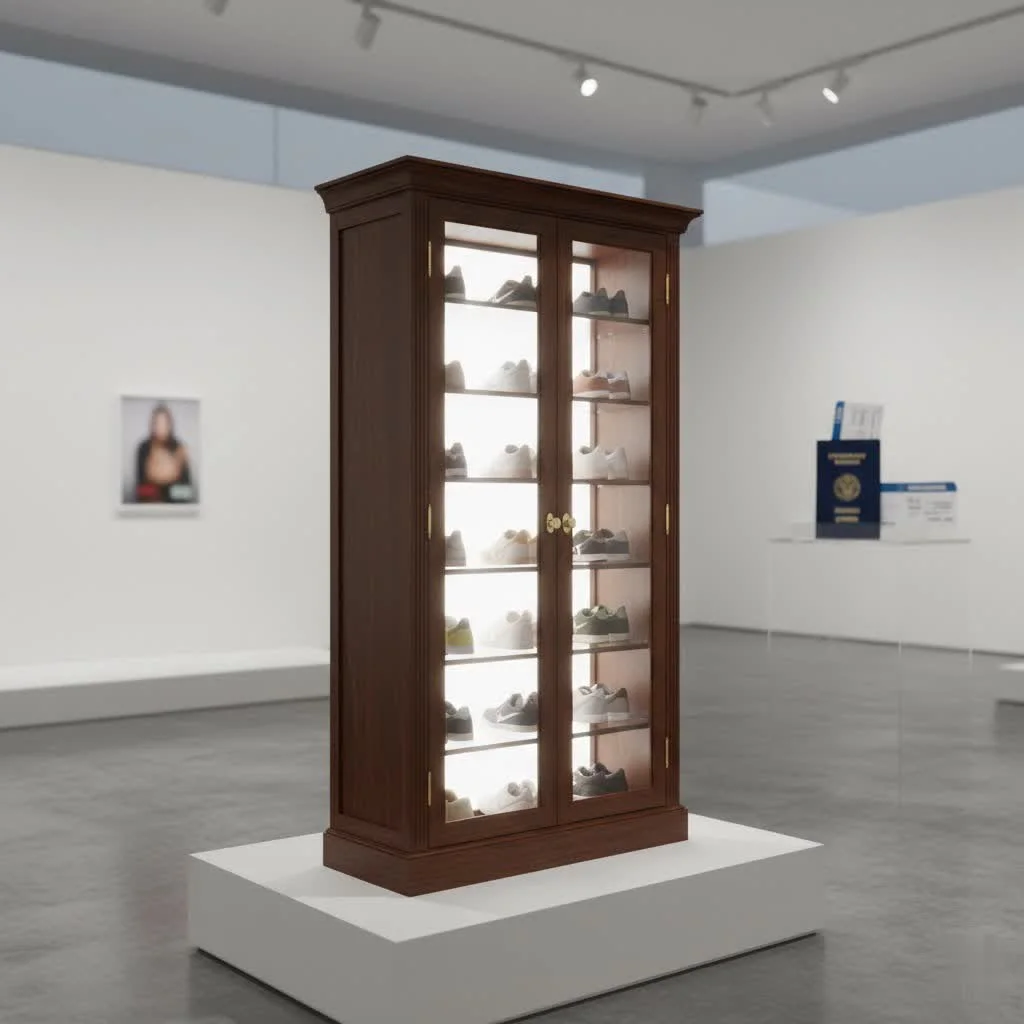
Understanding Different Types of Shoe Storage
When it comes to organizing your footwear, the material of your shoe rack or cabinet plays a pivotal role in its durability, aesthetic appeal, and suitability for your home environmentLet’s explore the most common types available.
Wooden Shoe Cabinets
Wooden shoe cabinets are celebrated for their timeless elegance and robust construction. Available in various finishes like oak, pine, or walnut, they seamlessly integrate into diverse decor styles, from classic to contemporary. These cabinets typically boast excellent load-bearing capacity, making them ideal for storing a substantial collection of shoes.
- Pros: Elegant natural texture, sturdy construction, long service life, can be repainted or repaired.
- Cons: May require periodic maintenance (waxing/oiling), relatively susceptible to moisture, generally higher price point.
- Suited for: Homes with traditional or classic interior designs, those seeking a warm and rich aesthetic, or individuals with extensive shoe collections.
Plastic Shoe Racks and Cabinets
Plastic shoe storage solutions are favored for their affordability and practicality. They come in a wide array of colors and shapes, offering versatility in design. Being lightweight, plastic units are easy to transport and assemble, making them a convenient option for temporary needs or those on a budget.
- Pros: Lightweight and portable, affordable, water-resistant, easy to clean, available in diverse color options.
- Cons: Less durable and aesthetically pleasing compared to wood or metal, limited load-bearing capacity, some may contain chemicals.
- Suited for: Small apartments, temporary storage, damp areas like utility rooms or bathrooms, or individuals with a strict budget.
Metal Shoe Racks and Cabinets
Metal shoe cabinets are recognized for their sleek, modern aesthetic and exceptional durability. Commonly crafted from materials like stainless steel, aluminum, or iron, they feature simple designs that perfectly complement modern or industrial-style interiors. Many metal units come with surface treatments, such as chrome plating or powder coating, to enhance their resistance to moisture and rust.
- Pros: High durability and stability, easy to clean and maintain, suitable for modern design schemes, often rust-resistant when treated.
- Cons: Can feel cold or industrial, may be heavy and difficult to move, susceptible to rust if not properly coated.
- Suited for: Modern, minimalist, or industrial interiors, areas requiring high durability, or for organizing heavier footwear like boots.
Shoe Rack vs. Shoe Cabinet: A Detailed Comparison
Deciding between a shoe rack and a shoe cabinet involves weighing various factors that align with your lifestyle, space, and aesthetic preferences. Both offer distinct advantages in keeping your footwear organized.
Open vs. Closed Design
|
Our Picks for the Best Shoe Cabinet in 2026
As an Amazon Associate I earn from qualifying purchases.
|
||
| Num | Product | Action |
|---|---|---|
| 1 | 32" W Farmhouse Shoe Storage Cabinet with 2 Flip Drawers and Barn Door Design, Adjustable Shelves, Modern Hidden Slim Narrow Shoe Rack Cabinet for Entryway, Foyer, Hallway, Living Room, Blue |

|
| 2 | HOOBRO Shoe Cabinet, 5-Tier Shoe Storage Organizer with Doors, Wooden Shoe Cabinet Storage for Entryway, Freestanding Shoe Rack Cabinet with 3 Adjustable Shelves for Hallway, Gold and White DW41SC01 |
|
| 3 | 32" W Farmhouse Shoe Storage Cabinet with 2 Flip Drawers and Barn Door Design, Adjustable Shelves, Modern Hidden Slim Narrow Shoe Rack Cabinet for Entryway, Foyer, Hallway, Living Room, White |
|
| 4 | Farmhouse Shoe Cabinet with 2 Barn Doors & Wood Legs, 5-Tier Shoe Storage Cabinet with 3 Adjustable Shelves, Tall Shoe Rack Organizer for Closet, Shoe Organizer for Entryway, Hallway, White |
|
| 5 | 32" W Farmhouse Shoe Storage Cabinet with 2 Flip Drawers and Barn Door Design, Adjustable Shelves, Hidden Slim Narrow Shoe Rack Cabinet for Entryway, Foyer, Hallway, Living Room, Rustic Walnut |
|
| 6 | Shoe Cabinet Storage,Modern Freestanding Organizer with 2 Flip Drawers,Narrow Shoe Rack Cabinet for Entryway,Walnut |
|
| 7 | EOYUTLLY Shoe Cabinet for Entryway with 2 Flip Drawers,Narrow Wooden Shoe Storage Cabinet with Metal Legs,Hold 24 Pairs, 4-Tier Adjustable Shelves–Freestanding Hidden Shoe Organizer for Hallway, Foyer |
|
| 8 | 32" W Farmhouse Shoe Storage Cabinet with 2 Flip Drawers and Barn Door Design, Adjustable Shelves, Modern Hidden Slim Narrow Shoe Rack Cabinet for Entryway, Foyer, Hallway, Living Room, BS40A |
|
| 9 | HOOBRO Shoe Cabinet, 5-Tier Shoe Storage Organizer with Doors, Wooden Shoe Cabinet Storage for Entryway, Freestanding Shoe Rack Cabinet with 3 Adjustable Shelves for Hallway, Gold and Black DB41SC01 |
|
| 10 | Collapsible Shoe Rack Organizer 9 Tiers-36 Pairs Foldable Shoe Cabinet with Doors, Large Plastic Folding Shoe Cabinet, Easy Assembly Shoe Shelves Organizer for Entryway, Living Room |
|
Open shoe racks provide easy access and excellent ventilation, which helps prevent odor buildup. They are ideal for frequently used shoes and high-traffic areas where convenience is key. However, shoes are exposed to dust and can make the area look cluttered.
Closed shoe cabinets, on the other hand, conceal shoes behind doors, offering a tidy and organized appearance. They protect footwear from dust and maintain a cleaner aesthetic, making them suitable for formal entryways or living spaces. However, they may lack ventilation, potentially trapping odors, and retrieving shoes takes an extra step.
Side-by-Side Comparison
| Feature | Shoe Rack | Shoe Cabinet |
|---|---|---|
| Price | Generally more affordable | Typically a higher investment |
| Durability | Medium (varies by material) | High (often robust construction) |
| Water Resistance | Varies by material (metal/plastic can be good) | Varies by material (wood needs protection) |
| Design | Open, minimalistic, tiered shelves | Enclosed, sleek, often resembles furniture |
| Style | Casual, utilitarian, functional | Formal, integrated, enhances decor |
| Capacity | Small to medium collections, some stackable options | Typically higher capacity, suitable for large families |
| Aesthetics | Shoes visible, can appear cluttered | Hides clutter, creates a tidy, curated look |
| Ventilation | High (open design allows airflow) | Limited (enclosed design can trap odors) |
| Portability | Lightweight, easy to move and reconfigure | Heavier, less portable once assembled |
Your Guide to Choosing the Perfect Shoe Rack and Cabinet
Selecting the ideal shoe storage solution requires careful consideration of your specific needs, the available space, and your personal style. Let’s break down the key factors to help you make an informed decision.
1. Determine Your Usage Needs
Start by assessing the quantity and type of shoes you need to store. Do you have a small collection of everyday sneakers, or a vast assortment of seasonal boots, heels, and formal wear? Consider how frequently you access certain pairs. Daily-use shoes might benefit from an easily accessible open rack near the entryway, while seasonal items are better suited for a closed cabinet that offers protection from dust and allows for longer-term storage.
2. Choose the Right Material
The material dictates both the look and longevity of your shoe storage. If durability and a traditional aesthetic are priorities, wood is an excellent choice. For those seeking a modern, robust, and easy-to-clean option, metal is ideal. If budget-friendliness, portability, and water resistance are key, especially in damp areas, plastic units offer a practical solution. maintenance requirements for each material to ensure its longevity.
3. Consider Style and Dimensions
The shoe storage you choose should complement your home’s overall interior design. For instance, a wooden cabinet might suit a classic home, while a metal rack fits an industrial or minimalist style. Crucially, measure the exact dimensions (height, width, and depth) of the space where you intend to place the unit. For narrow entryways, a vertical or slim cabinet maximizes storage without obstructing pathways. In wider areas, a horizontal multi-tiered rack or a larger cabinet can be a focal point. under-bed storage options for maximizing space in bedrooms.
4. Evaluate Price and Brand
Your budget will inevitably influence your choice. Shoe racks are generally more economical, offering functional solutions without a significant investment. Shoe cabinets, especially those made from solid wood, represent a more substantial investment but often provide superior durability and a more refined aesthetic. Researching reputable brands known for quality and customer satisfaction can also help ensure you’re getting a product that lasts.
Innovative and Popular Shoe Storage Models
Modern shoe storage solutions go beyond basic racks, offering smart designs that optimize space and enhance functionality.
Smart Shoe Cabinets
These cabinets are designed with innovation in mind, often featuring integrated functionalities. This can include built-in drawers for storing shoe care essentials like polish, brushes, or spare laces, or pull-out shelves that make accessing shoes at the back of deep cabinets effortless. Some smart designs even incorporate ventilation systems to combat odor buildup in enclosed spaces, blending convenience with sophisticated organization.
Wall-Mounted Shoe Racks and Cabinets
Ideal for compact living spaces or narrow entryways, wall-mounted solutions are excellent space-savers. By utilizing vertical space, they keep shoes off the floor, creating a sense of openness and making cleaning easier. These can range from simple wall-mounted racks that display shoes to sleek, discreet cabinets that blend into the wall, offering a minimalist aesthetic without occupying precious floor area.
Multifunctional Shoe Storage Units
Maximizing utility, multifunctional shoe storage units combine several features into one piece of furniture. A popular example is an entryway bench with integrated shoe storage, allowing you to comfortably sit while putting on or taking off shoes, then neatly tuck them away. Other units may include coat hooks, shelving for keys and mail, or even small decorative surfaces, making them versatile additions to a hallway or mudroom.
“A well-chosen shoe cabinet isn’t just a place to store footwear; it’s a vital element in creating a tidy and aesthetically pleasing living environment.”
Conclusion
The journey to an organized home begins with thoughtful storage solutions, and choosing the perfect shoe rack and cabinet is no exception. By considering your specific needs, evaluating different materials, understanding the nuances between open racks and closed cabinets, and exploring innovative designs, you can transform cluttered entryways into welcoming, orderly spaces. the best choice is one that harmonizes with your home’s aesthetic, fits your lifestyle, and efficiently manages your footwear collection.
Are you ready to discover the shoe storage solution that truly elevates your home?
Frequently Asked Questions
Which material should I choose for a shoe cabinet in an apartment?
For apartment living, consider materials like metal or well-treated plastic for durability and ease of cleaning, especially if space is limited. Wood offers aesthetic appeal but might require more maintenance in humid conditions. A slim, vertical, or wall-mounted design can maximize space without overcrowding.
How many pairs of shoes can a standard shoe rack hold?
The capacity of a standard shoe rack varies significantly based on its design and size, but most typically hold between 10 to 15 pairs. Larger, multi-tiered racks or dedicated shoe cabinets can accommodate many more, especially for extensive collections.
Should I opt for an open or closed shoe storage design?
The choice between an open shoe rack and a closed shoe cabinet depends on your priorities. Open racks provide easy access and ventilation but expose shoes to dust. Closed cabinets offer a tidier look and dust protection, ideal for a clutter-free aesthetic, though ventilation can be a concern.
How do I maintain and clean my shoe storage?
Regular maintenance involves wiping down your shoe rack or cabinet with a damp cloth to remove dust and dirt. For wooden units, occasional polishing helps maintain their finish. Metal racks benefit from rust-resistant sprays in humid areas, while plastic units are easily cleaned with mild soap and water. Ensure good airflow to prevent moisture buildup, especially in closed cabinets.
Can shoe racks help prevent damage to my footwear?
Yes, shoe racks can help prevent damage by keeping shoes off the floor, minimizing scuffs, and maintaining their shape. The open design of many racks allows for proper air circulation, which helps prevent moisture buildup, mold, and odors, ultimately extending the lifespan of your shoes.
Get our weekly buyer guide
Practical specs, not advice. Unsubscribe anytime.

I finally pulled the trigger on a wooden shoe cabinet after reading about the different material types. It looks so much nicer than the wire rack we had before, and it really helps keep our entryway from looking like a shoe explosion. Assembly was pretty straightforward, and it feels very sturdy. Definitely recommend for anyone tired of shoe clutter!
I was so tired of the chaotic zone by our front door! After reading about enhancing functionality, I invested in a larger shoe cabinet with doors. It completely hides all the shoes, making our entryway look so much cleaner and more welcoming. It’s amazing how much of a difference a good storage solution makes. Best purchase for our home in a long time!
This guide really helped me think about how to transform my living space, not just hide shoes. I ended up getting a slim, vertical shoe cabinet for our narrow hallway, and it’s made such a difference. It blends in well and keeps everything tidy without taking up too much room. My only minor complaint is that the instructions could have been a little clearer.
I got one of the smaller shoe racks mentioned for our mudroom, and while it does the job, I wish it had a bit more space between shelves. My husband’s boots barely fit, and it’s a tight squeeze for my taller sneakers. It’s good for everyday shoes, but if you have a lot of high-tops or boots, you might want to measure carefully.