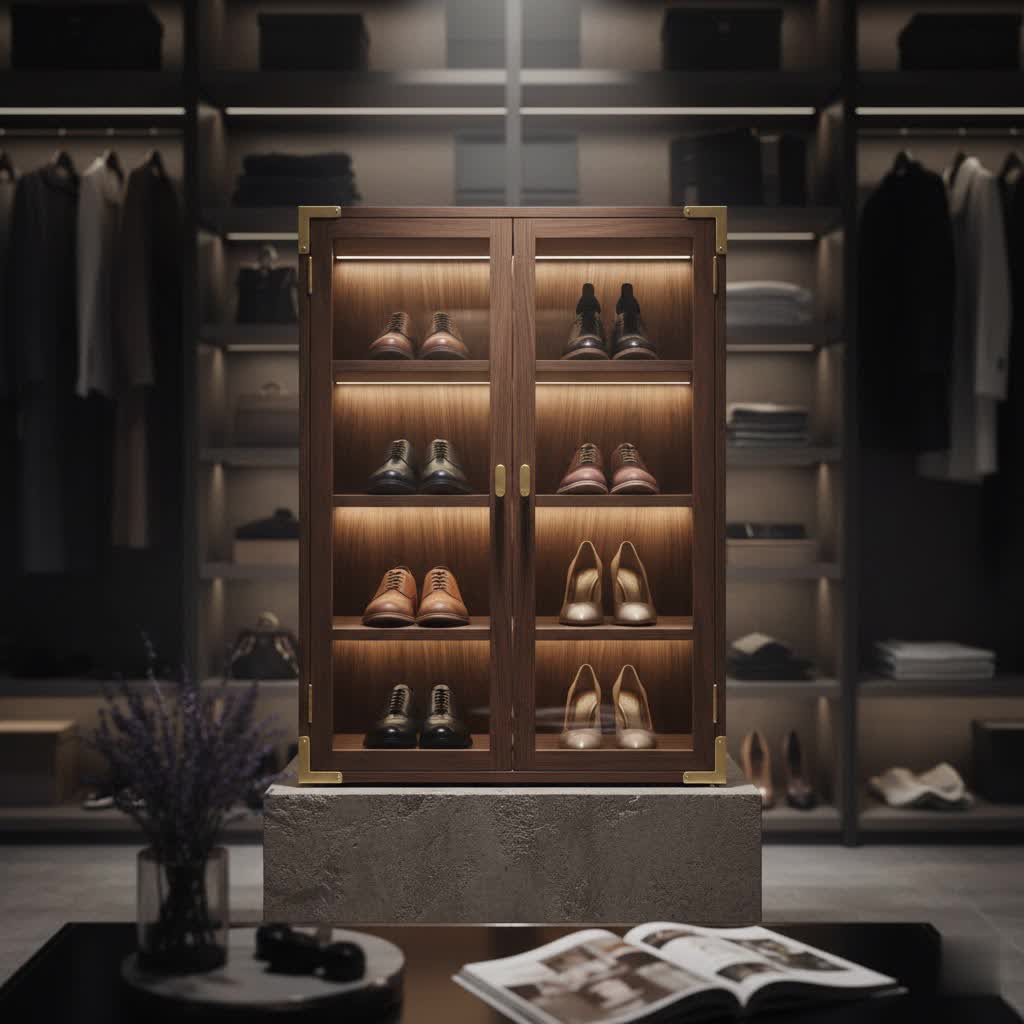
A well-chosen shoe storage entryway cabinet is more than just a functional item; it’s a statement of style and a cornerstone of an organized home. The market offers diverse solutions, including wooden, plastic, and metal cabinets, as well as multi-functional benches and wall-mounted units, each catering to different needs, spaces, and aesthetic preferences. For example, wooden cabinets offer classic elegance and durability, while plastic options are budget-friendly and waterproof, ideal for humid environments.
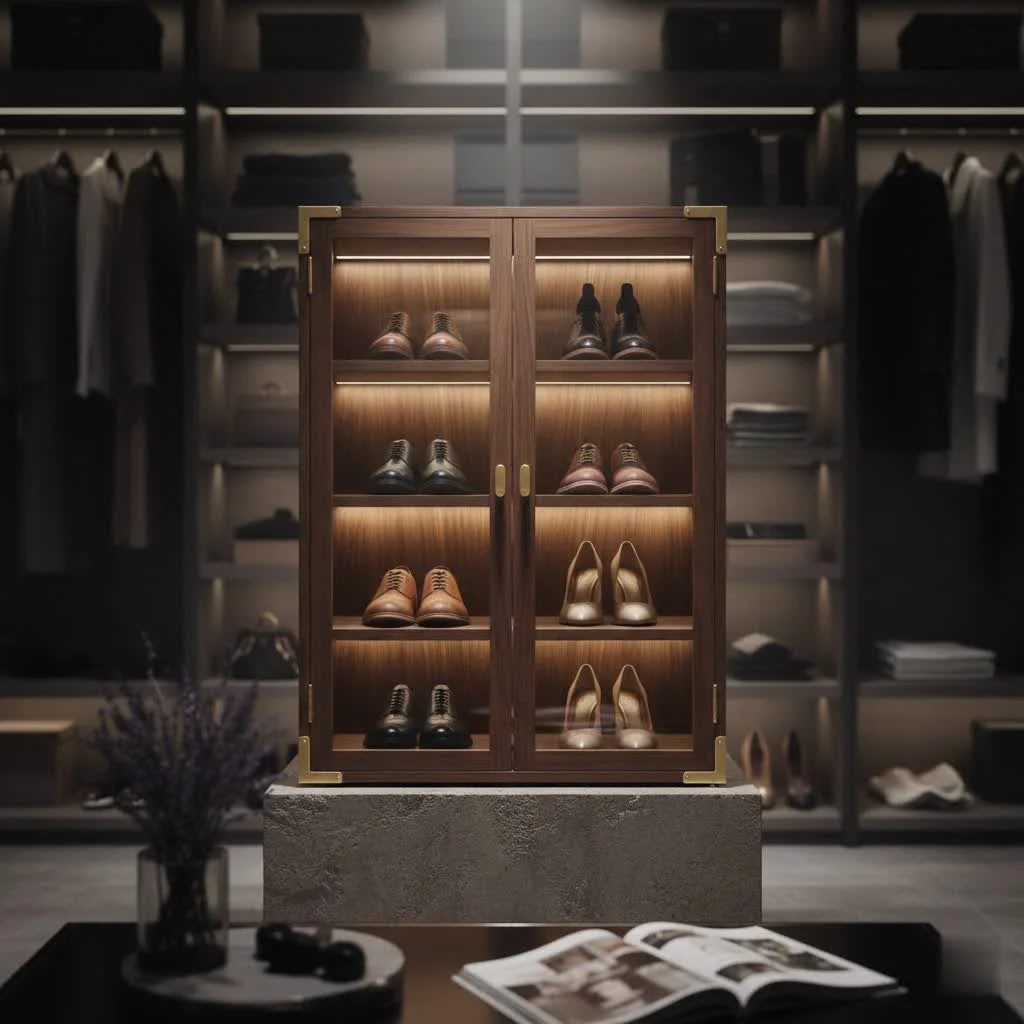
Popular Entryway Shoe Storage Cabinet Types
The market offers a diverse array of shoe storage solutions, each designed to cater to different needs, spaces, and aesthetic preferences. Understanding the unique characteristics of each type is the first step towards making an informed decision for your home. For complete shoe storage library on this site.
Wooden Shoe Cabinets
Wooden shoe cabinets are a timeless choice, offering a classic elegance that can enhance almost any interior. They exude warmth and can be incredibly durable when properly maintained.
- Advantages: Wooden cabinets boast a luxurious appearance, exceptional durability, and come in a vast range of designs and finishes, from rustic oak to sleek, modern walnut.
- Disadvantages: Typically higher in price, they can also be susceptible to moisture damage or pests like termites if the wood isn’t adequately treated or sealed.
- Best Suited For: Homes with traditional or neoclassical interior styles where natural materials and sophisticated aesthetics are prioritized.
Plastic Shoe Cabinets
For those seeking an economical and practical solution, plastic shoe cabinets present a viable option, particularly in moisture-prone areas.
- Advantages: These cabinets are budget-friendly, inherently waterproof, and incredibly easy to clean, making them ideal for utility areas or homes with active families.
- Disadvantages: Plastic generally offers less durability and a more limited range of sophisticated designs compared to wood or metal.
- Best Suited For: Smaller entryways, apartments, or humid environments where practicality and cost-effectiveness are key.
Metal Shoe Cabinets
Metal shoe cabinets bring a contemporary, often industrial, edge to an entryway. They are known for their strength and clean lines.
- Advantages: Highly sturdy and durable, metal cabinets can withstand significant wear and tear. Their sleek design complements modern interiors beautifully.
- Disadvantages: Without proper electrostatic powder coating, metal can be prone to rust, especially in damp conditions. Designs can sometimes feel less “warm” than wood.
- Best Suited For: Industrial or minimalist decor themes, offering a robust and stylish storage solution.
Multi-functional Shoe Benches
Combining seating with storage, shoe benches are a clever solution for entryways where space allows for a dual-purpose furniture piece. They provide a convenient spot to sit while putting on or taking off shoes. Many designs include cubbies, pull-out drawers, or lift-top storage compartments. These are particularly useful in small entryways as they fulfill two needs in one.
Wall-Mounted Shoe Racks/Cabinets
|
Our Picks for the Best Shoe Cabinet in 2026
As an Amazon Associate I earn from qualifying purchases.
|
||
| Num | Product | Action |
|---|---|---|
| 1 | Farmhouse Shoe Cabinet with 2 Barn Doors & Wood Legs, 5-Tier Shoe Storage Cabinet with 3 Adjustable Shelves, Tall Shoe Rack Organizer for Closet, Shoe Organizer for Entryway, Hallway, White |

|
| 2 | 32" W Farmhouse Shoe Storage Cabinet with 2 Flip Drawers and Barn Door Design, Adjustable Shelves, Hidden Slim Narrow Shoe Rack Cabinet for Entryway, Foyer, Hallway, Living Room, Rustic Walnut |
|
| 3 | 32" W Farmhouse Shoe Storage Cabinet with 2 Flip Drawers and Barn Door Design, Adjustable Shelves, Modern Hidden Slim Narrow Shoe Rack Cabinet for Entryway, Foyer, Hallway, Living Room, White |
|
| 4 | HOOBRO Shoe Cabinet, 5-Tier Shoe Storage Organizer with Doors, Wooden Shoe Cabinet Storage for Entryway, Freestanding Shoe Rack Cabinet with 3 Adjustable Shelves for Hallway, Gold and White DW41SC01 |
|
| 5 | HOOBRO Shoe Cabinet, 5-Tier Shoe Storage Organizer with Doors, Wooden Shoe Cabinet Storage for Entryway, Freestanding Shoe Rack Cabinet with 3 Adjustable Shelves for Hallway, Gold and Black DB41SC01 |
|
| 6 | EOYUTLLY Shoe Cabinet for Entryway with 2 Flip Drawers,Narrow Wooden Shoe Storage Cabinet with Metal Legs,Hold 24 Pairs, 4-Tier Adjustable Shelves–Freestanding Hidden Shoe Organizer for Hallway, Foyer |
|
| 7 | Shoe Cabinet Storage,Modern Freestanding Organizer with 2 Flip Drawers,Narrow Shoe Rack Cabinet for Entryway,Walnut |
|
| 8 | 32" W Farmhouse Shoe Storage Cabinet with 2 Flip Drawers and Barn Door Design, Adjustable Shelves, Modern Hidden Slim Narrow Shoe Rack Cabinet for Entryway, Foyer, Hallway, Living Room, BS40A |
|
| 9 | 32" W Farmhouse Shoe Storage Cabinet with 2 Flip Drawers and Barn Door Design, Adjustable Shelves, Modern Hidden Slim Narrow Shoe Rack Cabinet for Entryway, Foyer, Hallway, Living Room, Blue |
|
| 10 | Collapsible Shoe Rack Organizer 9 Tiers-36 Pairs Foldable Shoe Cabinet with Doors, Large Plastic Folding Shoe Cabinet, Easy Assembly Shoe Shelves Organizer for Entryway, Living Room |
|
When floor space is at a premium, wall-mounted units are an excellent choice. They keep shoes off the ground, creating a sense of openness and making cleaning a breeze. Some feature slim, tilt-out drawers that minimize their footprint.
Tall & Rotating Shoe Organizers
For extensive shoe collections or very compact spaces, tall, vertical cabinets or innovative rotating shoe racks offer maximum capacity within a minimal footprint. Rotating designs typically spin 180 degrees, providing easy access to numerous pairs while maintaining a neat appearance.
Comparing Entryway Shoe Storage Cabinet Types
Choosing the ideal shoe storage entryway cabinet often comes down to a balance of various factors. This table provides a quick comparison to help you weigh your options.
| Criterion | Wooden Shoe Cabinet | Plastic Shoe Cabinet | Metal Shoe Cabinet | Shoe Bench | Wall-Mounted Cabinet |
|---|---|---|---|---|---|
| Cost | High | Low | Medium | Medium-High | Medium |
| Durability | High (with care) | Low | High | Medium-High | Medium-High |
| Water Resistance | Low (unless treated) | High | Medium (if powder-coated) | Varies by material | Varies by material |
| Design Variety | High | Low | Medium | Medium | Medium |
| Style Match | Classic, Traditional, Rustic | Modern, Casual | Industrial, Modern, Minimalist | Casual, Modern, Farmhouse | Modern, Minimalist |
| Space Saving | Medium | Medium-High | Medium | Medium (dual function) | High |
| Odor Control | Medium (needs ventilation) | Medium (needs ventilation) | High (often open/vented) | Medium (needs ventilation) | Medium (needs ventilation) |
Your Essential Buying Guide for Entryway Shoe Storage
Selecting the perfect shoe storage entryway cabinet involves more than just picking a pretty piece of furniture. It’s about finding a solution that fits your lifestyle, space, and aesthetic preferences.
1. Assess Your Storage Needs
Start by taking inventory. How many pairs of shoes do you and your household own? What types of shoes are they (tall boots, heels, sneakers, flats)? This will help determine the necessary capacity and internal configuration (e.g., adjustable shelves for boots). For 10 pairs or fewer, a compact rack or bench might suffice. For 20-30 pairs, a standard shoe cabinet is often ideal, while 30 or more pairs might warrant a tall or rotating cabinet.
2. Measure Your Entryway Space
Accurate measurements are paramount. Note the height, width, and depth of the area where you plan to place the shoe cabinet. Account for adequate clearance: you’ll need at least 24 inches of clear space in front of the cabinet for comfortable access and to avoid obstructing doorways or walkways. For narrow entryways (less than 47 inches wide), slim or wall-mounted designs are excellent choices.
3. Choose the Right Material
The material dictates durability, maintenance, and overall aesthetic.
- Solid Wood: Offers superior durability and a classic look, resistant to moisture if properly treated, with a lifespan often exceeding 10-15 years.
- Engineered Wood (MDF/Particleboard): More affordable, offers a wide range of finishes, but generally less durable than solid wood and more susceptible to moisture damage.
- Metal: Excellent for sturdiness and a modern, industrial feel. Look for powder-coated options to prevent rust.
- Plastic/Fabric: Best for temporary or budget-friendly solutions, highly water-resistant, but less robust for long-term use.
4. Consider Style and Design
Your shoe cabinet should complement your home’s existing decor.
- Traditional: Look for wooden cabinets with intricate details or classic finishes.
- Modern/Minimalist: Opt for sleek lines, neutral colors, and materials like metal or engineered wood.
- Farmhouse/Rustic: Rattan, distressed wood, or simple, sturdy designs fit well.
- Consider features like closed doors for a tidy look, or open shelves for easy access to frequently worn shoes. Some cabinets offer integrated features like a mirror or extra drawers for keys and mail, enhancing functionality.
5. Prioritize Ventilation
To prevent odors and mold, especially in closed shoe cabinets, ventilation is crucial. Look for designs with slatted doors, discreet cutouts, or breathable materials that allow air to circulate. Placing odor absorbers like activated charcoal or cedar blocks can also help keep shoes fresh.
6. Factor in Price and Brand Reputation
Set a budget, but investing in a quality piece can save you money in the long run. Research reputable brands known for their craftsmanship and customer service. Reading reviews can provide valuable insights into a product’s real-world performance and assembly difficulty.
The Most Popular Entryway Shoe Cabinet Models Today
Modern shoe storage solutions go beyond simple racks, integrating smart design and multi-functionality to optimize your entryway.
Smart Shoe Cabinets
These contemporary designs often feature sleek profiles, integrated LED lighting, and sometimes even touch-sensitive opening mechanisms. They are designed for maximum space efficiency and aesthetic appeal, perfect for the tech-savvy homeowner looking for a seamless, elegant solution. Many feature multiple tilt-out drawers that can accommodate various shoe sizes while maintaining a slim footprint.
Wall-Mounted Wonders
Ideal for small apartments or narrow hallways, wall-mounted shoe cabinets free up valuable floor space, making the entryway feel larger and easier to clean. They can be particularly useful for creating a minimalist look while providing ample hidden storage.
Multi-functional Marvels
Beyond just holding shoes, many popular entryway cabinets today offer integrated features. Think shoe benches with hidden storage beneath the seat, hall trees that combine shoe storage with coat hooks and a seating area, or cabinets with additional shelves for displaying decor, stashing keys, or holding bags. These pieces are crucial for optimizing limited entryway real estate.
“A good shoe cabinet is not just a place to store footwear; it’s an essential element in creating a tidy, welcoming, and aesthetically pleasing living space from the moment you walk through the door.”
Conclusion
Choosing the right shoe storage entryway cabinet can transform a chaotic entrance into an inviting and organized space, reflecting your personal style and enhancing daily living. By carefully considering your storage needs, available space, material preferences, and desired aesthetic, you can find a cabinet that not only houses your footwear but also elevates your home’s first impression. From elegant wooden cabinets to smart, space-saving designs, there’s a perfect solution out there waiting to bring order and charm to your entryway. What kind of shoe storage cabinet will you choose to improve your home?
Frequently Asked Questions
Frequently Asked Questions
Which shoe cabinet material is best for high humidity areas?
For high humidity areas, plastic or powder-coated metal are often superior due to their inherent resistance to moisture and mold. If you prefer wood, opt for treated or sealed solid wood and ensure adequate ventilation within the cabinet to prevent damage.
How do I prevent odors in a closed shoe cabinet?
To prevent odors, ensure shoes are clean and dry before storing them. Choose cabinets with ventilation features like slatted doors or air cutouts. Placing odor absorbers such as activated charcoal bags or cedar blocks inside the cabinet also helps keep shoes fresh.
How much space should I leave in front of an entryway shoe cabinet?
It is recommended to leave at least 24 inches (approximately 60 cm) of clear space in front of your shoe storage entryway cabinet. This ensures comfortable access to shoes and prevents the cabinet from obstructing the flow of traffic in your entryway.
Are solid wood shoe cabinets a worthwhile investment?
Yes, solid wood shoe cabinets are generally considered a worthwhile investment. They offer superior durability, a long lifespan (often 10-15 years or more), and a timeless aesthetic that can enhance your home's value. Good quality solid wood, if properly cared for, is also resistant to moisture and suitable for long-term use.
Can a shoe cabinet double as a seating area?
Absolutely! Shoe benches are a popular multi-functional option that combines shoe storage with a comfortable seating area. They are perfect for entryways, mudrooms, or even bedrooms, providing a convenient spot to sit while putting on or taking off shoes, often with hidden storage underneath.
How to Choose the Perfect Entryway Shoe Storage Cabinet
Selecting the ideal shoe storage cabinet involves assessing your needs, measuring your space, choosing the right material, considering style, prioritizing ventilation, and factoring in price and brand reputation.
Count the number and types of shoes you own to determine the necessary capacity and internal configuration. For example, 20-30 pairs typically require a standard shoe cabinet, while 30+ pairs may need a tall or rotating cabinet.
Accurately measure the height, width, and depth of your intended area. Ensure at least 24 inches of clear space in front of the cabinet for comfortable access. For narrow entryways (under 47 inches wide), consider slim or wall-mounted designs.
Select a material based on durability, maintenance, and aesthetic. Solid wood offers superior durability and a classic look, while metal provides sturdiness and a modern feel. Plastic is budget-friendly and water-resistant for temporary solutions.
Ensure the cabinet complements your home's existing decor, whether traditional, modern, or rustic. Look for features like closed doors for a tidy appearance or open shelves for easy access to frequently worn shoes.
To prevent odors and mold, especially in closed cabinets, choose designs with slatted doors or discreet cutouts. Good ventilation allows air to circulate, keeping shoes fresh and extending their lifespan.
Get our weekly buyer guide
Practical specs, not advice. Unsubscribe anytime.

We have a small apartment, so I was really interested in the wall-mounted units mentioned. We ended up getting a sleek metal one, and it’s perfect for saving floor space. It holds a surprising number of shoes without looking bulky. It was a bit of a project to install, but now that it’s up, I love how clean and modern it looks.
I got one of the plastic shoe storage options because I needed something budget-friendly and waterproof for our mudroom. It does the job and keeps the wet boots contained, which is great. My only complaint is that it feels a bit flimsy compared to what I was expecting, and the assembly was a little trickier than I thought it would be.
The multi-functional bench idea was exactly what I needed for our entryway. We found one with hidden shoe storage inside, and it’s fantastic. Not only does it keep all our shoes neatly tucked away, but it also provides a convenient spot to sit down and put them on. It’s made our morning routine so much smoother.
I finally pulled the trigger on a wooden shoe cabinet for our entryway, and it’s been a game-changer! The classic elegance really elevates the space, and it feels so much more organized now. No more tripping over shoes right inside the door. It was definitely worth the investment for the durability and look.