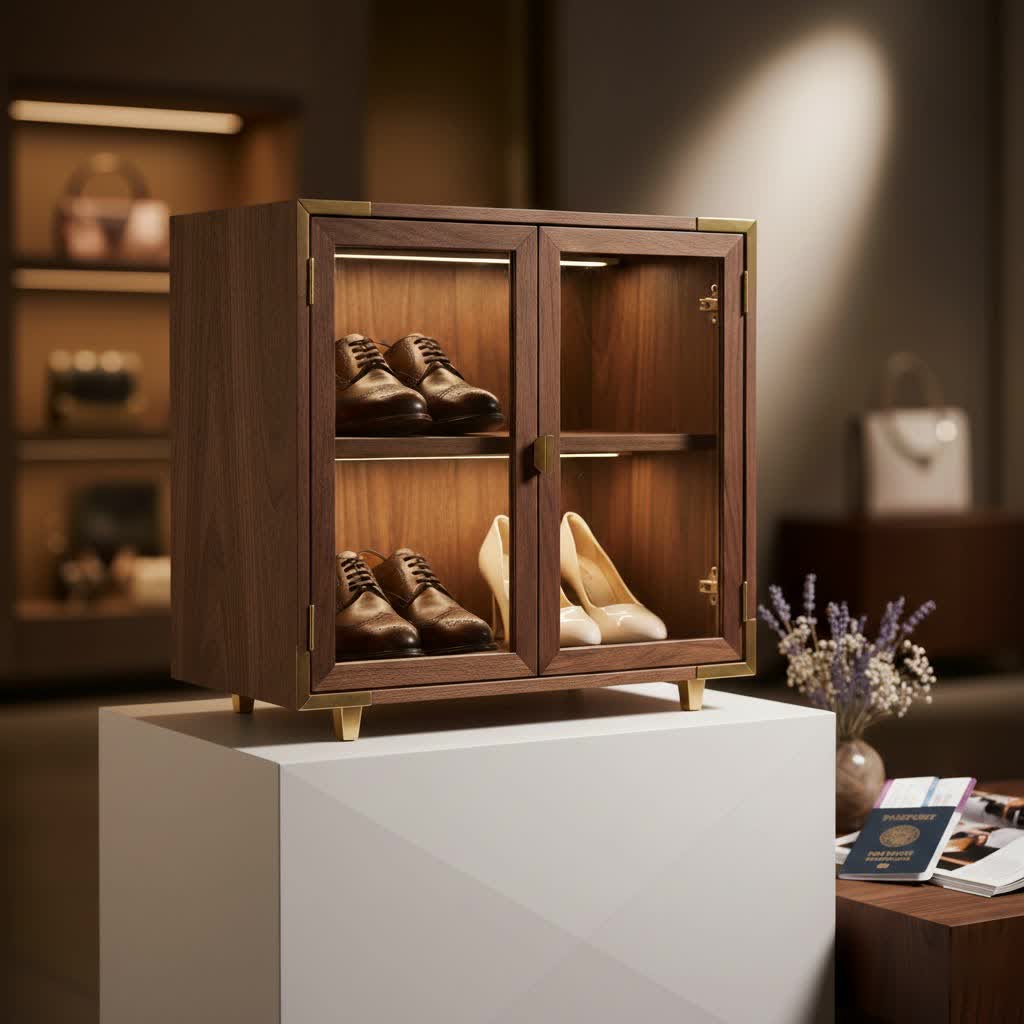
A sliding door shoe cabinet is an excellent space-saving storage solution, particularly beneficial for narrow entryways, hallways, or bedrooms where traditional swing doors would obstruct movement. These cabinets blend seamless aesthetics with remarkable functionality, helping to organize footwear and enhance a home’s overall style. They are available in various materials like wood, plastic, and metal, each offering distinct advantages in terms of durability, appearance, and cost.
Popular Types of Shoe Cabinets
When considering a shoe cabinet, the material choice significantly influences its appearance, durability, and suitability for different environments. Sliding doors can be integrated into various material types, each offering distinct advantages. For more shoe storage guides on this site.
Wooden Shoe Cabinets
Wooden shoe cabinets, encompassing solid wood, engineered wood (like MDF or particle board), and plywood, are a classic choice for their timeless appeal and robustness.
- Pros: Offer a sophisticated and natural aesthetic, diverse range of finishes and designs (from rustic to modern), and generally high durability. Solid wood is particularly long-lasting.
- Cons: Can be more expensive, and untreated wood may be susceptible to moisture and pests. Engineered wood options are more budget-friendly but may not offer the same longevity.
- Best for: Homes with traditional, classic, Scandinavian, or minimalist interior styles, providing a warm and inviting feel.
Plastic Shoe Cabinets
Plastic shoe cabinets are often chosen for their affordability and practicality, especially in moisture-prone areas.
- Pros: Lightweight, water-resistant, easy to clean, and generally inexpensive.
- Cons: Tend to have a less premium look, can be less durable than wood or metal, and design options may be limited.
- Best for: Utility rooms, garages, or areas where cost-effectiveness and moisture resistance are primary concerns.
Metal Shoe Cabinets
Metal shoe cabinets bring a contemporary, often industrial, edge to home decor.
- Pros: Exceptional durability and strength, modern aesthetic, and resistance to pests. Often feature sleek, minimalist designs.
- Cons: Can be heavier, may be prone to rust if not properly coated (e.g., powder-coated or galvanized), and can sometimes be noisy when opening/closing.
- Best for: Industrial, minimalist, or modern decor schemes, and in high-traffic areas requiring robust storage.
Comparing Different Shoe Cabinet Materials
Choosing the right material involves balancing cost, durability, aesthetics, and maintenance. Here’s a comparative overview:
| Feature | Wooden Shoe Cabinets | Plastic Shoe Cabinets | Metal Shoe Cabinets |
|---|---|---|---|
| Price Range | High (Solid Wood), Medium (Engineered Wood) | Low | Medium to High |
| Durability | High (Solid Wood), Moderate (Engineered Wood) | Low to Moderate | High |
| Water Resistance | Low (unless treated/laminated) | High | Moderate (if powder-coated) |
| Aesthetics | Classic, Versatile, Elegant | Basic, Functional | Modern, Industrial, Sleek |
| Maintenance | Regular dusting, occasional polishing | Easy to wipe clean | Easy to wipe clean, check for rust |
| Ventilation | Can be designed with slats/louvers | Often solid, needs added vents | Can be perforated for ventilation |
Your Guide to Choosing a Sliding Door Shoe Cabinet
Selecting the perfect sliding door shoe cabinet involves careful consideration of your specific needs, the available space, and your home’s aesthetic.
Assess Your Storage Needs and Space
|
Our Picks for the Best Shoe Cabinet in 2026
As an Amazon Associate I earn from qualifying purchases.
|
||
| Num | Product | Action |
|---|---|---|
| 1 | Farmhouse Shoe Cabinet with 2 Barn Doors & Wood Legs, 5-Tier Shoe Storage Cabinet with 3 Adjustable Shelves, Tall Shoe Rack Organizer for Closet, Shoe Organizer for Entryway, Hallway, White |

|
| 2 | 32" W Farmhouse Shoe Storage Cabinet with 2 Flip Drawers and Barn Door Design, Adjustable Shelves, Hidden Slim Narrow Shoe Rack Cabinet for Entryway, Foyer, Hallway, Living Room, Rustic Walnut |
|
| 3 | 32" W Farmhouse Shoe Storage Cabinet with 2 Flip Drawers and Barn Door Design, Adjustable Shelves, Modern Hidden Slim Narrow Shoe Rack Cabinet for Entryway, Foyer, Hallway, Living Room, White |
|
| 4 | HOOBRO Shoe Cabinet, 5-Tier Shoe Storage Organizer with Doors, Wooden Shoe Cabinet Storage for Entryway, Freestanding Shoe Rack Cabinet with 3 Adjustable Shelves for Hallway, Gold and Black DB41SC01 |
|
| 5 | 32" W Farmhouse Shoe Storage Cabinet with 2 Flip Drawers and Barn Door Design, Adjustable Shelves, Modern Hidden Slim Narrow Shoe Rack Cabinet for Entryway, Foyer, Hallway, Living Room, Blue |
|
| 6 | Collapsible Shoe Rack Organizer 9 Tiers-36 Pairs Foldable Shoe Cabinet with Doors, Large Plastic Folding Shoe Cabinet, Easy Assembly Shoe Shelves Organizer for Entryway, Living Room |
|
| 7 | HOOBRO Shoe Cabinet, 5-Tier Shoe Storage Organizer with Doors, Wooden Shoe Cabinet Storage for Entryway, Freestanding Shoe Rack Cabinet with 3 Adjustable Shelves for Hallway, Gold and White DW41SC01 |
|
| 8 | Shoe Cabinet Storage,Modern Freestanding Organizer with 2 Flip Drawers,Narrow Shoe Rack Cabinet for Entryway,Walnut |
|
| 9 | 32" W Farmhouse Shoe Storage Cabinet with 2 Flip Drawers and Barn Door Design, Adjustable Shelves, Modern Hidden Slim Narrow Shoe Rack Cabinet for Entryway, Foyer, Hallway, Living Room, BS40A |
|
| 10 | EOYUTLLY Shoe Cabinet for Entryway with 2 Flip Drawers,Narrow Wooden Shoe Storage Cabinet with Metal Legs,Hold 24 Pairs, 4-Tier Adjustable Shelves–Freestanding Hidden Shoe Organizer for Hallway, Foyer |
|
Before anything else, measure the area where you intend to place the cabinet. Sliding doors are particularly advantageous for narrow hallways or tight spaces where traditional swing doors would obstruct traffic or other furniture. Consider:
- Quantity of Footwear: How many pairs do you need to store? This will determine the required capacity and number of shelves.
- Types of Shoes: Do you primarily store flats, sneakers, or a mix that includes high heels and boots? Adjustable shelves are crucial for accommodating various shoe heights. A proper shoe cabinet depth should be at least 20 cm to accommodate most shoes without them protruding.
- Location: An entryway cabinet might benefit from a multi-functional design with a top surface for keys or decor, while a bedroom cabinet might prioritize maximum shoe capacity.
Material and Durability
The material impacts not only the look but also the cabinet’s lifespan and resistance to wear and tear.
- Longevity: Solid wood and high-quality metal offer superior durability. Engineered wood provides a good balance of cost and performance.
- Environment: For humid areas, consider materials like treated wood, plastic, or powder-coated metal that offer better moisture resistance.
- Aesthetic Match: Choose a material and finish that complements your existing interior decor. Wood offers warmth, metal provides a modern edge, and mirrored or glass sliding doors can add a touch of elegance and visually expand the space.
Design and Features
Modern sliding door shoe cabinets come with an array of features designed to enhance functionality and aesthetic appeal.
- Ventilation: Proper ventilation is key to preventing odors and mold, especially for damp shoes. Look for cabinets with louvered doors, slatted shelves, or discreet ventilation holes.
- Adjustable Shelves: This feature allows you to customize the interior layout, making space for boots or larger items as needed.
- Sliding Mechanism Quality: The quality of the tracks and pulleys (often made of plastic, wear-resistant nylon, or steel balls) determines how smoothly and silently the doors operate. Investing in good hardware ensures long-term satisfaction.
- Additional Features: Some cabinets include integrated seating, mirrors, or display areas, adding versatility.
Budget and Brand
Set a realistic budget and explore reputable brands known for quality and customer service. While cheaper options exist, investing in a well-constructed cabinet with durable sliding mechanisms can save you money and frustration in the long run.
“A well-chosen shoe cabinet with sliding doors is more than just a storage unit; it’s a silent guardian of tidiness and a statement of discerning style, especially when space is a premium.”
Popular Sliding Door Shoe Cabinet Designs Today
The market for sliding door shoe cabinets is continuously evolving, offering innovative designs that cater to both aesthetics and utility.
Smart & Multifunctional Designs
Many contemporary designs go beyond simple shoe storage. These cabinets often integrate additional features such as:
- Integrated Seating: A built-in bench allows for comfortable shoe changes in the entryway.
- Hidden Storage: Compartments for keys, wallets, or other essentials, maintaining a clutter-free surface.
- Display Tops: A flat top surface can serve as a display area for decorative items, lamps, or small plants, enhancing the entryway’s welcoming ambiance.
Wall-Mounted Options
For extremely compact spaces or a minimalist aesthetic, wall-mounted sliding door shoe cabinets are an excellent choice. They free up floor space, making the area feel larger and easier to clean. While less common for deep sliding door cabinets, narrow versions can benefit from this space-saving approach, often featuring shallow, tilt-out shelves hidden behind the sliding panel.
Sleek, Modern Aesthetics
Today’s designs often emphasize clean lines, geometric patterns, and sophisticated finishes.
- Mirrored Doors: Visually enlarge narrow spaces and provide a convenient spot for a last-minute check before heading out.
- Geometric Patterns: Add a stylish, contemporary touch, turning a functional item into a piece of decorative furniture.
- Handle-less Designs: Create a seamless, streamlined look that integrates effortlessly into modern interiors.
Conclusion
A sliding door shoe cabinet is an indispensable piece of furniture for anyone looking to maximize space, maintain order, and elevate their home’s aesthetic. From preventing entryway clutter to offering a sleek design element, its advantages are clear. By carefully considering your storage needs, material preferences, and desired features, you can choose a cabinet that not only serves its purpose efficiently but also reflects your personal style and enhances your living environment. Ready to improve your space with elegant shoe storage? Which design element—space-saving, aesthetic appeal, or organization—is most crucial for your ideal sliding door shoe cabinet?
Frequently Asked Questions
What is the ideal depth for a sliding door shoe cabinet?
For practical storage, an ideal depth for a shoe cabinet is generally at least 20 cm (approximately 8 inches). This depth allows most standard shoe sizes to fit comfortably without protruding, ensuring the sliding doors can operate smoothly and keep your footwear neatly concealed. However, for larger shoes like boots or men’s sizes, you might need a cabinet with a greater depth of 30-35 cm or adjustable shelves.
Are sliding door shoe cabinets good for ventilation?
Sliding door shoe cabinets can present ventilation challenges compared to open racks because their enclosed design limits airflow. This can lead to trapped odors or moisture if wet shoes are stored. To mitigate this, look for cabinets specifically designed with ventilation features such as louvered doors, slatted shelves, or discrete air vents. Ensuring shoes are dry before storage also significantly helps prevent odor and mold buildup.
How do I maintain my sliding door shoe cabinet?
Regular maintenance helps ensure longevity and smooth operation. Dust the exterior and interior regularly. For the sliding mechanism, periodically clean the tracks of any dust or debris that can accumulate, which might hinder smooth movement. If the doors become stiff, a light application of silicone spray or a dry lubricant on the tracks and rollers can help. For wooden cabinets, occasional polishing can maintain their finish, while metal cabinets should be checked for any signs of rust, especially in humid environments.
Frequently Asked Questions
What is the ideal depth for a sliding door shoe cabinet?
For practical storage, an ideal depth for a shoe cabinet is generally at least 20 cm (approximately 8 inches). This depth allows most standard shoe sizes to fit comfortably without protruding. For larger shoes like boots or men's sizes, a cabinet with a greater depth of 30-35 cm or adjustable shelves may be necessary.
Are sliding door shoe cabinets good for ventilation?
Sliding door shoe cabinets can present ventilation challenges due to their enclosed design, which limits airflow and can lead to trapped odors or moisture. To improve ventilation, look for cabinets with louvered doors, slatted shelves, or discrete air vents. Always ensure shoes are dry before storing them to prevent odor and mold buildup.
How do I maintain my sliding door shoe cabinet?
Regular maintenance ensures longevity and smooth operation. Dust the cabinet exterior and interior regularly. Periodically clean the tracks of the sliding mechanism to remove dust or debris, and apply a light silicone spray or dry lubricant if the doors become stiff. Wooden cabinets benefit from occasional polishing, while metal cabinets should be checked for rust in humid environments.
What are the most popular materials for sliding door shoe cabinets?
The most popular materials for sliding door shoe cabinets are wood (solid or engineered), plastic, and metal. Wooden cabinets offer a classic, versatile aesthetic and high durability. Plastic cabinets are affordable and water-resistant, while metal cabinets provide exceptional strength and a modern, industrial look.
How do sliding door shoe cabinets save space?
Sliding door shoe cabinets save space by eliminating the need for outward-swinging doors, making them ideal for narrow hallways, entryways, or tight rooms. Their compact design allows them to fit into areas where traditional cabinets would obstruct traffic or other furniture, maximizing usable floor space.
Choosing a Sliding Door Shoe Cabinet
Selecting the perfect sliding door shoe cabinet involves assessing your storage needs, considering material durability, and evaluating design features to match your home's aesthetic and functional requirements.
Measure the intended area and determine the quantity and types of footwear you need to store. Sliding doors are best for narrow spaces. Ensure the cabinet depth is at least 20 cm for most shoes, or 30-35 cm for boots.
Choose a material based on longevity, environment, and aesthetic match. Solid wood and high-quality metal offer superior durability, while treated wood, plastic, or powder-coated metal are better for humid areas. Consider how the material complements your existing decor.
Look for features like proper ventilation (louvered doors, slatted shelves), adjustable shelves for varied shoe heights, and high-quality sliding mechanisms for smooth operation. Additional features like integrated seating or mirrors can enhance functionality and appeal.
Establish a budget and research reputable brands known for quality. Investing in a well-constructed cabinet with durable sliding mechanisms can prevent future frustration and save money in the long run, despite potentially higher initial costs.
Get our weekly buyer guide
Practical specs, not advice. Unsubscribe anytime.

I finally pulled the trigger on a wooden sliding door shoe cabinet for our entryway, and it’s been a game-changer! Our hallway is pretty narrow, and regular doors just wouldn’t work. This cabinet fits perfectly and keeps all our shoes neatly out of sight. It really does enhance the overall style of our home, just like the post mentioned.
I got one of the engineered wood options, and for the price, it’s really solid. It was a bit of a project to assemble, but nothing too crazy. The sliding doors are super smooth, which is a big plus. It’s great for keeping our bedroom tidy and free of shoe clutter.
I was hoping for something a bit more robust. I chose a plastic sliding door cabinet because I needed something lightweight and easy to move, but it feels a little flimsy. It does the job for now, especially for my kids’ shoes, but I’m not sure about its long-term durability. It’s okay for the cost, but I might upgrade later.
This type of cabinet is exactly what I needed for my small apartment. The space-saving aspect of the sliding doors is incredible for my tight living room. I went with a metal one, and it’s surprisingly stylish and very sturdy. It holds a lot more shoes than I expected, and it was pretty easy to put together.