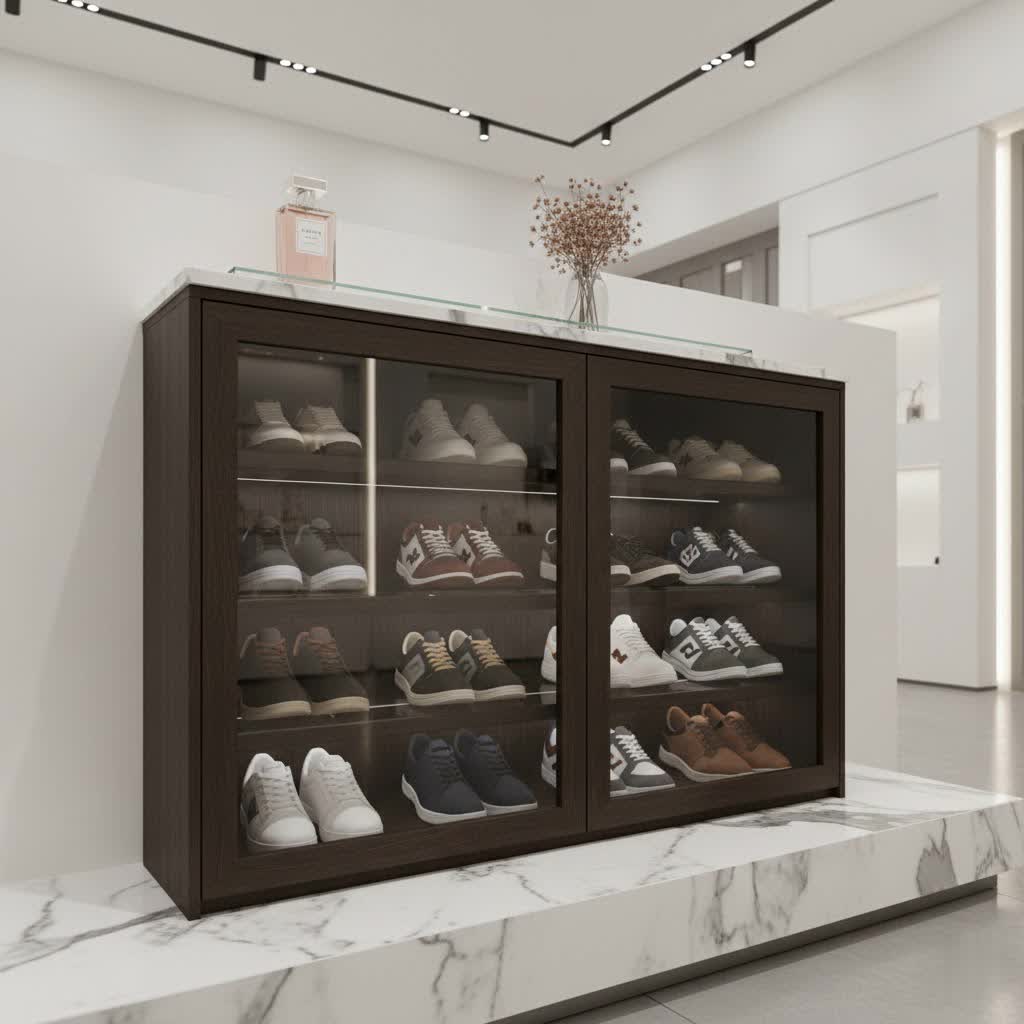
Is your entryway constantly overflowing with shoes, creating a chaotic welcome rather than a tidy transition? In today’s homes, especially those with compact layouts or narrow hallways, finding effective storage that doesn’t sacrifice precious floor space is a common challenge. This is where the thin shoe cabinet becomes an indispensable ally. Far more than just a place to stash footwear, a well-chosen thin shoe cabinet transforms clutter into calm, adding a touch of elegance and organization without encroaching on your living areas. It’s about smart design meeting practical needs, ensuring your shoes are neatly tucked away while your home remains beautiful and functional.
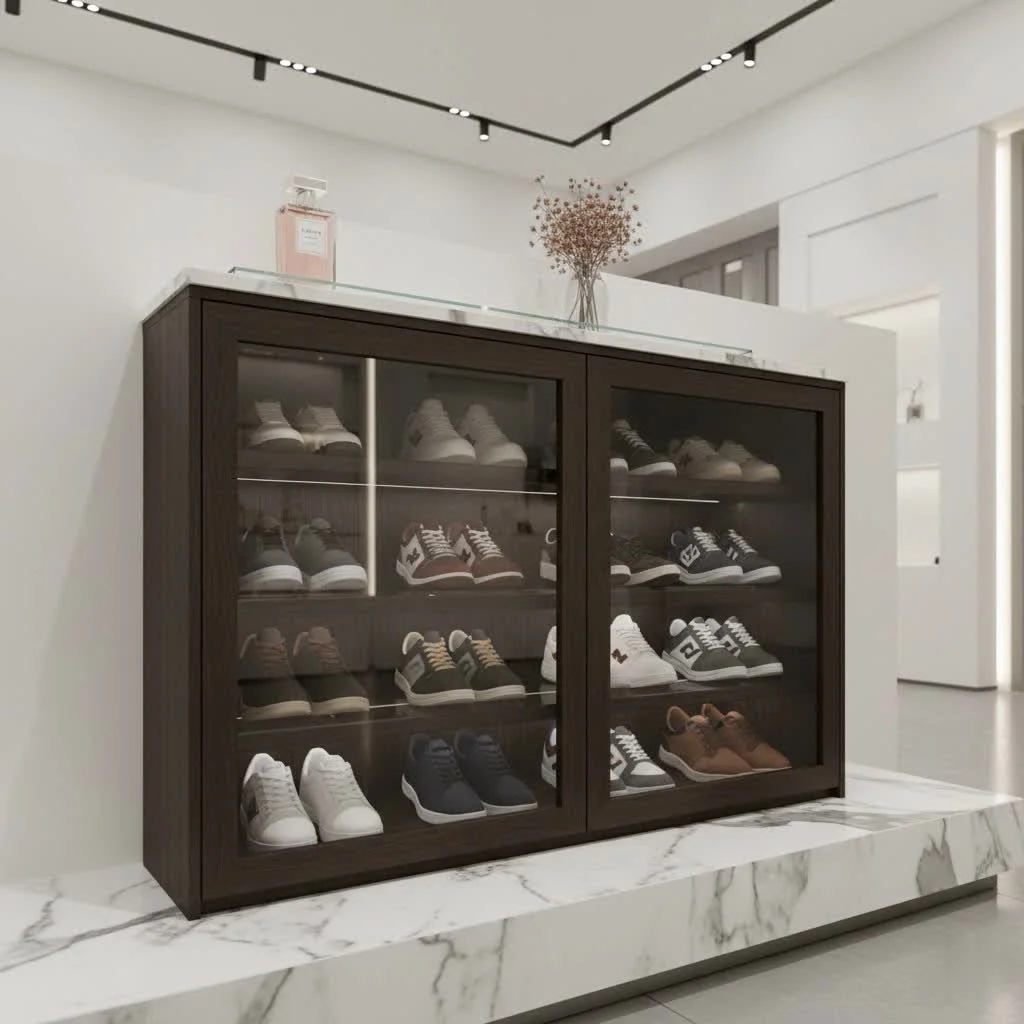
This guide, crafted from years of experience in interior design and a deep understanding of consumer needs, aims to provide you with comprehensive insights and honest advice on selecting the perfect thin shoe cabinet. We’ll explore various types, examine essential buying considerations, and highlight popular models that excel in both form and function.
Understanding Different Types of Thin Shoe Cabinets
When space is at a premium, the design of your shoe cabinet dictates its effectiveness. Thin shoe cabinets come in several clever configurations, each designed to minimize depth while maximizing storage.
Flip-Down Thin Shoe Cabinets
These are arguably the quintessential thin shoe cabinets, known for their exceptionally slim profile. Instead of traditional shelves, they feature compartments that tilt forward, allowing shoes to be stored at an angle.
- Advantages: Ultra-compact depth, often as little as 7-8 inches (around 20 cm), making them ideal for the narrowest hallways or entryways. They keep shoes out of sight for a clean aesthetic.
- Disadvantages: May not accommodate larger shoes, high heels, or boots efficiently due to the angled storage. Ventilation can be an issue if not designed well.
- Best For: Small apartments, tight corridors, minimalist interiors, and storing flats, sneakers, or smaller heels.
Vertical Thin Shoe Cabinets (Tallboys)
Leveraging vertical space is a smart strategy in compact areas. These cabinets are tall and narrow, offering multiple tiers of storage while occupying a minimal footprint.
- Advantages: Excellent capacity relative to their width and depth. Can accommodate various shoe sizes, especially if shelves are adjustable. Offers a sleek, unobtrusive presence.
- Disadvantages: Taller units might require wall anchoring for stability. Accessing shoes on higher shelves might be less convenient.
- Best For: Entryways with high ceilings, bedrooms, or closets where vertical space is available, and for those with a larger shoe collection.
Wall-Mounted Thin Shoe Cabinets
|
Our Picks for the Best Shoe Cabinet in 2026
As an Amazon Associate I earn from qualifying purchases.
|
||
| Num | Product | Action |
|---|---|---|
| 1 | 32" W Farmhouse Shoe Storage Cabinet with 2 Flip Drawers and Barn Door Design, Adjustable Shelves, Modern Hidden Slim Narrow Shoe Rack Cabinet for Entryway, Foyer, Hallway, Living Room, Blue |

|
| 2 | HOOBRO Shoe Cabinet, 5-Tier Shoe Storage Organizer with Doors, Wooden Shoe Cabinet Storage for Entryway, Freestanding Shoe Rack Cabinet with 3 Adjustable Shelves for Hallway, Gold and White DW41SC01 |
|
| 3 | 32" W Farmhouse Shoe Storage Cabinet with 2 Flip Drawers and Barn Door Design, Adjustable Shelves, Hidden Slim Narrow Shoe Rack Cabinet for Entryway, Foyer, Hallway, Living Room, Rustic Walnut |
|
| 4 | Farmhouse Shoe Cabinet with 2 Barn Doors & Wood Legs, 5-Tier Shoe Storage Cabinet with 3 Adjustable Shelves, Tall Shoe Rack Organizer for Closet, Shoe Organizer for Entryway, Hallway, White |
|
| 5 | 32" W Farmhouse Shoe Storage Cabinet with 2 Flip Drawers and Barn Door Design, Adjustable Shelves, Modern Hidden Slim Narrow Shoe Rack Cabinet for Entryway, Foyer, Hallway, Living Room, BS40A |
|
| 6 | EOYUTLLY Shoe Cabinet for Entryway with 2 Flip Drawers,Narrow Wooden Shoe Storage Cabinet with Metal Legs,Hold 24 Pairs, 4-Tier Adjustable Shelves–Freestanding Hidden Shoe Organizer for Hallway, Foyer |
|
| 7 | Collapsible Shoe Rack Organizer 9 Tiers-36 Pairs Foldable Shoe Cabinet with Doors, Large Plastic Folding Shoe Cabinet, Easy Assembly Shoe Shelves Organizer for Entryway, Living Room |
|
| 8 | 32" W Farmhouse Shoe Storage Cabinet with 2 Flip Drawers and Barn Door Design, Adjustable Shelves, Modern Hidden Slim Narrow Shoe Rack Cabinet for Entryway, Foyer, Hallway, Living Room, White |
|
| 9 | Shoe Cabinet Storage,Modern Freestanding Organizer with 2 Flip Drawers,Narrow Shoe Rack Cabinet for Entryway,Walnut |
|
| 10 | HOOBRO Shoe Cabinet, 5-Tier Shoe Storage Organizer with Doors, Wooden Shoe Cabinet Storage for Entryway, Freestanding Shoe Rack Cabinet with 3 Adjustable Shelves for Hallway, Gold and Black DB41SC01 |
|
These innovative solutions free up floor space entirely, attaching directly to the wall. They can be either flip-down or shallow-shelved designs.
- Advantages: Creates an open, airy feel, making small spaces appear larger. Easy to clean the floor underneath. Protects shoes from dust.
- Disadvantages: Installation requires drilling into walls. Weight capacity is dependent on wall anchors. Not suitable for all wall types.
- Best For: Maximizing floor space in very tight entryways, modern minimalist aesthetics, and preventing tripping hazards.
Comparing Thin Shoe Cabinet Designs
Choosing the right thin shoe cabinet involves balancing space efficiency, capacity, and aesthetic preference. Here’s a comparative look at the primary designs:
| Feature | Flip-Down Thin Shoe Cabinet | Vertical Thin Shoe Cabinet | Wall-Mounted Thin Shoe Cabinet |
|---|---|---|---|
| Space Efficiency | Extremely High (Minimal Depth) | High (Utilizes Vertical Space) | Extremely High (Frees Floor Space) |
| Shoe Capacity | Moderate (Depends on Angle) | High (Multiple Tiers) | Moderate to High (Varies by Size) |
| Accessibility | Good for flats/sneakers, less for boots | Good, especially with adjustable shelves | Excellent, at eye level for frequently used shoes |
| Best For | Very narrow hallways, discreet storage | Larger shoe collections, maximizing height | Small entryways, modern aesthetics, easy cleaning |
| Typical Depth | 7-10 inches (18-25 cm) | 12-16 inches (30-40 cm) | 7-16 inches (18-40 cm) |
How to Choose the Perfect Thin Shoe Cabinet (Buying Guide)
Selecting the ideal thin shoe cabinet goes beyond just its slim profile. Consider these factors to ensure it perfectly complements your home and lifestyle.
Determine Your Storage Needs
Before browsing, assess what you truly need. How many pairs of shoes do you own, and what types are they? A compact unit might suffice for a few frequently worn pairs, while a taller model or multiple units might be needed for an extensive collection, including boots or high heels. Think about the variety of your footwear—some cabinets are better suited for flats, while others can accommodate taller items with adjustable shelves.
Measure Your Space Accurately
The “thin” aspect is critical. Carefully measure the width, height, and, most importantly, the depth of the area where the cabinet will be placed. to account for door swings, existing furniture, and electrical outlets. For very narrow hallways, a depth of 7-8 inches (around 20 cm) is often the sweet spot to ensure smooth passage. Ensure there’s enough clearance for doors or flip-down compartments to open fully.
Consider the Material
The material affects durability, aesthetics, and maintenance.
- Wood: Offers a classic, elegant look and can be very durable. Available in various finishes to match existing decor. May require good ventilation if storing damp shoes.
- Engineered Wood/Laminate: A more affordable alternative to solid wood, offering diverse styles and finishes. Generally easy to clean.
- Metal: Provides a modern, industrial, or minimalist aesthetic. Often sturdy and easy to clean. Ensure it’s powder-coated to prevent rust.
- Plastic: The most budget-friendly option, lightweight, and water-resistant. May be less durable and offer fewer sophisticated design options.
Evaluate Style and Design Features
The style of your thin shoe cabinet should seamlessly integrate with your home’s existing decor.
- Closed vs. Open Designs: Closed cabinets with doors (like flip-down or traditional cabinets) keep shoes out of sight, promoting a tidy look and protecting them from dust. Open designs offer quick access and better ventilation but may not suit all interior styles.
- Ventilation: For any closed cabinet, good ventilation is crucial to prevent odors and moisture buildup, especially for frequently worn or slightly damp shoes. Look for cabinets with subtle vents or consider adding your own.
- Adjustable Shelves: A highly desirable feature, allowing you to customize compartment heights to fit different shoe types, from sandals to ankle boots.
- Stability: Tall and narrow units, especially, should come with anti-topple kits or be designed for wall-mounting to ensure safety.
Price and Brand Reputation
Research various brands and compare prices. While budget is a factor, investing in a reputable brand often means better quality materials, construction, and longevity. Read reviews to gauge product quality and customer satisfaction.
Popular Thin Shoe Cabinet Models for Modern Living
Modern design prioritizes multi-functionality and clever use of space, and thin shoe cabinets are no exception.
Smart and Multi-functional Thin Cabinets
These cabinets go beyond just shoe storage. Some thin cabinets feature a flat top surface, serving as a sleek console table for keys, mail, or decorative items in an entryway. Others might incorporate a small seating area, perfect for putting on or taking off shoes, making them a practical and stylish addition to any compact space. These designs often embody minimalist aesthetics, blending seamlessly into contemporary interiors.
Wall-Mounted Thin Shoe Cabinets
As highlighted earlier, wall-mounted thin shoe cabinets are a major upgrade for reclaiming floor space. By elevating storage, they create an illusion of spaciousness and make cleaning easier. Designs range from discreet flip-down units to more prominent, sculptural pieces that double as wall art, proving that even the most practical items can be aesthetically pleasing.
Space-Saving Flip-Down Cabinets
The innovation in flip-down designs has made them incredibly popular for their ability to offer significant storage in a minimal footprint. These intelligent cabinets typically feature multiple tiers of tilted compartments, allowing shoes to slide in efficiently. Many come with sleek, handle-less fronts for a contemporary look, making them virtually disappear against a wall while providing essential organization.
“A good shoe cabinet isn’t just about storing shoes; it’s a vital component in creating a tidy and aesthetically pleasing living space.”
Conclusion
A thin shoe cabinet is more than just a piece of furniture; it’s a strategic investment in maintaining an organized, clutter-free, and stylish home. Whether you’re navigating a narrow hallway, optimizing a small entryway, or simply seeking an elegant solution to shoe chaos, the right thin shoe cabinet can make a significant difference. By carefully considering your space, storage needs, preferred materials, and desired design features, you can select a cabinet that not only houses your footwear neatly but also enhances the overall aesthetic and functionality of your living environment. Say goodbye to shoe piles and hello to a harmonious home where every step is met with order and beauty.
What kind of transformation will a thin shoe cabinet bring to your home?
Frequently Asked Questions
What is the ideal depth for a thin shoe cabinet?
For truly narrow spaces like apartment hallways, an ideal depth for a thin shoe cabinet is typically around 7-8 inches (18-20 cm). However, compact areas can also accommodate depths of up to 12 inches (30 cm) for more versatile storage without impeding traffic flow.
Are thin shoe cabinets suitable for boots?
Many flip-down thin shoe cabinets are not ideal for tall boots due to their angled compartments. However, vertical thin shoe cabinets with adjustable shelves can often accommodate boots by removing or repositioning shelves, offering flexible storage for various footwear types.
How do thin shoe cabinets prevent shoe odors?
To prevent shoe odors, particularly in closed thin shoe cabinets, look for models with built-in ventilation holes or slatted designs. Regularly airing out the cabinet and ensuring shoes are dry before storage can also significantly help maintain freshness and prevent moisture buildup.
Get our weekly buyer guide
Practical specs, not advice. Unsubscribe anytime.

The info here was pretty good for understanding what’s out there. I bought a cabinet that was supposed to fit 12 pairs, but my husband’s size 11 sneakers barely squeeze in, and it only holds 8 of his. It works for my smaller shoes, but I wish the capacity was more accurate for larger sizes. Still, it’s better than a pile of shoes.
This was super helpful in deciding on a new shoe organizer for our mudroom. I loved the emphasis on smart design meeting practical needs. We went with a freestanding, slim cabinet that has a top drawer for keys and mail, which is a nice bonus. It really does transform the clutter into calm, just like it said. My only minor gripe is that assembly took a bit longer than expected.
Finally, a solution for our chaotic shoe situation! I appreciated the detailed breakdown of how these cabinets can add elegance and organization without encroaching on living areas. We have a small apartment, and the thin profile of the cabinet we chose is perfect. It blends right in with our decor and keeps everything looking neat. No more shoe piles by the door!
I was so tired of tripping over shoes in our narrow hallway. This guide really helped me understand the different types of thin shoe cabinets. I ended up getting a wall-mounted one, and it’s been a game-changer for keeping our entryway tidy. It holds about 10 pairs of shoes and looks super sleek, not bulky at all. Highly recommend for anyone with limited space!