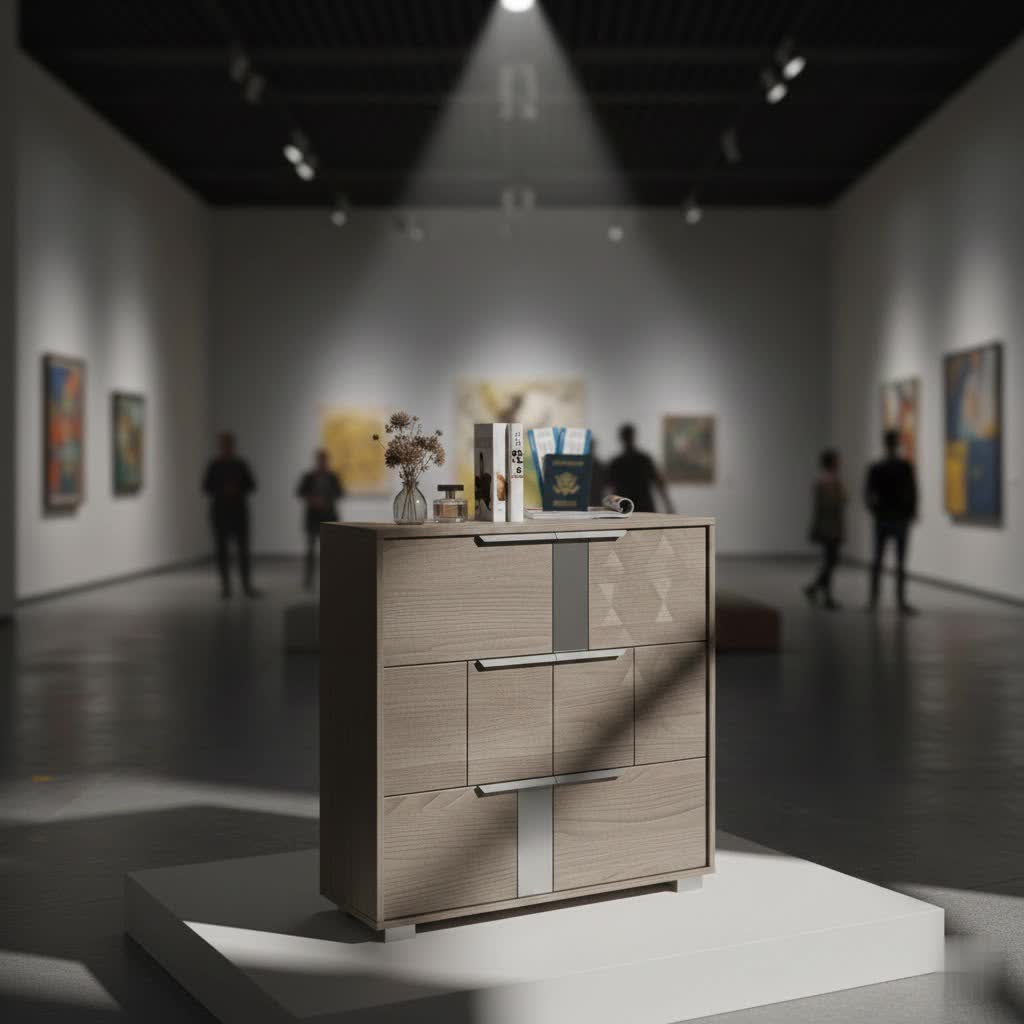
The pursuit of an organized home often begins at the entryway, where footwear can quickly accumulate and create clutter. If you’re seeking a solution that marries functionality with timeless elegance, a wood shoe storage cabinet stands as an unparalleled choice. With its natural warmth, inherent durability, and versatile design possibilities, a wooden shoe cabinet not only tidies your space but also enhances your home’s aesthetic. This comprehensive guide, built on years of insights into home furnishings, will walk you through everything you need to know to select the perfect wood shoe storage cabinet for your unique needs.
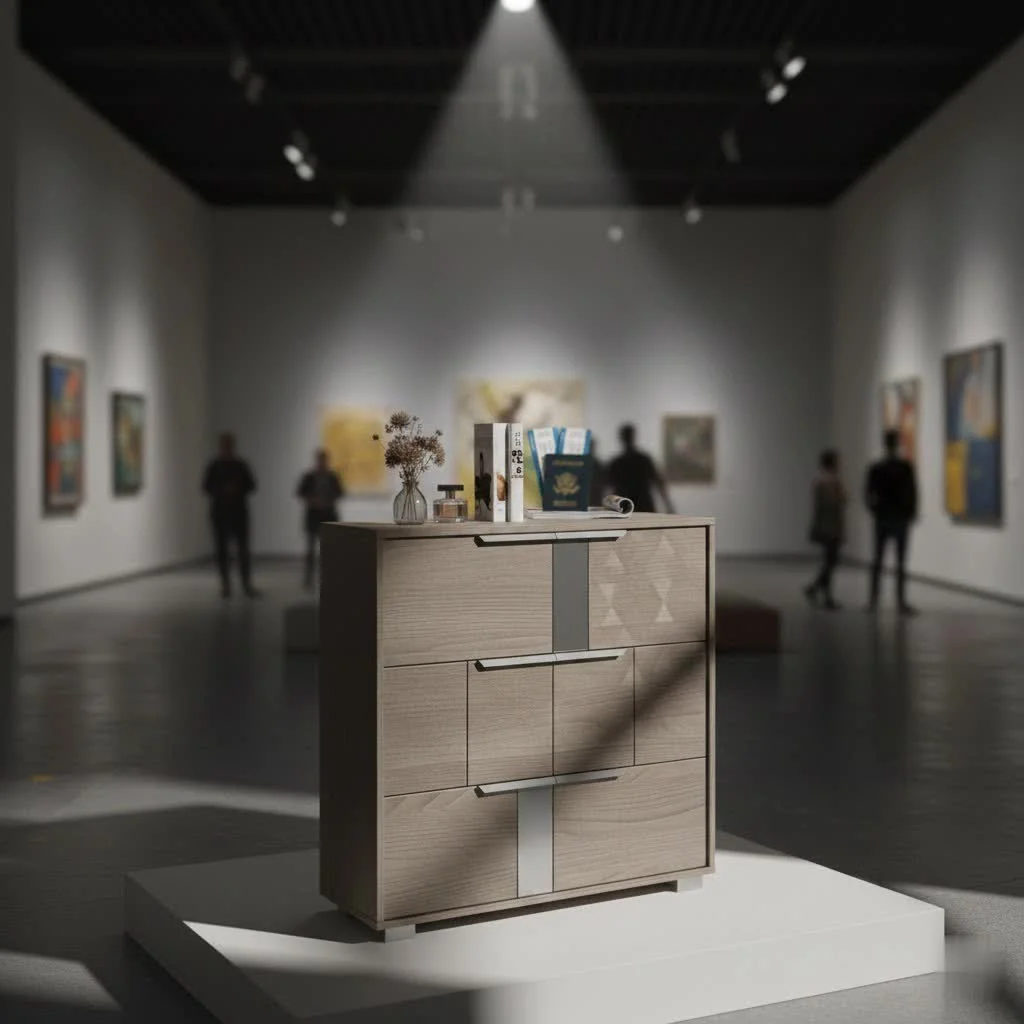
Types of Wood Shoe Cabinets
When exploring wood shoe storage cabinets, it’s essential to understand the primary material categories. Each offers distinct advantages and characteristics that influence both performance and aesthetic appeal. For expert shoe storage reviews on this site.
Solid Hardwood Shoe Cabinets
Solid hardwood cabinets are crafted from single pieces of timber, such as oak, maple, or cherry. These materials are renowned for their strength and enduring beauty.
- Pros: Solid hardwood offers exceptional durability, resistance to wear and tear, and a rich, natural grain that adds significant aesthetic value. They can last for decades with proper care and can be refinished multiple times.
- Cons: These cabinets typically come with a higher price tag due to the quality of the material and craftsmanship. They can also be quite heavy, making them less portable. While durable, they can be susceptible to warping or cracking in extremely humid conditions if not properly sealed.
- Best for: Solid hardwood wood shoe storage cabinets are ideal for homeowners seeking a long-term investment, a classic or traditional aesthetic, and a robust piece of furniture that can withstand heavy daily use.
Engineered Wood Shoe Cabinets (e.g., Plywood)
Engineered wood cabinets, primarily high-grade plywood, offer a more budget-friendly alternative while still providing commendable durability and design flexibility. Plywood is constructed from multiple thin layers of wood veneer glued together, making it stable and resistant to warping.
- Pros: Engineered wood options are generally more affordable than solid hardwood. They are stable, can be lightweight, and come in a wider range of finishes and designs, including painted or veneered surfaces that mimic natural wood.
- Cons: While durable, engineered wood typically does not match the lifespan or inherent strength of solid hardwood. Lower-grade options can be more susceptible to moisture damage if not properly sealed or if the finish chips. They cannot be easily refinished to reveal a new wood grain.
- Best for: Plywood and other high-grade engineered wood shoe storage cabinets are excellent for budget-conscious buyers, those who prefer modern or minimalist styles, or individuals looking for versatile options that can be easily updated or moved.
Comparison of Wood Shoe Cabinet Materials
Understanding the key differences between wood materials can help you make an informed decision for your home.
| Criterion | Solid Hardwood | Engineered Wood (Plywood) |
|---|---|---|
| Cost | High | Medium |
| Durability | Very High | High |
| Moisture Resistance | Moderate (if treated/sealed) | Moderate (depends on grade/finish) |
| Aesthetics | Natural grain, premium, timeless | Can be natural, painted, or veneered |
| Style Suitability | Classic, traditional, luxury | Modern, minimalist, contemporary, versatile |
| Weight | Heavy | Medium to light |
Expert Guide: How to Choose a Wood Shoe Storage Cabinet
Selecting the ideal wood shoe storage cabinet involves more than just picking a design; it’s about matching the piece to your lifestyle, space, and aesthetic preferences.
1. Determine Your Storage Needs
|
Our Picks for the Best Shoe Cabinet in 2026
As an Amazon Associate I earn from qualifying purchases.
|
||
| Num | Product | Action |
|---|---|---|
| 1 | Collapsible Shoe Rack Organizer 9 Tiers-36 Pairs Foldable Shoe Cabinet with Doors, Large Plastic Folding Shoe Cabinet, Easy Assembly Shoe Shelves Organizer for Entryway, Living Room |

|
| 2 | Farmhouse Shoe Cabinet with 2 Barn Doors & Wood Legs, 5-Tier Shoe Storage Cabinet with 3 Adjustable Shelves, Tall Shoe Rack Organizer for Closet, Shoe Organizer for Entryway, Hallway, White |
|
| 3 | Shoe Cabinet Storage,Modern Freestanding Organizer with 2 Flip Drawers,Narrow Shoe Rack Cabinet for Entryway,Walnut |
|
| 4 | HOOBRO Shoe Cabinet, 5-Tier Shoe Storage Organizer with Doors, Wooden Shoe Cabinet Storage for Entryway, Freestanding Shoe Rack Cabinet with 3 Adjustable Shelves for Hallway, Gold and Black DB41SC01 |
|
| 5 | 32" W Farmhouse Shoe Storage Cabinet with 2 Flip Drawers and Barn Door Design, Adjustable Shelves, Modern Hidden Slim Narrow Shoe Rack Cabinet for Entryway, Foyer, Hallway, Living Room, Blue |
|
| 6 | 32" W Farmhouse Shoe Storage Cabinet with 2 Flip Drawers and Barn Door Design, Adjustable Shelves, Modern Hidden Slim Narrow Shoe Rack Cabinet for Entryway, Foyer, Hallway, Living Room, BS40A |
|
| 7 | 32" W Farmhouse Shoe Storage Cabinet with 2 Flip Drawers and Barn Door Design, Adjustable Shelves, Hidden Slim Narrow Shoe Rack Cabinet for Entryway, Foyer, Hallway, Living Room, Rustic Walnut |
|
| 8 | EOYUTLLY Shoe Cabinet for Entryway with 2 Flip Drawers,Narrow Wooden Shoe Storage Cabinet with Metal Legs,Hold 24 Pairs, 4-Tier Adjustable Shelves–Freestanding Hidden Shoe Organizer for Hallway, Foyer |
|
| 9 | HOOBRO Shoe Cabinet, 5-Tier Shoe Storage Organizer with Doors, Wooden Shoe Cabinet Storage for Entryway, Freestanding Shoe Rack Cabinet with 3 Adjustable Shelves for Hallway, Gold and White DW41SC01 |
|
| 10 | 32" W Farmhouse Shoe Storage Cabinet with 2 Flip Drawers and Barn Door Design, Adjustable Shelves, Modern Hidden Slim Narrow Shoe Rack Cabinet for Entryway, Foyer, Hallway, Living Room, White |
|
Start by assessing the number of shoes you need to store and the types of footwear in your collection. Do you have many boots, high heels, or oversized sneakers? A family of three might need space for 35-50 pairs, while a single person might only need 15-25 pairs. Consider not only your current collection but also any future additions. This will help determine the required capacity and internal configuration of your cabinet.
2. Choose the Right Wood Material
As discussed, the choice between solid hardwood and high-grade engineered wood (like plywood) impacts durability, aesthetic, and cost. Hardwoods like oak, maple, or cherry offer unmatched longevity and a classic look, while quality plywood provides a durable and often more affordable option with diverse finish possibilities. For humid environments, ensure any wood shoe storage cabinet is properly sealed and finished to prevent moisture damage and potential mold.
3. Consider Style and Size
The cabinet’s style should complement your home’s existing decor. Options range from rustic farmhouse to sleek mid-century modern or minimalist designs. Measure your available space precisely—width, depth, and height—paying attention to door swings and foot traffic. A compact hall tree with shoe storage can be ideal for a narrow entryway, while a larger, multi-door cabinet might suit a spacious mudroom. Ensure there’s sufficient clearance, especially if the cabinet has outward-opening doors.
4. Factor in Quality and Price
While price is a consideration, prioritize quality craftsmanship. Look for sturdy joints (dovetail or mortise and tenon are excellent indicators of quality), smooth finishes, and robust hardware. Read reviews and consider reputable brands that offer warranties. A higher initial investment in a well-made wood shoe storage cabinet often translates to greater longevity and satisfaction.
Popular Wood Shoe Cabinet Models
Beyond material and basic design, modern wood shoe storage cabinets incorporate innovative features to enhance functionality and aesthetics.
Smart Shoe Cabinets
These contemporary wood shoe storage cabinets often feature sleek designs with integrated smart functionalities such as sensor lighting, ventilation systems, or even charging ports. They are designed for the modern home, maximizing efficiency and offering a touch of technological sophistication while maintaining a clean, clutter-free appearance.
Wall-Mounted Shoe Cabinets
Ideal for smaller spaces or minimalist aesthetics, wall-mounted wood shoe storage cabinets save valuable floor space. They create an illusion of openness and can be particularly useful in narrow entryways or hallways where traditional freestanding units might feel too bulky. These often come in slim, flip-down designs, keeping shoes discreetly hidden.
Multifunctional Wood Shoe Cabinets
Many wood shoe storage cabinets now offer more than just shoe storage. These versatile pieces might include a built-in bench for seating while putting on shoes, coat hooks, drawers for keys and accessories, or even display shelves for decorative items. They are perfect for optimizing space in entryways, providing several functions in one elegant piece of furniture.
“A well-chosen wood shoe storage cabinet is more than just furniture; it’s a foundational element of home organization that reflects personal style and contributes significantly to a harmonious living environment.” – Eleanor Vance, Interior Design Consultant
Conclusion
Choosing the right wood shoe storage cabinet is a decision that impacts both the practicality and beauty of your home. By considering your storage needs, understanding the characteristics of different wood materials, and carefully evaluating styles and features, you can find a cabinet that not only neatly organizes your footwear but also elevates your living space. A high-quality wooden shoe cabinet is an investment that promises lasting style and functionality, transforming a cluttered area into an inviting and orderly entrance.
What kind of transformation are you looking to achieve in your entryway with a new wood shoe storage cabinet?
Frequently Asked Questions
Which wood type is best for a shoe cabinet in a humid climate?
For humid climates, hardwoods like teak, oak, or cedar are excellent choices due to their natural resistance to moisture and decay. It is crucial, however, that the wood shoe storage cabinet is properly sealed and finished with a moisture-resistant coating to ensure its longevity and prevent warping or mold growth.
How do I maintain a wood shoe storage cabinet?
Regular maintenance for a wood shoe storage cabinet typically involves wiping it down with a soft, damp cloth to remove dust and dirt, followed by a dry cloth. Avoid harsh chemicals. For solid wood, occasional polishing or waxing can help maintain its luster and protect the finish. For engineered wood, follow the manufacturer’s cleaning recommendations.
Can a wood shoe cabinet help with shoe odor?
While a wood shoe storage cabinet provides enclosed storage, some designs incorporate ventilation features, such as slatted doors or discreet vents, to allow for airflow and reduce odor buildup. For added freshness, consider placing charcoal deodorizers or cedar blocks inside the cabinet to absorb moisture and neutralize smells.
What size wood shoe cabinet do I need for a family of four?
For a family of four, a wood shoe storage cabinet that can accommodate 40-60 pairs of shoes is generally recommended to account for daily wear, seasonal footwear, and guests’ shoes. This usually translates to a cabinet with multiple shelves, possibly adjustable, or a larger multi-door unit to provide ample and organized storage space.
Get our weekly buyer guide
Practical specs, not advice. Unsubscribe anytime.
