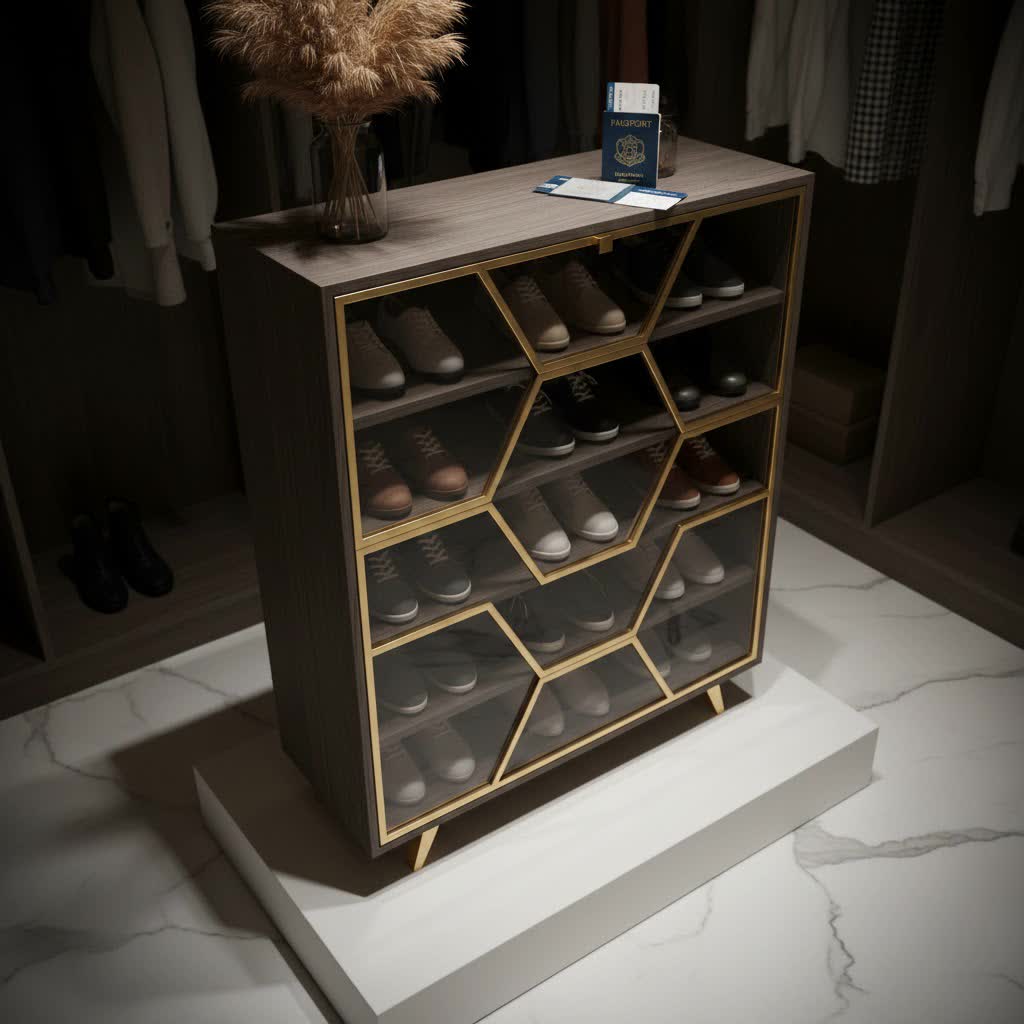
Are scattered shoes causing chaos and diminishing the aesthetic of your entryway? You’re not alone. In many homes, footwear quickly accumulates, turning a welcoming space into a cluttered mess. The solution isn’t just about storage; it’s about investing in a piece that brings order, enhances your decor, and stands the test of time. A wooden shoe cabinet is more than just a place to stash your shoes; it’s a statement of style and a commitment to an organized home. With over a decade of experience in furniture design, I’ve seen firsthand how the right shoe cabinet can transform a space, combining practicality with timeless elegance. This guide will walk you through everything you need to know, from materials and styles to selecting the perfect wooden shoe cabinet that reflects your personal taste and keeps your home impeccably tidy.
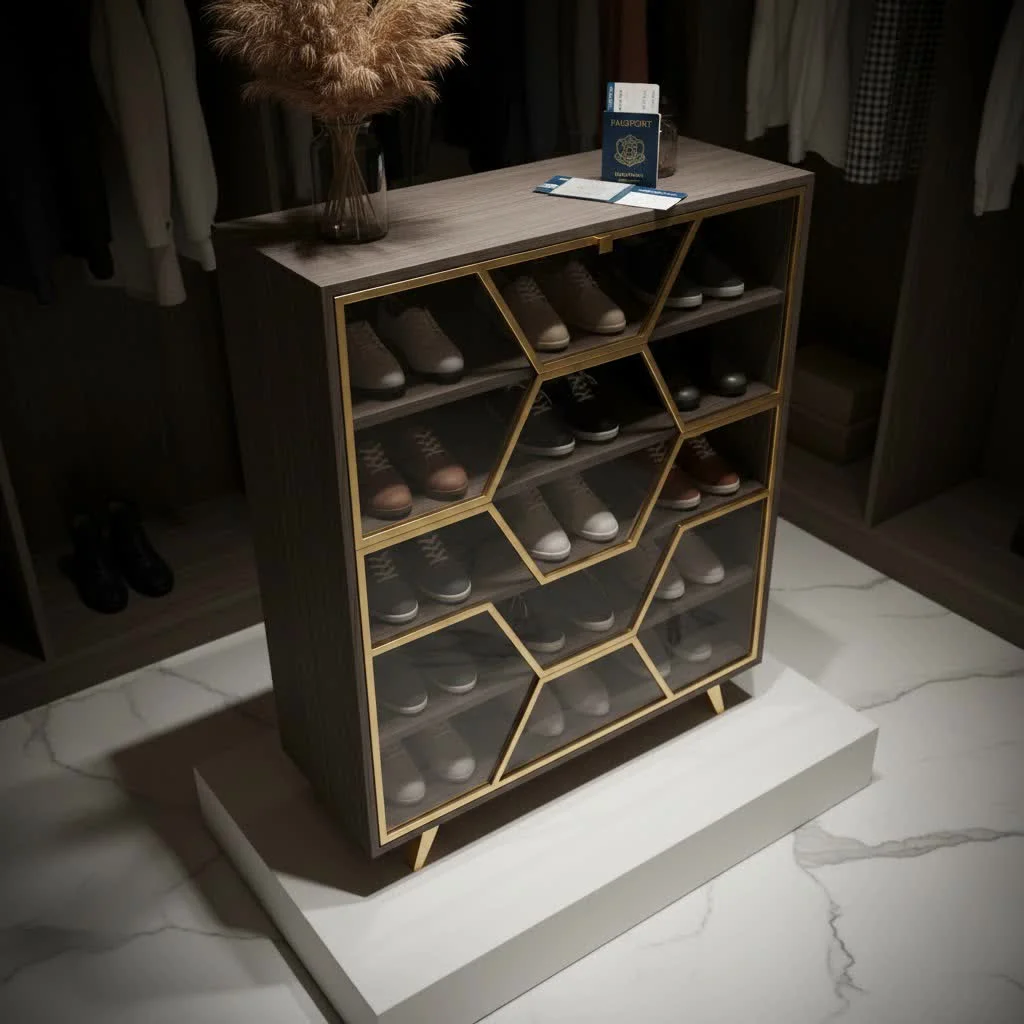
Popular Types of Wooden Shoe Cabinets
Wooden shoe cabinets come in a variety of forms, each designed to meet different storage needs and aesthetic preferences. Understanding the distinct characteristics of each type is key to making an informed decision for your home. For shop curated shoe storage on this site.
Solid Wood Shoe Cabinets
Advantages: Solid wood cabinets, often crafted from materials like oak, ash, teak, or mahogany, are renowned for their exceptional durability and luxurious appearance. They offer natural strength and a rich, authentic grain that can elevate any interior. These pieces are built to last for generations and often become cherished family heirlooms, improving with age and developing a beautiful patina over time.
Disadvantages: The primary drawbacks of solid wood are its higher price point and susceptibility to environmental factors. Without proper treatment, solid wood can be vulnerable to moisture, warping, or insect damage. It also tends to be heavier, making it less convenient for frequent rearrangement.
Best for: Homes with classic, traditional, or even modern rustic interiors where longevity, quality, and a significant investment in furniture are prioritized. They seamlessly blend into sophisticated decor schemes, adding warmth and a sense of permanence.
Engineered Wood Shoe Cabinets
Advantages: Engineered wood, which includes materials like MDF (Medium-Density Fiberboard) or particle board, offers a more budget-friendly alternative while still providing a wood-look finish. These cabinets are generally lighter, making them easier to move, and their surfaces can be treated to be more resistant to scratches and minor moisture than untreated solid wood. They come in a vast array of finishes and styles, mimicking various natural wood tones or painted looks.
Disadvantages: While affordable, engineered wood typically lacks the inherent strength and long-term durability of solid wood. It can be prone to chipping or swelling if exposed to excessive moisture, and assembly can sometimes be challenging if the quality of the hardware or pre-drilled holes is inconsistent.
Best for: Smaller spaces, rental properties, or households seeking a stylish, functional solution without a significant financial outlay. They are ideal for modern, minimalist, or temporary decor styles where versatility and cost-effectiveness are key.
Open vs. Enclosed Designs
|
Our Picks for the Best Shoe Cabinet in 2026
As an Amazon Associate I earn from qualifying purchases.
|
||
| Num | Product | Action |
|---|---|---|
| 1 | 32" W Farmhouse Shoe Storage Cabinet with 2 Flip Drawers and Barn Door Design, Adjustable Shelves, Modern Hidden Slim Narrow Shoe Rack Cabinet for Entryway, Foyer, Hallway, Living Room, Blue |

|
| 2 | EOYUTLLY Shoe Cabinet for Entryway with 2 Flip Drawers,Narrow Wooden Shoe Storage Cabinet with Metal Legs,Hold 24 Pairs, 4-Tier Adjustable Shelves–Freestanding Hidden Shoe Organizer for Hallway, Foyer |
|
| 3 | 32" W Farmhouse Shoe Storage Cabinet with 2 Flip Drawers and Barn Door Design, Adjustable Shelves, Modern Hidden Slim Narrow Shoe Rack Cabinet for Entryway, Foyer, Hallway, Living Room, BS40A |
|
| 4 | HOOBRO Shoe Cabinet, 5-Tier Shoe Storage Organizer with Doors, Wooden Shoe Cabinet Storage for Entryway, Freestanding Shoe Rack Cabinet with 3 Adjustable Shelves for Hallway, Gold and Black DB41SC01 |
|
| 5 | Farmhouse Shoe Cabinet with 2 Barn Doors & Wood Legs, 5-Tier Shoe Storage Cabinet with 3 Adjustable Shelves, Tall Shoe Rack Organizer for Closet, Shoe Organizer for Entryway, Hallway, White |
|
| 6 | 32" W Farmhouse Shoe Storage Cabinet with 2 Flip Drawers and Barn Door Design, Adjustable Shelves, Hidden Slim Narrow Shoe Rack Cabinet for Entryway, Foyer, Hallway, Living Room, Rustic Walnut |
|
| 7 | Collapsible Shoe Rack Organizer 9 Tiers-36 Pairs Foldable Shoe Cabinet with Doors, Large Plastic Folding Shoe Cabinet, Easy Assembly Shoe Shelves Organizer for Entryway, Living Room |
|
| 8 | 32" W Farmhouse Shoe Storage Cabinet with 2 Flip Drawers and Barn Door Design, Adjustable Shelves, Modern Hidden Slim Narrow Shoe Rack Cabinet for Entryway, Foyer, Hallway, Living Room, White |
|
| 9 | HOOBRO Shoe Cabinet, 5-Tier Shoe Storage Organizer with Doors, Wooden Shoe Cabinet Storage for Entryway, Freestanding Shoe Rack Cabinet with 3 Adjustable Shelves for Hallway, Gold and White DW41SC01 |
|
| 10 | Shoe Cabinet Storage,Modern Freestanding Organizer with 2 Flip Drawers,Narrow Shoe Rack Cabinet for Entryway,Walnut |
|
Beyond material, the structural design of a wooden shoe cabinet significantly impacts its functionality and appearance. Open-shelf designs offer easy access and excellent ventilation, preventing odors, but expose shoes to dust. Enclosed cabinets with doors or drawers keep shoes out of sight and protected from dust, contributing to a cleaner, more streamlined look in your entryway or closet. Many modern designs cleverly combine both, offering a discreet closed section for less-used shoes and an open area for daily footwear or decorative items.
Comparing Different Wooden Shoe Cabinet Types
Choosing the right wooden shoe cabinet involves weighing various factors. This comparison table highlights key considerations to help you decide between common wooden and wood-alternative materials.
| Criterion | Solid Wood | Engineered Wood (e.g., MDF, Particle Board) |
|---|---|---|
| Price | High | Low to Medium |
| Durability | Very High, long-lasting | Medium, depends on quality of construction |
| Water Resistance | Low (unless sealed/treated) | Medium (can swell if exposed to excessive water) |
| Aesthetics | Natural grain, rich, timeless, unique | Consistent finish, can mimic various wood types |
| Maintenance | Requires occasional polishing/sealing | Easy to wipe clean, less intensive care |
| Environmental Impact | Sustainable if sourced responsibly | Can contain VOCs, but eco-friendly options exist |
| Style Compatibility | Classic, rustic, traditional, mid-century | Modern, contemporary, minimalist, transitional |
Your Essential Guide to Buying a Wooden Shoe Cabinet
Selecting the perfect wooden shoe cabinet requires thoughtful consideration of your specific needs, the available space, and your home’s overall aesthetic. A well-chosen cabinet not only organizes your footwear but also enhances your living environment.
Determine Your Storage Needs
Before browsing, assess the quantity and type of footwear you need to store. Consider whether you primarily wear flats, sneakers, or frequently use boots and high heels, as this will influence the required shelf height and overall cabinet dimensions. Don’t forget to account for future purchases; a cabinet with a slightly larger capacity than your current collection can save you from needing an upgrade later. Also, measure the exact space where the cabinet will reside, taking into account width, depth, and height, including clearance for doors or pathways.
Choose Your Material Wisely
The material you select will dictate the cabinet’s durability, appearance, and price. Solid wood (such as oak, ash, or teak) offers unmatched strength, a rich aesthetic, and a timeless quality that can adapt to evolving decor. However, it requires a higher investment and may need more care to prevent moisture damage. Engineered wood (like MDF or particle board) is a more budget-friendly option, providing a wide range of finishes and designs that can mimic natural wood. While less durable than solid wood, modern engineered wood cabinets are robust enough for everyday use and easier to maintain.
Style and Sizing for Seamless Integration
The style of your shoe cabinet should complement your home’s existing interior design. For a classic or traditional look, consider solid wood cabinets with intricate details or a rich, dark finish. If your home embraces modern or minimalist aesthetics, opt for sleek, clean-lined designs, possibly in lighter wood tones or with a contemporary painted finish. Mid-century modern styles often feature warm wood tones, tapered legs, and subtle curves. Ensure the cabinet’s dimensions are proportionate to your space; a too-large cabinet can overwhelm a small entryway, while a too-small one might look out of place in a grand foyer.
Essential Features to Look For
Modern wooden shoe cabinets offer a variety of features that enhance functionality:
- Adjustable shelves are a game-changer, allowing you to customize compartments to fit different shoe heights, from ankle boots to sandals.
- Ventilation is crucial for preventing odor buildup, so look for cabinets with slatted doors, mesh panels, or ample spacing between shelves.
- Integrated seating creates a practical bench for putting on or taking off shoes, perfect for busy entryways.
- Additional storage like drawers for keys, gloves, or shoe care products, or open top surfaces for decorative accents, can significantly boost a cabinet’s utility.
Budget and Brand Reputation
Set a realistic budget based on your material and feature preferences. While solid wood cabinets command higher prices, they represent a long-term investment. Research reputable brands known for their quality craftsmanship and reliable customer service. Reading product reviews can offer valuable insights into a cabinet’s assembly process, actual capacity, and real-world durability. Remember, a good shoe cabinet is an investment in both your home’s organization and its overall appeal.
Popular Wooden Shoe Cabinet Designs for the Modern Home
Today’s market offers an exciting array of wooden shoe cabinet designs that marry functionality with contemporary aesthetics. These popular styles cater to diverse needs and interior themes, ensuring there’s a perfect fit for every home.
Space-Saving Wonders: Slim and Wall-Mounted Cabinets
For urban dwellers or those with compact living spaces, slim flip-drawer shoe cabinets are a revelation. Their innovative tilt-out mechanism allows them to hold multiple pairs of shoes in a remarkably narrow profile, making them ideal for tight entryways or hallways where traditional cabinets would obstruct movement. Wall-mounted wooden shoe cabinets also excel in optimizing floor space, creating a light, airy feel while keeping footwear neatly tucked away. These designs are particularly favored in minimalist or Scandinavian-inspired homes, where clean lines and an uncluttered environment are paramount.
Multi-Functional Innovations
The modern wooden shoe cabinet often goes beyond simple shoe storage, evolving into a versatile piece of furniture. Wooden shoe storage benches combine comfortable seating with hidden compartments or open shelving for shoes, perfect for creating a practical and inviting spot in your entryway. Some designs even incorporate a small drawer for keys or mail, or a display surface for decorative items, effectively serving as a console table. These multi-functional pieces are perfect for maximizing utility in smaller homes or open-plan living areas.
The Charm of Natural Finishes and Unique Details
Beyond their practical features, popular wooden shoe cabinets often showcase thoughtful design elements that enhance their visual appeal. Many consumers gravitate towards cabinets with natural wood finishes like light oak, warm walnut, or exotic teak, which bring organic warmth and texture into a space. Details such as slatted doors (offering both aesthetic appeal and ventilation), chevron patterns, or rattan accents infuse personality and a touch of artisanal craftsmanship. These elements contribute to cabinets that are not just storage units but integral components of a well-designed home.
“A well-chosen wooden shoe cabinet doesn’t just clear clutter; it serves as a foundational piece, adding character and warmth to your home’s first impression.” – Emily Thorne, Interior Design Specialist
Conclusion
Choosing the right wooden shoe cabinet is a step towards a more organized, stylish, and welcoming home. We’ve explored the diverse types available, from the enduring strength of solid wood to the versatile appeal of engineered options, and highlighted key considerations like capacity, material, and design. Whether you opt for a slim, space-saving model, a multi-functional bench, or a classic enclosed cabinet, the goal remains the same: to create a dedicated, elegant home for your footwear. Investing in a quality wooden shoe cabinet not only protects your shoes but also significantly enhances the aesthetic and functionality of your living space.
What kind of wooden shoe cabinet will best help you declutter your entryway and elevate your home’s style?
Frequently Asked Questions
Which wooden shoe cabinet material is best for an apartment?
For apartment living, engineered wood (like high-quality MDF or particle board) often presents the best balance of affordability, versatility, and lighter weight for easier moving. Look for slim or vertical designs to maximize space without sacrificing storage capacity. These materials come in a wide range of finishes to easily match apartment decor.
How can I prevent odor in a wooden shoe cabinet?
To prevent odor, choose a wooden shoe cabinet with good ventilation. Designs with slatted doors or open shelves allow for air circulation. For enclosed cabinets, consider adding natural odor absorbers like cedar balls, baking soda, or activated charcoal packets. Ensure shoes are clean and dry before storing them, and periodically air out the cabinet by leaving the doors open.
Get our weekly buyer guide
Practical specs, not advice. Unsubscribe anytime.
