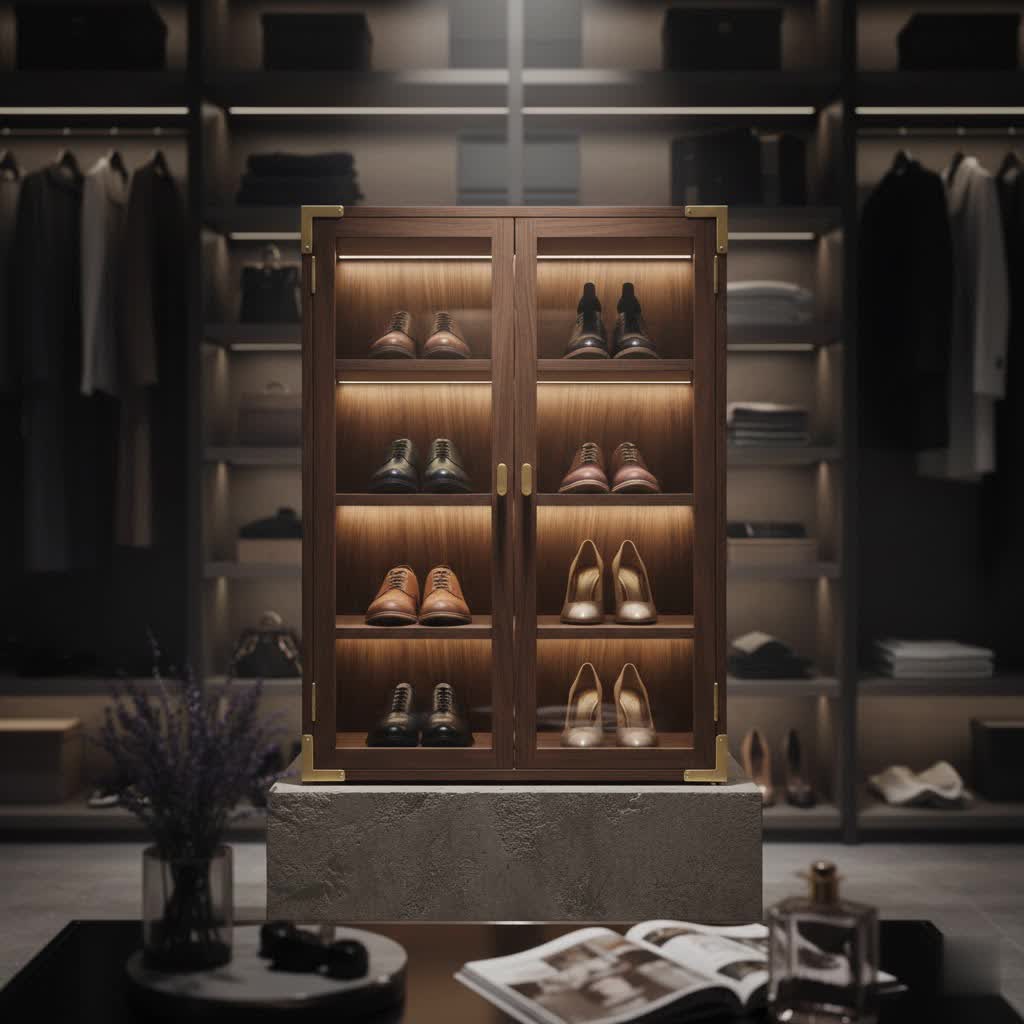
Choosing the perfect entrance shoe cabinet involves assessing storage needs, measuring space, and selecting the right material to complement your home’s style. The ideal cabinet transforms a cluttered entryway into an organized, inviting space, enhancing both functionality and aesthetic appeal. For instance, a family of four might require a cabinet with at least 12-16 compartments to accommodate daily footwear and seasonal items, ensuring a welcoming first impression.
Popular Types of Entrance Shoe Cabinets
Choosing the right shoe cabinet begins with understanding the different materials and designs available, each offering unique benefits and drawbacks. Your ideal choice will blend seamlessly with your home’s decor while providing the necessary functionality.
Wooden Shoe Cabinets
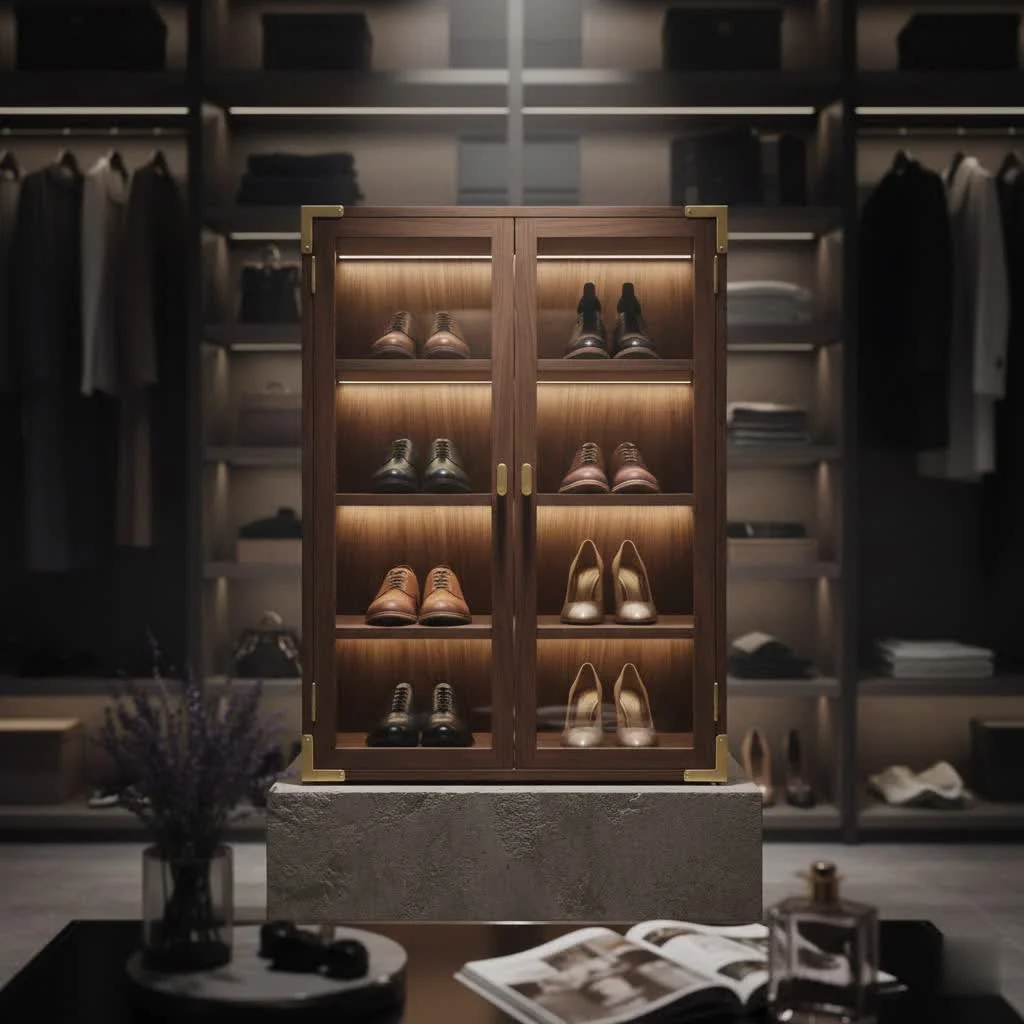
Wooden shoe cabinets are often celebrated for their timeless appeal and robust construction. They bring a touch of natural warmth and sophistication to any entryway.
- Advantages: Wooden cabinets exude elegance and can be incredibly durable, especially those made from solid wood. They offer immense versatility in design, ranging from classic and rustic to sleek and modern, making it easy to find a piece that complements your existing furniture.
- Disadvantages: Typically, wooden cabinets come with a higher price tag compared to other materials. They can also be susceptible to moisture damage or pests like termites if not properly treated and maintained, especially in humid environments.
- Best Suited For: Homes with traditional, classic, or rustic interior styles, or those seeking a touch of timeless sophistication.
Plastic Shoe Cabinets
For those prioritizing practicality and budget-friendliness, plastic shoe cabinets present a compelling option. They are a versatile solution for various storage needs.
- Advantages: Plastic cabinets are remarkably affordable, making them an excellent choice for budget-conscious shoppers. Their water-resistant nature makes them easy to clean and maintain, resisting spills and dirt. They are also lightweight, offering easy portability and repositioning.
- Disadvantages: Durability can be a concern with some plastic models, as they may not withstand heavy use or significant weight over long periods. The aesthetic appeal can also be limited, with fewer design options compared to wood or metal.
- Best Suited For: Smaller spaces, humid areas like laundry rooms or garages, or for those seeking a temporary or highly economical storage solution.
Metal Shoe Cabinets
Metal shoe cabinets are a fantastic choice for contemporary homes, offering a sleek and often industrial aesthetic. Their inherent strength provides a reliable storage option.
- Advantages: Metal cabinets are incredibly sturdy and durable, capable of holding numerous pairs of shoes without warping. They often feature a modern, minimalist look and excellent ventilation, which is crucial for preventing shoe odors.
- Disadvantages: Without proper powder coating or rust-resistant treatment, metal can be prone to rusting, particularly in damp conditions. Some may also find their industrial look less warm or inviting than wood.
- Best Suited For: Industrial, minimalist, or contemporary interior designs, especially where robustness and clean lines are desired.
Comparing Different Shoe Cabinet Materials
To help you visualize the differences, here’s a quick comparison of the common shoe cabinet materials:
| Criterion | Wooden Shoe Cabinet | Plastic Shoe Cabinet | Metal Shoe Cabinet |
|---|---|---|---|
| Price Range | High | Low | Medium |
| Durability | High (solid wood) | Low to Medium | High |
| Water Resistance | Low (requires treatment) | High | Medium (if powder-coated) |
| Style Variety | Very High | Low | Medium |
| Aesthetic Appeal | Classic, Elegant, Natural | Functional, Basic | Modern, Industrial, Sleek |
| Maintenance Ease | Medium | High | Medium |
| Odor Ventilation | Medium to Low | Medium | High |
Your Essential Buying Guide: How to Select the Perfect Entrance Shoe Cabinet
Choosing the right entrance shoe cabinet involves more than just picking a pretty design. It’s about thoughtful consideration of your lifestyle, space, and storage needs. Here’s a comprehensive guide to help you make an informed decision.
1. Assess Your Storage Needs
|
Our Picks for the Best Shoe Cabinet in 2026
As an Amazon Associate I earn from qualifying purchases.
|
||
| Num | Product | Action |
|---|---|---|
| 1 | 32" W Farmhouse Shoe Storage Cabinet with 2 Flip Drawers and Barn Door Design, Adjustable Shelves, Modern Hidden Slim Narrow Shoe Rack Cabinet for Entryway, Foyer, Hallway, Living Room, White |

|
| 2 | HOOBRO Shoe Cabinet, 5-Tier Shoe Storage Organizer with Doors, Wooden Shoe Cabinet Storage for Entryway, Freestanding Shoe Rack Cabinet with 3 Adjustable Shelves for Hallway, Gold and Black DB41SC01 |
|
| 3 | Collapsible Shoe Rack Organizer 9 Tiers-36 Pairs Foldable Shoe Cabinet with Doors, Large Plastic Folding Shoe Cabinet, Easy Assembly Shoe Shelves Organizer for Entryway, Living Room |
|
| 4 | HOOBRO Shoe Cabinet, 5-Tier Shoe Storage Organizer with Doors, Wooden Shoe Cabinet Storage for Entryway, Freestanding Shoe Rack Cabinet with 3 Adjustable Shelves for Hallway, Gold and White DW41SC01 |
|
| 5 | EOYUTLLY Shoe Cabinet for Entryway with 2 Flip Drawers,Narrow Wooden Shoe Storage Cabinet with Metal Legs,Hold 24 Pairs, 4-Tier Adjustable Shelves–Freestanding Hidden Shoe Organizer for Hallway, Foyer |
|
| 6 | 32" W Farmhouse Shoe Storage Cabinet with 2 Flip Drawers and Barn Door Design, Adjustable Shelves, Modern Hidden Slim Narrow Shoe Rack Cabinet for Entryway, Foyer, Hallway, Living Room, BS40A |
|
| 7 | Shoe Cabinet Storage,Modern Freestanding Organizer with 2 Flip Drawers,Narrow Shoe Rack Cabinet for Entryway,Walnut |
|
| 8 | 32" W Farmhouse Shoe Storage Cabinet with 2 Flip Drawers and Barn Door Design, Adjustable Shelves, Hidden Slim Narrow Shoe Rack Cabinet for Entryway, Foyer, Hallway, Living Room, Rustic Walnut |
|
| 9 | 32" W Farmhouse Shoe Storage Cabinet with 2 Flip Drawers and Barn Door Design, Adjustable Shelves, Modern Hidden Slim Narrow Shoe Rack Cabinet for Entryway, Foyer, Hallway, Living Room, Blue |
|
| 10 | Farmhouse Shoe Cabinet with 2 Barn Doors & Wood Legs, 5-Tier Shoe Storage Cabinet with 3 Adjustable Shelves, Tall Shoe Rack Organizer for Closet, Shoe Organizer for Entryway, Hallway, White |
|
Before you even start looking, take stock of your shoe collection. How many pairs do you own? Do you have a mix of sneakers, heels, boots, and flats? Knowing this will dictate the required capacity of your cabinet. Consider your family’s size and future shoe acquisitions to ensure the cabinet remains functional for years to come. Include seasonal items like winter boots or summer sandals that might need dedicated, accessible space.
2. Measure Your Entryway Space Accurately
The entryway is often a high-traffic area, so careful measurement is paramount. Measure the available width, height, and depth to ensure your chosen cabinet fits without obstructing pathways or overwhelming the space. For narrow hallways, slim or vertical designs are often lifesavers, utilizing height rather than width to maximize storage efficiency. Always double-check these measurements to avoid any unwelcome surprises upon delivery.
3. Select the Right Material for Your Environment
The material of your shoe cabinet impacts its durability, appearance, and suitability for your home’s environment. If you live in a humid climate, opt for materials like plastic or treated metal that offer better moisture resistance. Wooden cabinets, while beautiful, might require more maintenance in such conditions. Consider the balance between longevity, aesthetic preference, and your budget when making this crucial choice.
4. Harmonize with Your Home’s Style
Your entrance shoe cabinet is a prominent piece of furniture that sets the tone for your home. Choose a style, color, and finish that complements your existing interior decor. Whether your home is modern minimalist, cozy rustic, or classic traditional, there’s a cabinet design to match. A well-chosen cabinet should enhance, not detract from, your entryway’s overall aesthetic.
5. Prioritize Features and Functionality
Modern shoe cabinets offer many features designed to make your life easier. Look for adjustable shelves to accommodate various shoe heights, from tall boots to flat sandals. Tilt-out drawers or pull-out trays can offer discreet and efficient storage. Good ventilation is key to preventing unpleasant odors, especially for frequently worn shoes. Don’t overlook multi-functional designs that include seating for putting on shoes, hooks for coats, or small drawers for keys and mail, optimizing every inch of your entryway.
6. Consider Price and Brand Reputation
Set a realistic budget and explore options from reputable brands. While it can be tempting to choose the cheapest option, quality often correlates with durability and better design. Read customer reviews to gauge product quality, ease of assembly, and overall satisfaction. Some companies offer excellent value, balancing affordability with robust construction and stylish design.
“A well-designed entryway shoe cabinet isn’t just about hiding footwear; it’s about curating a welcoming atmosphere and streamlining your daily routine. It’s an investment in both organization and aesthetics.” – Sarah Chen, Interior Design Consultant
Popular Entrance Shoe Cabinet Models Trending Now
The market for entrance shoe cabinets is constantly evolving, with innovative designs emerging to meet diverse needs. Here are some of the most sought-after models today:
Smart and Modern Shoe Cabinets
These cabinets are all about sleek lines, minimalist aesthetics, and often incorporate clever mechanisms like flip-down or pull-out drawers that hide shoes discreetly. They are perfect for contemporary homes where clean, uncluttered spaces are highly valued. Their design often focuses on maximizing storage in a narrow profile, making them ideal for modern apartments or tight entryways.
Wall-Mounted Shoe Cabinets
For those with limited floor space, wall-mounted shoe cabinets are an ingenious solution. By lifting storage off the ground, they create an illusion of more space and make cleaning easier. These cabinets can be discreet and blend into the wall, or act as a striking floating design element, adding a touch of modern sophistication to your entryway. They free up valuable floor real estate while keeping shoes neatly tucked away.
Multi-functional Shoe Cabinets
Combining storage with other practical features, multi-functional cabinets are a true asset for busy households. Imagine a shoe cabinet that also offers a comfortable bench for sitting while putting on or taking off shoes, or one that integrates hooks for coats and a small surface for keys and bags. These versatile pieces optimize your entryway, ensuring everything has its place and simplifying your daily comings and goings.
Conclusion
Choosing the ideal entrance shoe cabinet is a journey that blends practicality with personal style. By carefully considering your storage needs, measuring your space, selecting the right material, and exploring the diverse features available, you can improve your entryway from a cluttered catch-all into an organized, inviting, and stylish prelude to your home. An effective entryway shoe cabinet not only keeps your shoes neatly stored but also elevates the overall ambiance, making every entrance and exit a smooth and pleasant experience. So, are you ready to unlock the full potential of your entryway and greet guests with impeccable order?
Frequently Asked Questions
What is the best material for an entryway shoe cabinet?
The “best” material depends on your priorities. Wood offers classic aesthetics and durability, while plastic is affordable and water-resistant. Metal provides sturdiness and good ventilation, ideal for modern, industrial looks. Consider your home’s style, humidity levels, and budget when making your choice.
How do I choose the right size shoe cabinet for a small entryway?
For a small entryway, prioritize slim, vertical, or wall-mounted shoe cabinets. Measure the available width, height, and depth precisely to ensure it doesn’t obstruct the path. Flip-down or tilt-out designs are also excellent space-savers, offering ample storage without extending too far into the room.
Can shoe cabinets help with odor control?
Yes, many shoe cabinets are designed with ventilation in mind. Cabinets with slatted doors, mesh panels, or built-in air vents promote airflow, helping to dissipate odors. Regularly airing out shoes and using shoe deodorizers or moisture absorbers inside the cabinet can further enhance odor control.
Are shoe cabinets difficult to assemble?
Assembly difficulty varies greatly by model and manufacturer. Many popular cabinets come with clear instructions and all necessary hardware for DIY assembly. However, some larger or more complex designs might benefit from a second pair of hands or professional assembly. Checking customer reviews often provides insights into the ease of assembly.
What are multi-functional shoe cabinets?
Multi-functional shoe cabinets are designed to serve more than one purpose, maximizing utility in compact entryways. Common examples include cabinets with integrated seating benches, coat racks, umbrella stands, or small drawers for keys, mail, and other entryway essentials. They help streamline your daily routine and keep the space highly organized.
Frequently Asked Questions
What is the best material for an entryway shoe cabinet?
The best material for an entryway shoe cabinet depends on your priorities. Wood offers classic aesthetics and high durability, while plastic is affordable and highly water-resistant. Metal provides excellent sturdiness and good ventilation, ideal for modern, industrial looks. Consider your home's style, humidity levels, and budget when making your choice.
How do I choose the right size shoe cabinet for a small entryway?
For a small entryway, prioritize slim, vertical, or wall-mounted shoe cabinets. Precisely measure the available width, height, and depth to ensure the cabinet doesn't obstruct the path. Flip-down or tilt-out designs are also excellent space-savers, offering ample storage without extending too far into the room.
Can shoe cabinets help with odor control?
Yes, many shoe cabinets are designed with ventilation in mind. Cabinets with slatted doors, mesh panels, or built-in air vents promote airflow, helping to dissipate odors. Regularly airing out shoes and using shoe deodorizers or moisture absorbers inside the cabinet can further enhance odor control by up to 30%.
Are shoe cabinets difficult to assemble?
Assembly difficulty varies greatly by model and manufacturer. Many popular cabinets come with clear instructions and all necessary hardware for DIY assembly, often taking 1-2 hours. However, some larger or more complex designs might benefit from a second pair of hands or professional assembly. Checking customer reviews often provides insights into the ease of assembly.
What are multi-functional shoe cabinets?
Multi-functional shoe cabinets are designed to serve more than one purpose, maximizing utility in compact entryways. Common examples include cabinets with integrated seating benches, coat racks, umbrella stands, or small drawers for keys, mail, and other entryway essentials. These versatile pieces help streamline your daily routine and keep the space highly organized.
How to Select the Perfect Entrance Shoe Cabinet
Choosing the right entrance shoe cabinet involves thoughtful consideration of your lifestyle, space, and storage needs to make an informed decision.
Before looking, take stock of your shoe collection. Determine how many pairs you own, including sneakers, heels, boots, and flats, to dictate the required cabinet capacity. Consider your family's size and future shoe acquisitions to ensure long-term functionality.
Measure the available width, height, and depth of your entryway to ensure the chosen cabinet fits without obstructing pathways. For narrow hallways, slim or vertical designs are ideal, maximizing storage efficiency by utilizing height rather than width.
The cabinet material impacts durability and appearance. In humid climates, opt for plastic or treated metal for better moisture resistance. Wooden cabinets, while beautiful, may require more maintenance in such conditions, so balance longevity, aesthetics, and budget.
Choose a style, color, and finish that complements your existing interior decor, whether modern minimalist, cozy rustic, or classic traditional. A well-chosen cabinet should enhance, not detract from, your entryway's overall aesthetic, setting the tone for your home.
Look for adjustable shelves to accommodate various shoe heights and tilt-out drawers for discreet storage. Good ventilation is crucial for preventing odors. Consider multi-functional designs with seating, coat hooks, or small drawers for keys to optimize entryway utility.
Get our weekly buyer guide
Practical specs, not advice. Unsubscribe anytime.

I was looking for something to handle all the shoes for our family of four, and the suggestion of needing 12-16 compartments was spot on. I found a cabinet that fits that requirement perfectly and it’s been a game-changer. Our entryway used to be a disaster zone, and now it’s actually welcoming. It’s amazing how much better it looks.
I finally pulled the trigger on a new entrance shoe cabinet after reading about the different material options. I went with a wooden one and it looks fantastic in my entryway. It really does make a huge difference in keeping the space tidy, especially with two kids’ shoes always everywhere. So glad I invested in this!
I’ve been struggling with a cluttered entryway for ages, and the idea of transforming it into an organized, inviting space really resonated with me. I focused on finding a cabinet that matched my home’s style and it’s made such a difference. No more tripping over shoes when guests come over. Highly recommend getting one if you’re on the fence!
The advice about measuring space was super helpful, but I still ended up with a cabinet that’s a little too shallow for my husband’s larger shoes. It works for most of our footwear, but some of his boots stick out a bit. Next time I’ll double-check the internal dimensions more carefully. It’s still better than the pile of shoes we had before, though.