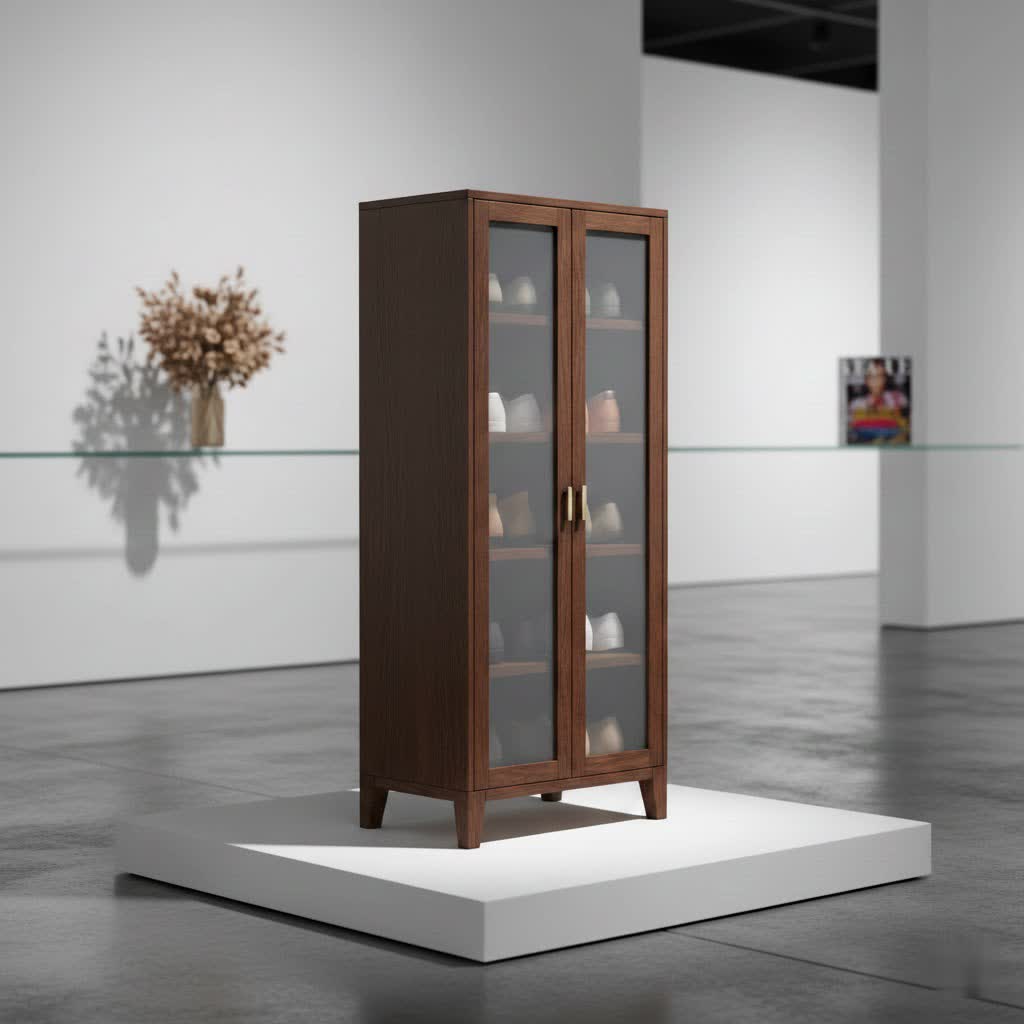
Stepping through your front door should welcome you to a space of calm, not clutter. Yet, for many, the entryway quickly becomes a chaotic dumping ground for shoes, coats, and bags. A modern entryway shoe cabinet offers the perfect solution, blending sleek aesthetics with smart functionality to transform this often-overlooked area into an organized and inviting introduction to your home. It’s not just about tidiness; it’s about making a statement that reflects your style from the moment you walk in.
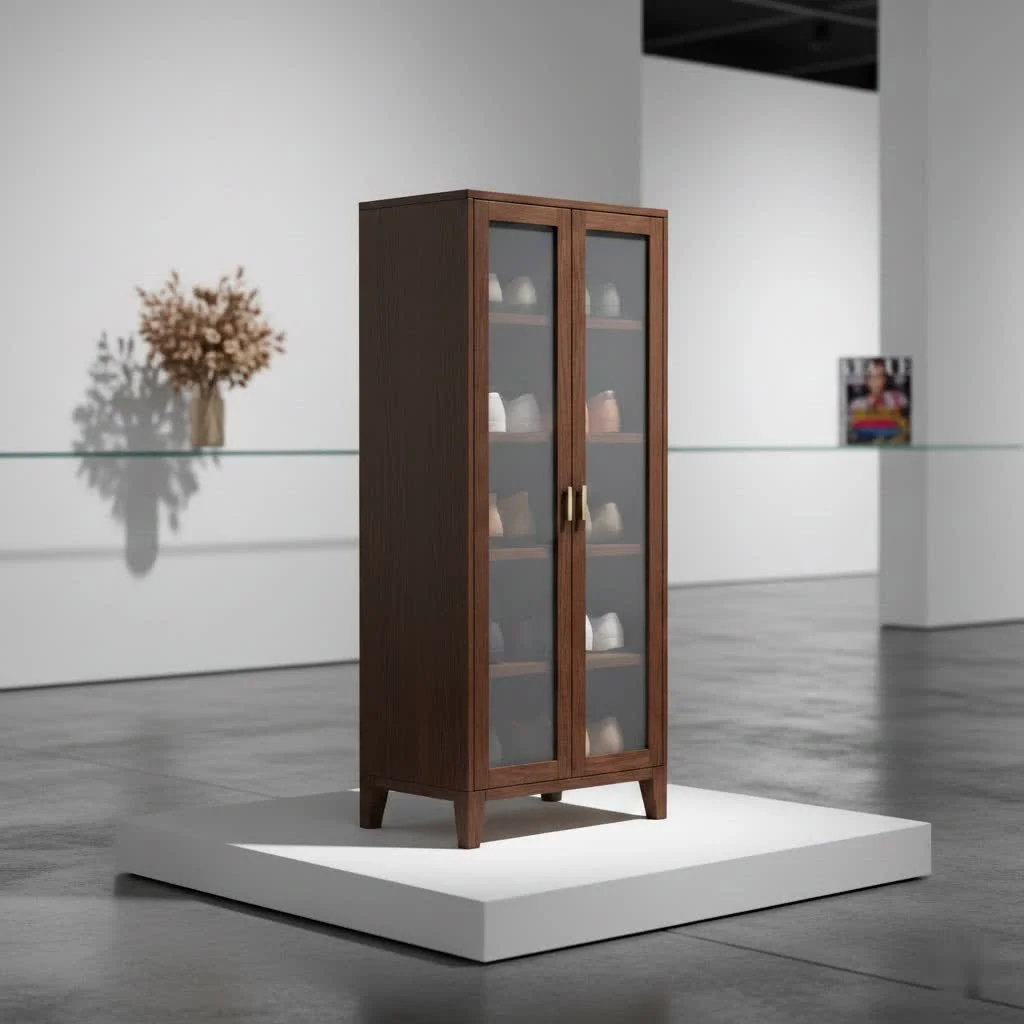
Popular Types of Modern Entryway Shoe Cabinets
Modern shoe cabinets come in various forms, each designed to meet different spatial and stylistic needs. Understanding the distinct types can help you pinpoint the ideal solution for your home.
Slimline and Tipping-Bucket Designs
These cabinets are engineered to be exceptionally narrow, making them perfect for tight hallways and small entryways where every inch counts. They often feature pull-down or “tipping-bucket” compartments that store shoes vertically or at an angle, keeping them neatly out of sight without protruding too far into the living space. Their minimalist profiles ensure clear circulation routes, abiding by residential codes that suggest hallways be at least 36 inches wide.
Shoe Storage Benches
Combining functionality with comfort, shoe storage benches offer a convenient spot to sit down while putting on or taking off shoes. Beneath the seat, they typically feature cubbies, drawers, or lift-top compartments for storing footwear. This dual-purpose design is particularly appealing for families or anyone desiring a more integrated and welcoming entryway experience.
Wall-Mounted Shoe Cabinets
For an ultimate space-saving and visually light solution, wall-mounted shoe cabinets are an excellent choice. By elevating storage off the floor, they create a sense of openness and make cleaning the entryway easier. They seamlessly blend into the wall, offering a clean, minimalist look that emphasizes modern design principles.
Multi-functional Entryway Units
Beyond just shoes, some modern entryway cabinets integrate additional storage features. These units might include coat hooks, overhead shelving, or extra drawers for keys, mail, and accessories. They are designed to be comprehensive entryway solutions, maximizing storage potential in a single, cohesive piece of furniture.
Comparing Entryway Shoe Cabinet Materials
The material of your shoe cabinet significantly influences its aesthetic, durability, and maintenance. Modern designs often favor specific materials for their unique properties.
Wooden Shoe Cabinets
Wooden cabinets, including those made from solid wood, engineered wood (MDF), plywood, or with wood veneers, offer timeless elegance and robust construction. They are versatile, fitting seamlessly into classic, mid-century modern, or contemporary interiors.
- Pros: Natural beauty, sturdy, long-lasting, versatile in style, can be refinished.
- Cons: Can be susceptible to moisture without proper sealing, may require periodic maintenance, generally higher price point.
- Best for: Adding warmth and sophistication, traditional to transitional decors.
Metal Shoe Cabinets
|
Our Picks for the Best Shoe Cabinet in 2026
As an Amazon Associate I earn from qualifying purchases.
|
||
| Num | Product | Action |
|---|---|---|
| 1 | 32" W Farmhouse Shoe Storage Cabinet with 2 Flip Drawers and Barn Door Design, Adjustable Shelves, Modern Hidden Slim Narrow Shoe Rack Cabinet for Entryway, Foyer, Hallway, Living Room, Blue |

|
| 2 | HOOBRO Shoe Cabinet, 5-Tier Shoe Storage Organizer with Doors, Wooden Shoe Cabinet Storage for Entryway, Freestanding Shoe Rack Cabinet with 3 Adjustable Shelves for Hallway, Gold and White DW41SC01 |
|
| 3 | Farmhouse Shoe Cabinet with 2 Barn Doors & Wood Legs, 5-Tier Shoe Storage Cabinet with 3 Adjustable Shelves, Tall Shoe Rack Organizer for Closet, Shoe Organizer for Entryway, Hallway, White |
|
| 4 | HOOBRO Shoe Cabinet, 5-Tier Shoe Storage Organizer with Doors, Wooden Shoe Cabinet Storage for Entryway, Freestanding Shoe Rack Cabinet with 3 Adjustable Shelves for Hallway, Gold and Black DB41SC01 |
|
| 5 | Collapsible Shoe Rack Organizer 9 Tiers-36 Pairs Foldable Shoe Cabinet with Doors, Large Plastic Folding Shoe Cabinet, Easy Assembly Shoe Shelves Organizer for Entryway, Living Room |
|
| 6 | EOYUTLLY Shoe Cabinet for Entryway with 2 Flip Drawers,Narrow Wooden Shoe Storage Cabinet with Metal Legs,Hold 24 Pairs, 4-Tier Adjustable Shelves–Freestanding Hidden Shoe Organizer for Hallway, Foyer |
|
| 7 | 32" W Farmhouse Shoe Storage Cabinet with 2 Flip Drawers and Barn Door Design, Adjustable Shelves, Modern Hidden Slim Narrow Shoe Rack Cabinet for Entryway, Foyer, Hallway, Living Room, BS40A |
|
| 8 | Shoe Cabinet Storage,Modern Freestanding Organizer with 2 Flip Drawers,Narrow Shoe Rack Cabinet for Entryway,Walnut |
|
| 9 | 32" W Farmhouse Shoe Storage Cabinet with 2 Flip Drawers and Barn Door Design, Adjustable Shelves, Modern Hidden Slim Narrow Shoe Rack Cabinet for Entryway, Foyer, Hallway, Living Room, White |
|
| 10 | 32" W Farmhouse Shoe Storage Cabinet with 2 Flip Drawers and Barn Door Design, Adjustable Shelves, Hidden Slim Narrow Shoe Rack Cabinet for Entryway, Foyer, Hallway, Living Room, Rustic Walnut |
|
Metal shoe cabinets, typically crafted from stainless steel, aluminum, or iron, exude a sleek, industrial, or minimalist vibe. They are celebrated for their strength and clean lines.
- Pros: Highly durable, stable, easy to clean, excellent for modern aesthetics.
- Cons: Can feel cold, potentially heavy and difficult to move, may be prone to rust if not properly coated.
- Best for: Industrial, minimalist, and contemporary urban spaces.
Plastic Shoe Cabinets
Plastic options are often chosen for their affordability, lightweight nature, and water resistance. They come in a wide array of colors and are generally low-maintenance.
- Pros: Economical, lightweight, easy to clean, water-resistant, diverse color options.
- Cons: Less durable and aesthetically refined compared to wood or metal, limited load-bearing capacity, potential environmental concerns.
- Best for: Budget-conscious buyers, temporary solutions, or areas prone to moisture.
Guide to Choosing Your Ideal Modern Entryway Shoe Cabinet
Selecting the perfect shoe cabinet involves a thoughtful evaluation of your needs, space, and personal style.
Assess Your Space and Needs
Before falling in love with a design, measure your entryway. Pay close attention to the width of your hallway; for slim corridors, cabinets under 10-12 inches deep are often recommended to maintain comfortable passage. Consider the number and types of shoes you need to store—do you have many boots, or mostly flats and sneakers? This will dictate the required capacity and internal configuration of the cabinet. Also, visualize the overall flow and style of your home’s interior to ensure the cabinet integrates harmoniously.
Match Your Aesthetic
Modern entryway shoe cabinets come in various styles. For a minimalist look, opt for clean lines, a monochromatic palette, and handle-less designs. Mid-century modern designs might feature tapered legs and warm wood tones. Industrial styles could lean towards metal frames and raw finishes. Choose a cabinet that complements your existing decor to create a cohesive and welcoming ambiance.
Prioritize Functionality and Features
Beyond basic storage, consider features that enhance usability. A shoe cabinet with integrated seating offers convenience, while adjustable shelves accommodate different shoe heights, including boots. Look for features like soft-close hinges for a touch of luxury and quiet operation, or wall-anchoring hardware for safety, especially in homes with children. Some modern units also offer ventilation to prevent odors.
Consider Durability and Maintenance
The material choice directly impacts how long your cabinet will last and how much effort it will require to maintain. Solid wood and metal are known for their longevity, while engineered wood or melamine offer good durability at a more accessible price point. Think about your lifestyle: if you have muddy boots frequently, a water-resistant and easy-to-clean material like metal or certain plastics might be more practical.
Set a Realistic Budget
Modern entryway shoe cabinets range widely in price depending on material, brand, size, and features. Determine what you are willing to invest. that a higher price often correlates with superior materials, craftsmanship, and enhanced durability.
Trending Modern Shoe Cabinet Designs
Today’s homeowners seek designs that are not only practical but also elevate their living spaces.
Integrated and Built-in Aesthetics
Many modern designs aim for a seamless, almost invisible look. This can be achieved through custom built-ins that blend with existing architecture or by selecting modular cabinets that can be configured to appear as a single, integrated piece. Color-matching the cabinet to your wall color can also make it visually recede, creating a clean backdrop.
Hidden Storage Solutions
The beauty of modern design often lies in its ability to conceal clutter. Cabinets with closed doors, tilting drawers, or even mirrored fronts effectively hide shoes, maintaining a tidy and streamlined entryway. This approach is invaluable for busy households that want to minimize visual noise.
Smart and Innovative Features
As technology advances, some shoe cabinets are beginning to incorporate smart features, although still emerging. More commonly, “smart” refers to clever design elements such as magnetic closures, whisper-quiet mechanisms, or even specialized compartments for specific footwear types. The focus remains on intuitive design that simplifies daily routines.
“A well-chosen shoe cabinet is more than just storage; it’s a foundational element for a harmonious entryway, setting the tone for your entire home.”
Conclusion
A modern entryway shoe cabinet is an indispensable piece of furniture for anyone looking to bring order, style, and efficiency to their home’s entrance. By thoughtfully considering the various types, materials, and features available, you can select a cabinet that not only solves your shoe storage dilemmas but also enhances your home’s overall aesthetic. From sleek, space-saving designs for narrow hallways to multi-functional benches that offer both storage and seating, the right choice can improve your entryway from a cluttered catch-all into a welcoming and organized space.
Are you ready to redefine your entryway with a stylish and functional modern shoe cabinet?
Frequently Asked Questions
What material is best for a shoe cabinet in an apartment?
For apartments, engineered wood (MDF) or melamine are often ideal due to their balance of affordability, durability, and diverse modern finishes. They are generally lighter than solid wood, making them easier to move, and many offer slim profiles suitable for smaller spaces. Metal can also be an excellent choice for a contemporary, space-efficient look.
How deep should an entryway shoe cabinet be for a narrow hallway?
For narrow hallways, it is recommended to choose a shoe cabinet that is under 10-12 inches (approximately 25-30 cm) deep. This ensures enough clearance to maintain a comfortable walkway, adhering to residential codes and preventing the space from feeling cramped. Slimline or tipping-bucket designs are especially suited for such dimensions.
Should entryway shoe storage be open or closed?
The choice between open and closed storage depends on your preference and lifestyle. Closed storage, with doors or drawers, keeps shoes out of sight, promoting a tidy and clutter-free look. It also protects shoes from dust. Open storage, like shelves or cubbies, offers easy access and promotes air circulation, but requires more consistent tidiness to avoid a messy appearance. Many modern designs offer a blend of both, with hidden compartments for daily shoes and perhaps a small open shelf for decorative items.
Get our weekly buyer guide
Practical specs, not advice. Unsubscribe anytime.
