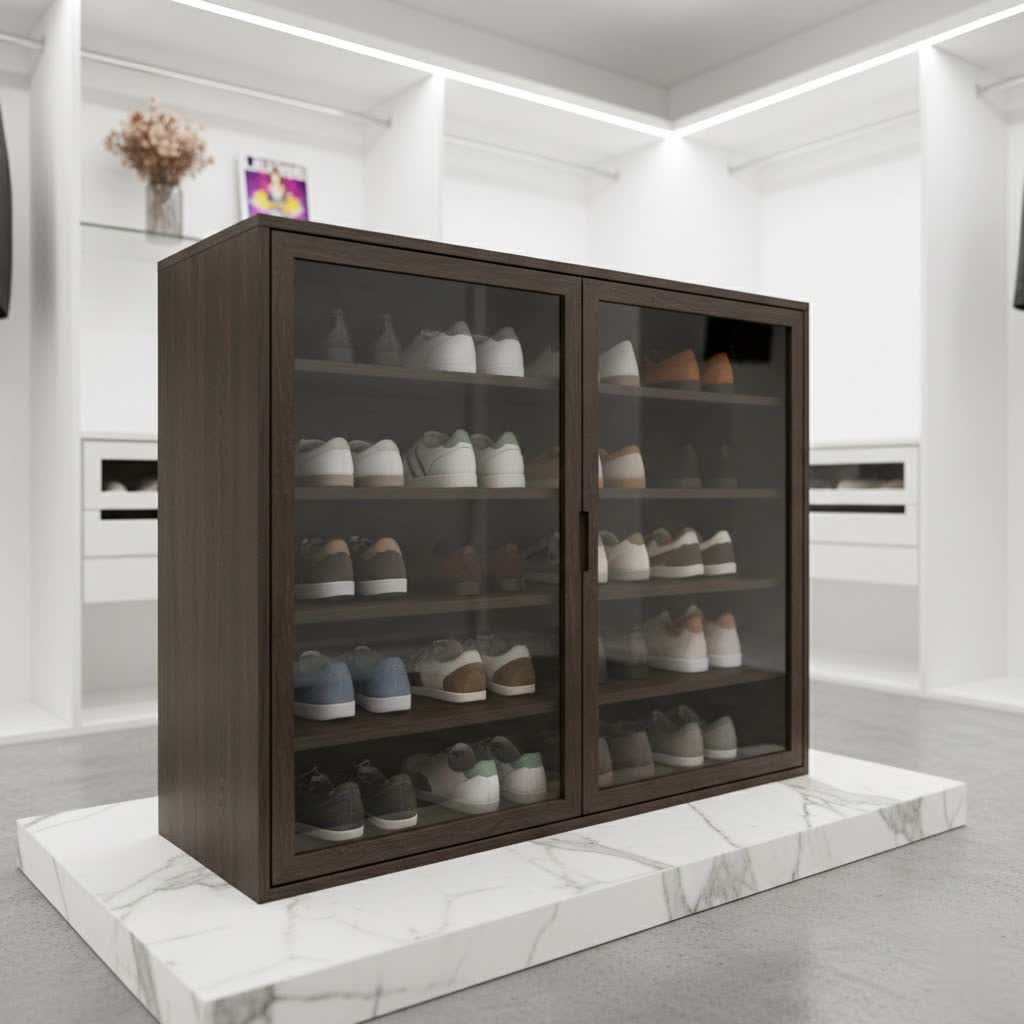
Stepping into a home free of shoe clutter immediately sets a serene tone. An entryway shoe storage cabinet is more than just a piece of furniture; it’s a statement of organization, style, and a welcoming atmosphere. As someone with over a decade of experience in interior design, especially with shoe storage solutions, I understand the evolving market and consumer needs. This guide, drawing on practical experience and in-depth knowledge, aims to provide you with invaluable insights and honest advice to make an informed decision for your home.
Popular Types of Entryway Shoe Cabinets
Choosing the right shoe cabinet begins with understanding the variety available and how each type suits different needs and aesthetics. From classic materials to modern designs, each offers unique benefits and considerations for your entryway. For browse all shoe storage articles on this site.
Wooden Shoe Cabinets
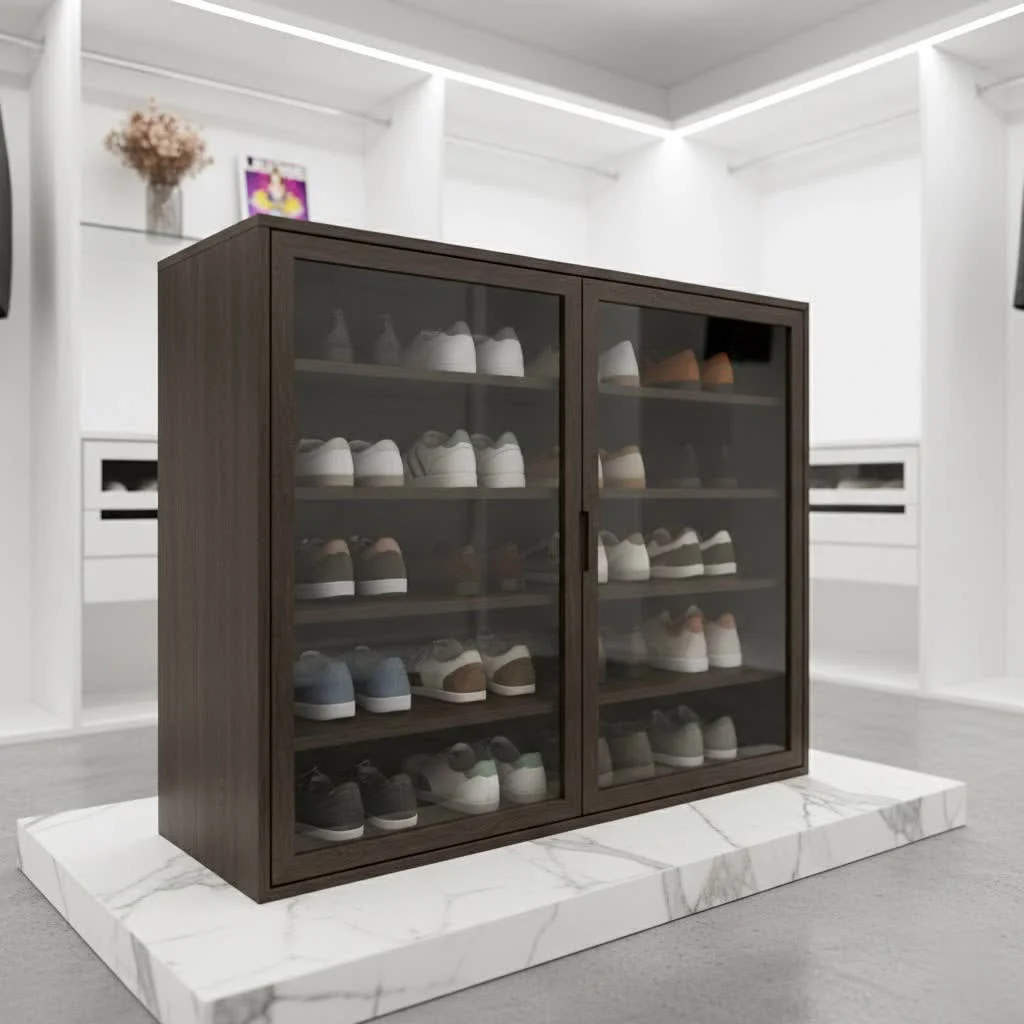
Wooden shoe cabinets are often favored for their timeless elegance and robust construction. They bring a natural warmth to any entryway, making them a popular choice for many homeowners.
- Pros: Wood offers a sophisticated, classic aesthetic and exceptional durability when properly cared for. The variety in wood types and finishes allows for diverse designs, from rustic to highly polished modern pieces.
- Cons: These cabinets can be on the higher end of the price spectrum. Without proper treatment, wood can be susceptible to moisture damage and pests like termites, requiring diligent maintenance.
- Best Suited For: Homes with traditional or transitional interior designs, where a sense of grandeur and lasting quality is desired.
Plastic Shoe Cabinets
Plastic shoe cabinets present a practical and budget-friendly alternative, particularly in environments where moisture or frequent cleaning is a concern. Their lightweight nature makes them versatile.
- Pros: Significantly more affordable than wood or metal, plastic cabinets are waterproof and incredibly easy to clean. Their light weight also makes them simple to move or reconfigure as needed.
- Cons: Generally, plastic options lack the durability and sophisticated aesthetic of other materials, often coming in more limited designs. They may not withstand heavy use or weight over long periods.
- Best Suited For: Smaller, more casual entryways, temporary living situations, or areas prone to dampness like mudrooms, where practicality outweighs high-end design.
Metal Shoe Cabinets
Metal shoe cabinets bring a sleek, contemporary edge to entryways, often fitting seamlessly into modern or industrial-inspired decor themes. Their inherent strength provides long-lasting service.
- Pros: Known for their exceptional sturdiness and longevity, metal cabinets can endure significant wear and tear. They often feature minimalist designs that enhance modern spaces.
- Cons: Without a high-quality powder-coated finish, metal can be prone to rust, especially in humid climates. Some designs might feel too industrial for warmer, more traditional home aesthetics.
- Best Suited For: Contemporary, industrial, or minimalist interiors that benefit from clean lines and durable, functional furniture.
Comparing Entryway Shoe Storage Cabinet Types
To help you visualize the differences, here’s a comparative overview of the common shoe cabinet materials based on key criteria:
| Criterion | Wooden Shoe Cabinets | Plastic Shoe Cabinets | Metal Shoe Cabinets |
|---|---|---|---|
| Price | High | Low | Medium |
| Durability | High | Low | High |
| Water Resistance | Poor | Excellent | Medium (if coated) |
| Design Variety | High | Low | Medium |
| Style Compatibility | Classic, Transitional | Modern, Casual, Utility | Industrial, Modern, Minimalist |
Guide to Choosing Your Entryway Shoe Storage Cabinet
Selecting the perfect entryway shoe storage cabinet involves more than just picking a favorite design. It requires a thoughtful assessment of your lifestyle, space, and aesthetic preferences to ensure it meets both practical needs and enhances your home’s appeal.
Determine Your Usage Needs
|
Our Picks for the Best Shoe Cabinet in 2026
As an Amazon Associate I earn from qualifying purchases.
|
||
| Num | Product | Action |
|---|---|---|
| 1 | 32" W Farmhouse Shoe Storage Cabinet with 2 Flip Drawers and Barn Door Design, Adjustable Shelves, Modern Hidden Slim Narrow Shoe Rack Cabinet for Entryway, Foyer, Hallway, Living Room, White |

|
| 2 | Shoe Cabinet Storage,Modern Freestanding Organizer with 2 Flip Drawers,Narrow Shoe Rack Cabinet for Entryway,Walnut |
|
| 3 | 32" W Farmhouse Shoe Storage Cabinet with 2 Flip Drawers and Barn Door Design, Adjustable Shelves, Modern Hidden Slim Narrow Shoe Rack Cabinet for Entryway, Foyer, Hallway, Living Room, BS40A |
|
| 4 | 32" W Farmhouse Shoe Storage Cabinet with 2 Flip Drawers and Barn Door Design, Adjustable Shelves, Hidden Slim Narrow Shoe Rack Cabinet for Entryway, Foyer, Hallway, Living Room, Rustic Walnut |
|
| 5 | EOYUTLLY Shoe Cabinet for Entryway with 2 Flip Drawers,Narrow Wooden Shoe Storage Cabinet with Metal Legs,Hold 24 Pairs, 4-Tier Adjustable Shelves–Freestanding Hidden Shoe Organizer for Hallway, Foyer |
|
| 6 | HOOBRO Shoe Cabinet, 5-Tier Shoe Storage Organizer with Doors, Wooden Shoe Cabinet Storage for Entryway, Freestanding Shoe Rack Cabinet with 3 Adjustable Shelves for Hallway, Gold and White DW41SC01 |
|
| 7 | HOOBRO Shoe Cabinet, 5-Tier Shoe Storage Organizer with Doors, Wooden Shoe Cabinet Storage for Entryway, Freestanding Shoe Rack Cabinet with 3 Adjustable Shelves for Hallway, Gold and Black DB41SC01 |
|
| 8 | Collapsible Shoe Rack Organizer 9 Tiers-36 Pairs Foldable Shoe Cabinet with Doors, Large Plastic Folding Shoe Cabinet, Easy Assembly Shoe Shelves Organizer for Entryway, Living Room |
|
| 9 | 32" W Farmhouse Shoe Storage Cabinet with 2 Flip Drawers and Barn Door Design, Adjustable Shelves, Modern Hidden Slim Narrow Shoe Rack Cabinet for Entryway, Foyer, Hallway, Living Room, Blue |
|
| 10 | Farmhouse Shoe Cabinet with 2 Barn Doors & Wood Legs, 5-Tier Shoe Storage Cabinet with 3 Adjustable Shelves, Tall Shoe Rack Organizer for Closet, Shoe Organizer for Entryway, Hallway, White |
|
Before anything else, consider what you need your shoe cabinet to do. Start by counting the number of shoes you frequently use and need to store in your entryway. For families, estimate about 5-7 pairs per person to accommodate daily footwear. Also, consider the types of shoes you own; boots and high heels require more depth and height than flats or sneakers. Measure the exact dimensions of your available entryway space—width, depth, and height. Standard shoe cabinets typically range from 10 to 15 inches deep, with deeper options better for bulkier boots. to account for walking space, ensuring the cabinet doesn’t obstruct traffic. Finally, observe your existing interior design style. Is it modern, traditional, minimalist, or eclectic? Your shoe cabinet should integrate seamlessly into this overall aesthetic.
Select the Right Material
The material of your shoe cabinet significantly impacts its durability, appearance, and maintenance requirements. Wooden cabinets (solid or engineered wood) offer a classic, elegant look and are highly durable, fitting well with traditional or sophisticated décors. However, they may be prone to moisture and pests if not properly treated. Plastic cabinets are budget-friendly, waterproof, and easy to clean, making them ideal for high-traffic or damp areas, though they may lack the aesthetic appeal and longevity of other materials. Metal cabinets provide a sturdy, modern, and minimalist aesthetic, but look for options with good powder-coating to prevent rust. Consider factors like resistance to water, potential for pest issues, and ease of cleaning based on your local environment and household activity.
Consider Style and Size
The style and size of your entryway shoe storage cabinet should complement your space and meet your storage capacity. Choose a design that harmonizes with your home’s decor, whether it’s a sleek, contemporary unit or a more ornate, traditional piece. that a long shoe cabinet might be ideal for extensive shoe collections. For narrow entryways, slimline cabinets that pull down rather than outward are excellent space-savers. functional features like adjustable shelves, which allow you to customize compartments for various shoe sizes, including boots. Some cabinets also come with integrated seating, hooks, or mirrors, adding valuable functionality to your entryway. “A good shoe cabinet is not just a place to store shoes, but also an important part of creating a tidy and aesthetic living space.”
Evaluate Price and Brand
Investing in a quality entryway shoe storage cabinet is a long-term decision that pays off in durability and continued aesthetic appeal. While budget is always a factor, opting for reputable brands often ensures better craftsmanship, materials, and customer support. Research and compare prices from various retailers, looking for value that balances cost with quality. Read customer reviews for insights into product longevity and assembly experiences. a slightly higher initial investment in a well-made cabinet can save you from frequent replacements and dissatisfaction down the line.
Most Popular Entryway Shoe Storage Cabinet Models Today
The market is constantly evolving with innovative solutions designed to cater to diverse needs and preferences. Today’s popular shoe cabinets combine smart features with stylish designs to maximize both functionality and aesthetic appeal in your entryway.
Smart Shoe Cabinets
Modern smart shoe cabinets are designed with innovation in mind, often featuring integrated lighting, ventilation systems, or automated functions that enhance user convenience. These cabinets typically boast sleek, minimalist designs that contribute to a contemporary aesthetic. Many smart designs prioritize space-saving, offering compact footprints while maximizing internal storage through clever configurations. They can be a significant upgrade for those looking to infuse technology and high efficiency into their home organization.
Wall-Mounted Shoe Cabinets
Ideal for smaller or narrower entryways, wall-mounted shoe cabinets free up valuable floor space, creating an illusion of greater roominess. These units vary from slim, tilt-out designs that neatly conceal footwear to modular systems that can be customized to fit unique wall dimensions. By keeping the floor clear, they simplify cleaning and contribute to a cleaner, more open aesthetic. They are particularly favored in urban apartments or compact homes where every inch counts.
Multi-functional Shoe Cabinets
Multi-functional cabinets go beyond simple shoe storage, offering integrated features like bench seating, coat hooks, or drawers for accessories such as keys and umbrellas. Some designs even include built-in mirrors, adding practicality and helping to visually expand the entryway. These versatile pieces are excellent for optimizing space, providing several utilities in one compact unit, thereby reducing the need for multiple furniture items. They are perfect for busy households that require efficient, all-in-one solutions for their entryway needs.
Conclusion
Choosing the ideal entryway shoe storage cabinet is a thoughtful process, blending practical needs with personal style. By considering factors like material durability, space-saving designs, and multi-functional features, you can find a cabinet that not only keeps your footwear organized but also enhances the overall aesthetic of your home. A well-selected cabinet contributes to a welcoming and clutter-free entryway, leaving a lasting impression on anyone who steps through your door. What unique features are you looking for in your next entryway shoe cabinet?
Frequently Asked Questions
What material is best for an entryway shoe cabinet?
The best material depends on your specific needs. Wood offers durability and a classic look, metal provides modern aesthetics and strength, while plastic is cost-effective and water-resistant. Consider your home’s style, humidity levels, and budget to make the optimal choice.
How do I choose the right size for a shoe cabinet in a small entryway?
For a small entryway, prioritize slimline or wall-mounted cabinets to save floor space. Measure the available width and depth carefully, aiming for cabinets no deeper than 10-12 inches to avoid obstructing traffic. Also, consider vertical storage to maximize capacity without encroaching on your walking area.
Get our weekly buyer guide
Practical specs, not advice. Unsubscribe anytime.

I’ve been looking for a solution to our shoe problem for ages, and the details on different types of entryway shoe cabinets were exactly what I needed. I chose a cabinet that also has a small drawer for keys and mail, which is a game-changer. It’s amazing how much calmer our home feels without shoes everywhere.
I was really struggling with shoe clutter right by our front door, and this guide helped me finally pick out a great wooden shoe cabinet. It looks so much better than the pile of shoes we used to have! It was easy to assemble and really elevated the look of our entryway. Definitely recommend investing in one of these.
This was super helpful in narrowing down my options. I ended up going with a cabinet in the mid-range price point, and I’m really happy with the quality for what I paid. It fits about 8 pairs of shoes comfortably, which is perfect for our family. Our entryway feels so much more organized now.
I got one of the more modern designs mentioned, and while it looks sleek, I wish it had a bit more ventilation. Some of my shoes still feel a little stuffy in there. It’s a good size for our small apartment entryway, but that’s my one minor complaint. Otherwise, it does the job of keeping shoes out of sight.