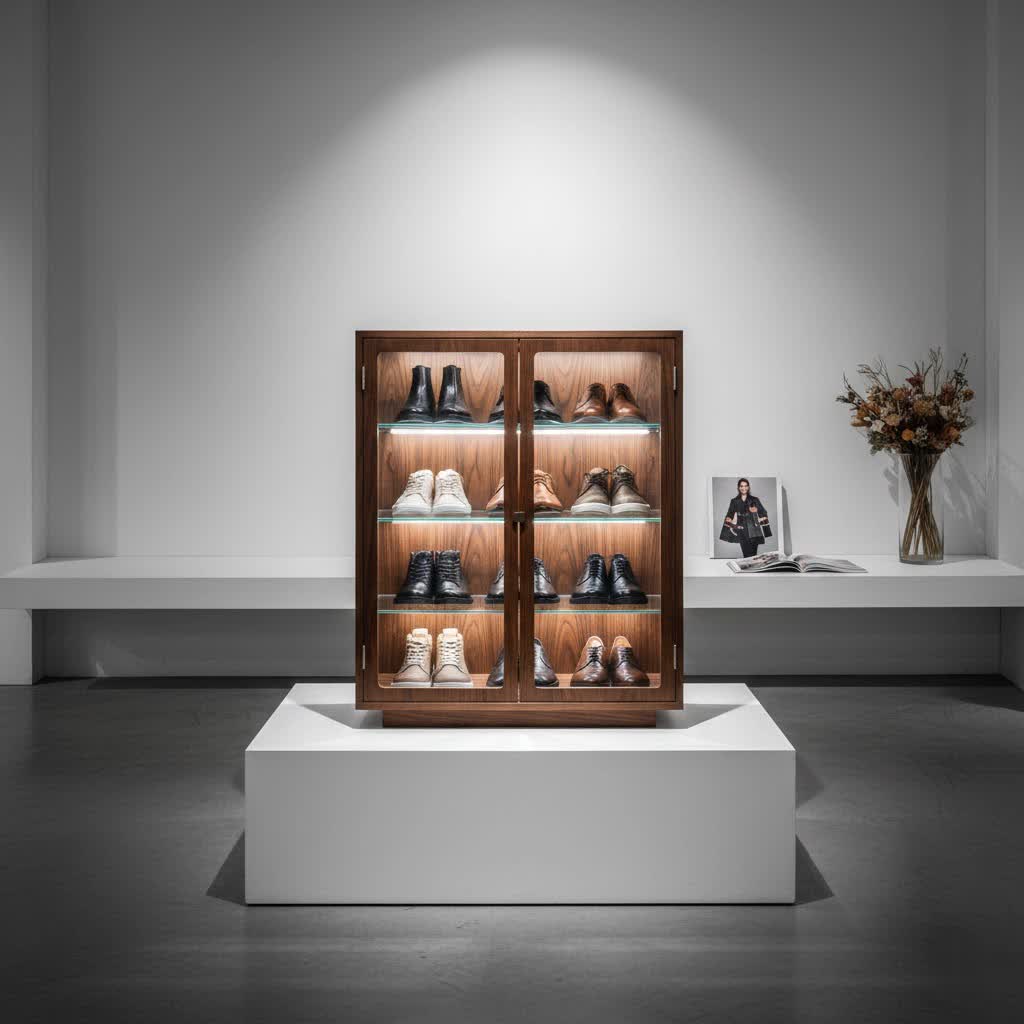
For many, a shoe collection is more than just footwear; it’s an extension of personal style and a necessary part of daily life. However, managing this collection, especially in busy entryways or compact living spaces, can quickly lead to clutter. A shoe storage cabinet with doors offers an elegant and practical solution, transforming disarray into organized sophistication. This comprehensive guide, informed by years of experience in interior design and furniture trends, will walk you through everything you need to know to select the perfect shoe cabinet that not only keeps your footwear neatly tucked away but also complements your home’s aesthetic.
Why Opt for a Shoe Storage Cabinet with Doors?
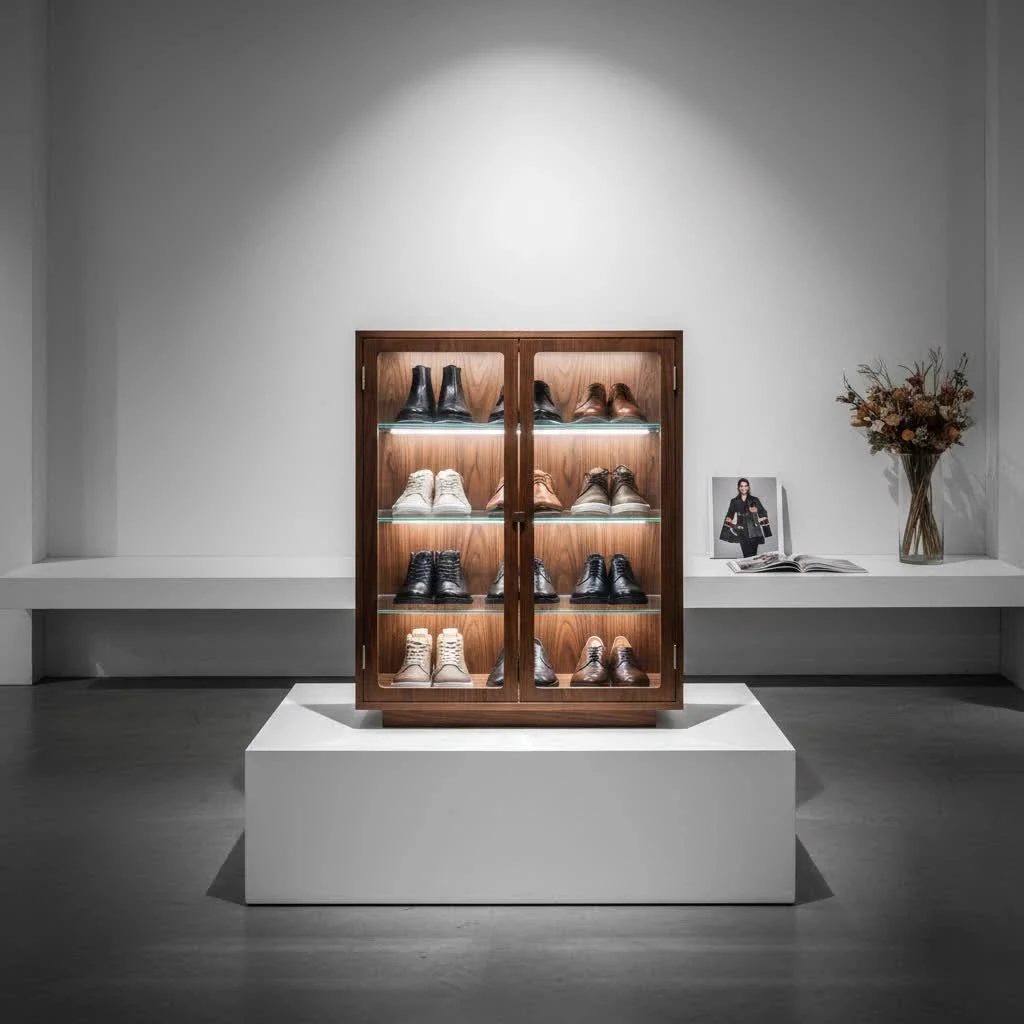
The primary appeal of a shoe storage cabinet with doors lies in its ability to conceal clutter, instantly tidying up any room. Unlike open racks, these cabinets shield your shoes from dust, dirt, and direct sunlight, which can prolong their lifespan and keep them looking pristine. Furthermore, they contribute significantly to the overall decor of your home. Available in a vast array of materials, styles, and finishes, a well-chosen cabinet can enhance your entryway, hallway, or bedroom, serving as both a functional item and a stylish piece of furniture. It’s about creating a calm, inviting atmosphere where every item has its place, ensuring your home feels harmonious and welcoming. For see our shoe storage recommendations on this site.
Exploring Popular Shoe Cabinet Materials
The material of your shoe storage cabinet significantly influences its durability, style, and overall cost. Understanding the characteristics of each can help you make an informed decision that aligns with your needs and aesthetic preferences.
Wooden Shoe Cabinets
- Advantages: Wood, in its various forms (solid wood, engineered wood, MDF with veneer), is a timeless choice renowned for its durability and classic appeal. Solid wood offers superior longevity and a premium finish, often becoming a cherished piece of furniture. Engineered wood and MDF (Medium-Density Fiberboard) are more budget-friendly alternatives that can mimic the look of solid wood through veneers or laminates. Wooden cabinets are versatile, complementing traditional, rustic, Scandinavian, or modern interiors. They also provide excellent protection against moisture and temperature fluctuations, crucial for preserving delicate footwear.
- Disadvantages: Solid wood cabinets can be expensive and heavy. While treated woods resist pests, improper care can lead to issues like warping or termite damage. Engineered wood and MDF, while more affordable, may not have the same heirloom quality as solid wood and can be susceptible to moisture damage if not properly sealed.
- Best Suited For: Homes seeking a classic or refined aesthetic, those prioritizing long-term durability, and environments where shoes require protection from ambient conditions.
Metal Shoe Cabinets
|
Our Picks for the Best Shoe Cabinet in 2026
As an Amazon Associate I earn from qualifying purchases.
|
||
| Num | Product | Action |
|---|---|---|
| 1 | 32" W Farmhouse Shoe Storage Cabinet with 2 Flip Drawers and Barn Door Design, Adjustable Shelves, Modern Hidden Slim Narrow Shoe Rack Cabinet for Entryway, Foyer, Hallway, Living Room, White |

|
| 2 | Farmhouse Shoe Cabinet with 2 Barn Doors & Wood Legs, 5-Tier Shoe Storage Cabinet with 3 Adjustable Shelves, Tall Shoe Rack Organizer for Closet, Shoe Organizer for Entryway, Hallway, White |
|
| 3 | 32" W Farmhouse Shoe Storage Cabinet with 2 Flip Drawers and Barn Door Design, Adjustable Shelves, Modern Hidden Slim Narrow Shoe Rack Cabinet for Entryway, Foyer, Hallway, Living Room, BS40A |
|
| 4 | 32" W Farmhouse Shoe Storage Cabinet with 2 Flip Drawers and Barn Door Design, Adjustable Shelves, Modern Hidden Slim Narrow Shoe Rack Cabinet for Entryway, Foyer, Hallway, Living Room, Blue |
|
| 5 | EOYUTLLY Shoe Cabinet for Entryway with 2 Flip Drawers,Narrow Wooden Shoe Storage Cabinet with Metal Legs,Hold 24 Pairs, 4-Tier Adjustable Shelves–Freestanding Hidden Shoe Organizer for Hallway, Foyer |
|
| 6 | HOOBRO Shoe Cabinet, 5-Tier Shoe Storage Organizer with Doors, Wooden Shoe Cabinet Storage for Entryway, Freestanding Shoe Rack Cabinet with 3 Adjustable Shelves for Hallway, Gold and Black DB41SC01 |
|
| 7 | Shoe Cabinet Storage,Modern Freestanding Organizer with 2 Flip Drawers,Narrow Shoe Rack Cabinet for Entryway,Walnut |
|
| 8 | Collapsible Shoe Rack Organizer 9 Tiers-36 Pairs Foldable Shoe Cabinet with Doors, Large Plastic Folding Shoe Cabinet, Easy Assembly Shoe Shelves Organizer for Entryway, Living Room |
|
| 9 | HOOBRO Shoe Cabinet, 5-Tier Shoe Storage Organizer with Doors, Wooden Shoe Cabinet Storage for Entryway, Freestanding Shoe Rack Cabinet with 3 Adjustable Shelves for Hallway, Gold and White DW41SC01 |
|
| 10 | 32" W Farmhouse Shoe Storage Cabinet with 2 Flip Drawers and Barn Door Design, Adjustable Shelves, Hidden Slim Narrow Shoe Rack Cabinet for Entryway, Foyer, Hallway, Living Room, Rustic Walnut |
|
- Advantages: Metal shoe cabinets offer a sleek, modern, or industrial aesthetic. They are exceptionally durable and often feature slender profiles, making them suitable for contemporary spaces. Metal designs can also incorporate perforated or mesh doors, which naturally enhance ventilation, a key factor for preventing odors.
- Disadvantages: Metal can be prone to rust if not properly coated (e.g., with powder coating or paint), especially in humid environments. It might also show fingerprints more readily and can be heavier than some engineered wood options. The style might not blend seamlessly with very traditional or rustic decor.
- Best Suited For: Modern, industrial, or minimalist interiors, and spaces where durability and airflow are top priorities.
Plastic Shoe Cabinets
- Advantages: Plastic shoe cabinets are typically the most affordable and lightweight option. They are water-resistant and easy to clean, making them practical for areas prone to moisture or for temporary storage. Many plastic models feature clever flip-down designs that optimize space.
- Disadvantages: Generally, plastic lacks the aesthetic appeal and robustness of wood or metal. It can look less sophisticated and may not offer the same level of stability or longevity. Over time, plastic can become brittle or discolored.
- Best Suited For: Budget-conscious buyers, utilitarian spaces like laundry rooms or garages, and temporary storage solutions. Transparent plastic boxes are popular for maximizing visibility within walk-in closets.
Rattan and Bamboo Shoe Cabinets
- Advantages: Rattan and bamboo cabinets are celebrated for their eco-friendliness, lightweight construction, and natural, textured appeal. They bring a warm, organic feel to a space, fitting perfectly with Boho, farmhouse, or coastal decor styles. The woven nature of rattan can also provide subtle ventilation.
- Disadvantages: These materials might not offer the same heavy-duty durability as solid wood or metal. They can be susceptible to damage from excessive moisture or extreme dryness, potentially leading to cracking or mildew. Price points can vary widely.
- Best Suited For: Homes aiming for a natural, relaxed, or artisanal aesthetic, and those prioritizing sustainable material choices.
Comparison: Shoe Cabinet Materials at a Glance
| Criterion | Wooden Shoe Cabinets | Metal Shoe Cabinets | Plastic Shoe Cabinets | Rattan/Bamboo Shoe Cabinets |
|---|---|---|---|---|
| Price Range | High (Solid Wood), Medium (Engineered/MDF) | Medium to High | Low | Medium to High |
| Durability | High (Solid Wood), Medium (Engineered/MDF) | High | Low to Medium | Medium |
| Water Resistance | Low (untreated), Medium (treated/engineered) | High (coated), Low (uncoated) | High | Low |
| Style Compatibility | Traditional, Rustic, Modern, Scandinavian, Farmhouse | Modern, Industrial, Minimalist | Utilitarian, Casual | Boho, Farmhouse, Coastal, Natural |
| Ventilation | Variable (depends on door design: solid, louvered, slatted) | Often good (mesh, perforated designs) | Variable (depends on door design) | Moderate (woven texture allows some airflow) |
Essential Factors When Choosing Your Shoe Cabinet (Buying Guide)
Selecting the right shoe cabinet requires thoughtful consideration of your specific needs, available space, and personal style.
1. Determine Your Storage Needs
Start by taking inventory of your shoe collection. How many pairs do you own? Do you primarily wear flats, sneakers, heels, or boots?
- Capacity: Cabinets vary widely in how many pairs they can hold. Look for specifications on pair capacity. Some units feature adjustable shelves, which are invaluable for accommodating different shoe heights, from ankle boots to tall heels.
- Shoe Types: If you have many boots, ensure the cabinet has taller compartments or adjustable shelves that can be removed. Flip-down compartments are excellent for optimizing space for many pairs of flats or sneakers.
2. Measure Your Space
Before falling in love with a cabinet, measure the area where it will reside.
- Dimensions: Note the width, depth, and height. For narrow hallways, a slim or shallow cabinet with flip-down doors is ideal to prevent obstructing the walkway. Tall, narrow cabinets maximize vertical space, while wider units suit larger entryways or dedicated mudrooms.
- Door Clearance: Ensure there’s enough room for cabinet doors to open fully without hitting walls, other furniture, or architectural features like skirting boards or electrical outlets.
3. Consider Material and Durability
As discussed, the material impacts both aesthetics and longevity.
- Longevity: For high-traffic areas or long-term investment, solid wood or well-constructed metal are excellent choices.
- Maintenance: Plastic and melamine are easiest to clean. Wooden cabinets might require specific cleaning products.
- Environment: In humid climates, opt for materials with good moisture resistance or proper ventilation to prevent mildew and damage.
4. Style and Design Compatibility
Your shoe cabinet should blend seamlessly with your existing home decor.
- Aesthetic Harmony: Choose a design that complements your interior style, whether it’s modern, traditional, minimalist, industrial, or rustic.
- Finishes: High-gloss finishes suit contemporary homes, while natural wood tones are perfect for Scandinavian or farmhouse styles. Mirrored doors can add a touch of luxury and make a space feel larger. Fluted or rattan doors are popular for adding texture and character.
5. Ventilation and Odor Control
Good airflow is critical to prevent unpleasant odors from accumulating inside the cabinet.
- Ventilated Doors: Look for features like slatted doors, louvered panels, or mesh inserts that allow air to circulate. Some cabinets even include built-in ventilation holes.
- Maintenance: Regardless of the design, regularly airing out your cabinet and ensuring shoes are clean and dry before storage will help maintain freshness.
6. Door Types and Accessibility
The type of door mechanism can greatly impact the cabinet’s functionality and space efficiency.
- Hinged Doors: The most traditional type, offering full access to shelves. Requires adequate space in front to open.
- Sliding Doors: Ideal for tight spaces as they don’t swing outwards. Access is typically limited to one side at a time.
- Flip-Down/Tilt-Out Doors: Excellent for narrow entryways. These compartments tilt forward, often holding shoes vertically to save space. They can be very efficient for a high volume of shoes, though deep-seated boots may not fit easily.
7. Additional Features
Many shoe cabinets offer extra functionalities that enhance convenience and versatility.
- Bench Seating: Cabinets with an integrated bench provide a comfortable spot to sit while putting on or taking off shoes, perfect for entryways.
- Drawers and Shelves: Extra drawers are useful for storing small items like keys, socks, shoe polish, or other entryway essentials. Open shelving on top can display decorative items or hold frequently used accessories.
- Mirrors: Some cabinets incorporate a full-length or partial mirror, adding functionality and making your space feel larger and brighter.
- Wall-Mounted or Stackable: For extremely limited floor space, consider wall-mounted units or stackable modules that grow with your collection.
Popular Shoe Cabinet Designs for Modern Homes
The market offers a diverse range of shoe cabinet designs, each catering to different spatial requirements and aesthetic preferences.
1. Slim/Narrow Cabinets
Perfect for tight entryways or hallways, these cabinets boast a minimal depth. They often utilize flip-down or tilt-out compartments to maximize shoe capacity while maintaining a sleek, unobtrusive profile. Many models come with a slim console top, ideal for keys or a small decorative item.
2. Flip-Down/Tilt-Out Cabinets
These cabinets are a marvel of space-saving design. Instead of traditional shelves, they feature compartments that tilt forward, allowing shoes to be stored vertically. This design keeps the cabinet’s footprint exceptionally small, making it a go-to for compact living.
3. Multi-functional Cabinets
Beyond just shoe storage, these cabinets integrate other useful features.
- With Seating: Combining a shoe cabinet with a bench creates a practical and welcoming entryway hub.
- With Drawers/Open Shelves: Many designs include a top drawer for accessories or open shelves for display, adding versatility.
- Integrated Mirrors: Some cabinets feature a mirror on the door, providing a last-minute check before heading out and making the hallway feel more expansive.
4. Aesthetic Trend Designs
Current trends favor cabinets that are both functional and visually appealing.
- Rattan or Fluted Doors: These designs add texture and a touch of organic warmth, fitting beautifully into contemporary or bohemian interiors. They also often provide subtle ventilation.
- Minimalist High-Gloss: For sleek, modern homes, cabinets with clean lines and a high-gloss finish maintain a sophisticated and uncluttered look.
“A well-designed shoe cabinet is more than just furniture; it’s an investment in a more organized, serene, and stylish home environment. It allows you to protect your valuable footwear while maintaining a pristine living space.” – Eleanor Vance, Interior Design Specialist
Conclusion
Choosing the right shoe storage cabinet with doors is a blend of practical considerations and personal style. By assessing your storage needs, carefully measuring your space, and considering the various materials, door types, and additional features available, you can find a cabinet that not only keeps your footwear impeccably organized but also elevates your home’s aesthetic. A thoughtful choice ensures your shoes are protected, your entryway remains inviting, and your living space reflects a sense of calm and order. Invest in a solution that combines functionality with beauty, and enjoy the lasting benefits of a clutter-free home.
Frequently Asked Questions
Which shoe cabinet material is best for high humidity areas?
For high humidity areas, materials like metal with a good rust-resistant coating or water-resistant plastics are generally recommended. If you prefer wood, choose engineered wood or MDF with moisture-resistant finishes, and ensure the cabinet has adequate ventilation, such as louvered or slatted doors, to prevent mold and mildew. Regular cleaning and airing out will also be crucial.
Get our weekly buyer guide
Practical specs, not advice. Unsubscribe anytime.
